
A love of animals was a well-known trait of the members of Russia’s last imperial family. They had many dogs and cats, several of which remained by their side during their exile in the Urals.
Dogs and cats at court
The three dogs that accompanied the Romanovs during their exile were Ortipo, a French Bulldog belonging to Tatiana; Jimmy, Anastasia’s Cavalier King Charles Spaniel; and Joy, Alexis’s English Cocker Spaniel.
Ortipo had been given to Tatiana in 1914 by an officer recovering in a hospital that the Grand Duchess used to visit. Nicholas II’s daughter loved spending her time watching this animal: “This dog is terribly cute,” she even wrote in her diary.
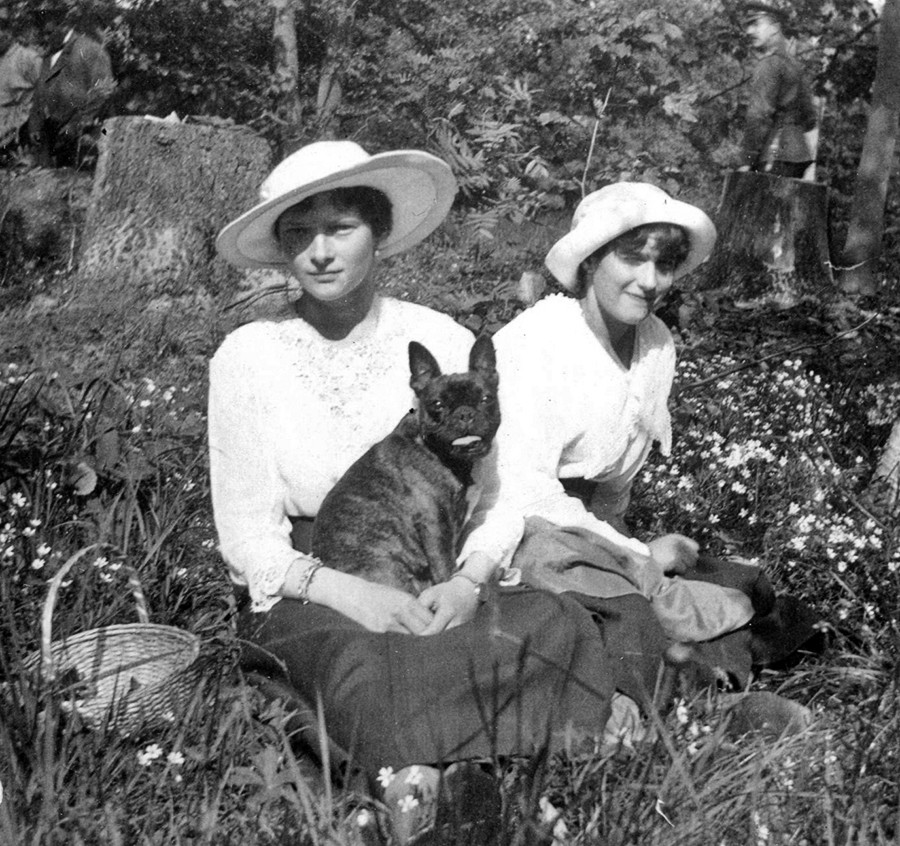
Tatiana, Anastasia, and Ortipo
Public domain
Read also: The Secret Life of the Romanovs
The heir to the throne, Tsarevich Alexis, was an energetic little boy who loved to have fun and showed great curiosity. His hemophilia, which constantly endangered his life, taught him to be strong, patient, and merciful towards others. He did not have many friends, and his animals represented his greatest joy: a cat named Kotka and a dog named Joy, who almost never left his side.
Joy was the descendant of a Cocker Spaniel brought from Great Britain. The Tsarevich and he were inseparable: Alexis took him on holidays and trips.
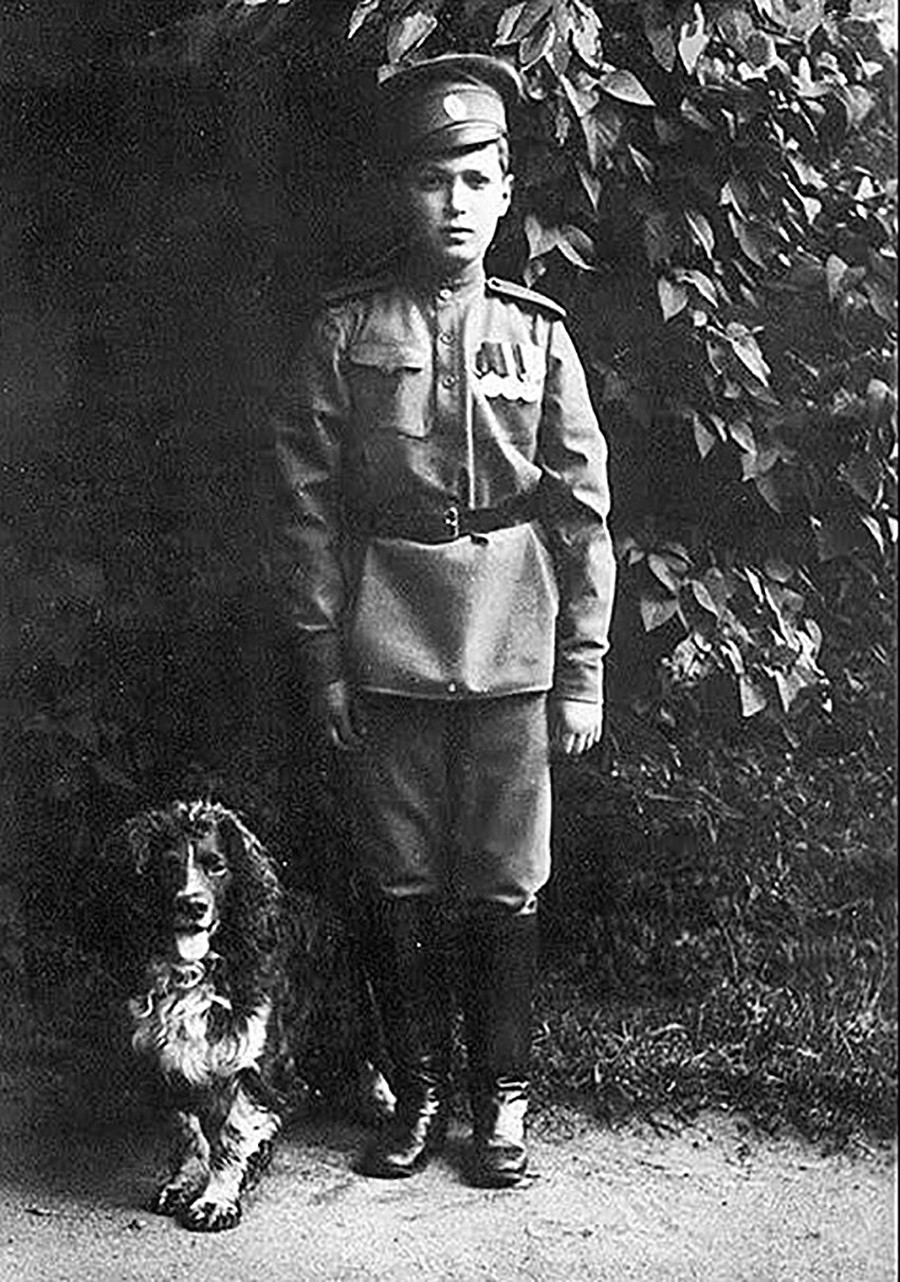
Alexis and Joy
Public domain
Nicholas II sometimes brought his son to the front to boost troop morale and strengthen his heir’s patriotism. Joy was also part of these journeys.
Kotka, for his part, was a large, bushy cat, a gift from General Vladimir Voyeikov, head of the Tsar’s personal guard. It should be noted that this tomcat could not harm the little boy, as his claws had been removed because Alexis suffered from hemophilia, and even the slightest scratch could be fatal. Alexis, easily impressionable, had not been informed of this operation; Voyeikov had simply explained to him that the animal could not extend its claws.
Read also: The Romanovs victims of a ritual murder? Three mysteries linked to the death of the Tsar’s family
Alexis and his sisters truly loved this cat and asked their parents to get them another one, this time with red fur. This is how Zoubrovka entered their lives.
The Tsarevich always took Kotka with him wherever he went, sometimes even to high-ranking dinners, which “caused dread among those who were afraid of cats,” Voyeikov recalled in his memoirs. However, Alexis rarely took him for walks, fearing he might lose his cat outdoors.
In exile
Upon leaving the imperial residence of Tsarskoye Selo to live in exile in Tobolsk, the family could not take the cats with them. Kotka and Zoubrovka therefore remained at the palace with the other cats. According to some sources, they were later adopted by benevolent people.
The three dogs, however, followed the family on this long journey, becoming their only comfort.
Read also: 1917 menu: what did the Bolsheviks, Lenin and Nicholas II eat?
The new life in Tobolsk, and then in Ekaterinburg, represented unimaginable freedom for these quadrupeds: “Joy, Ortipo, and Jimmy are thriving. The first two had to be chased from the yard, where they were having fun in the garbage pit, eating scraps…” Anastasia confided in her diary in November 1917.
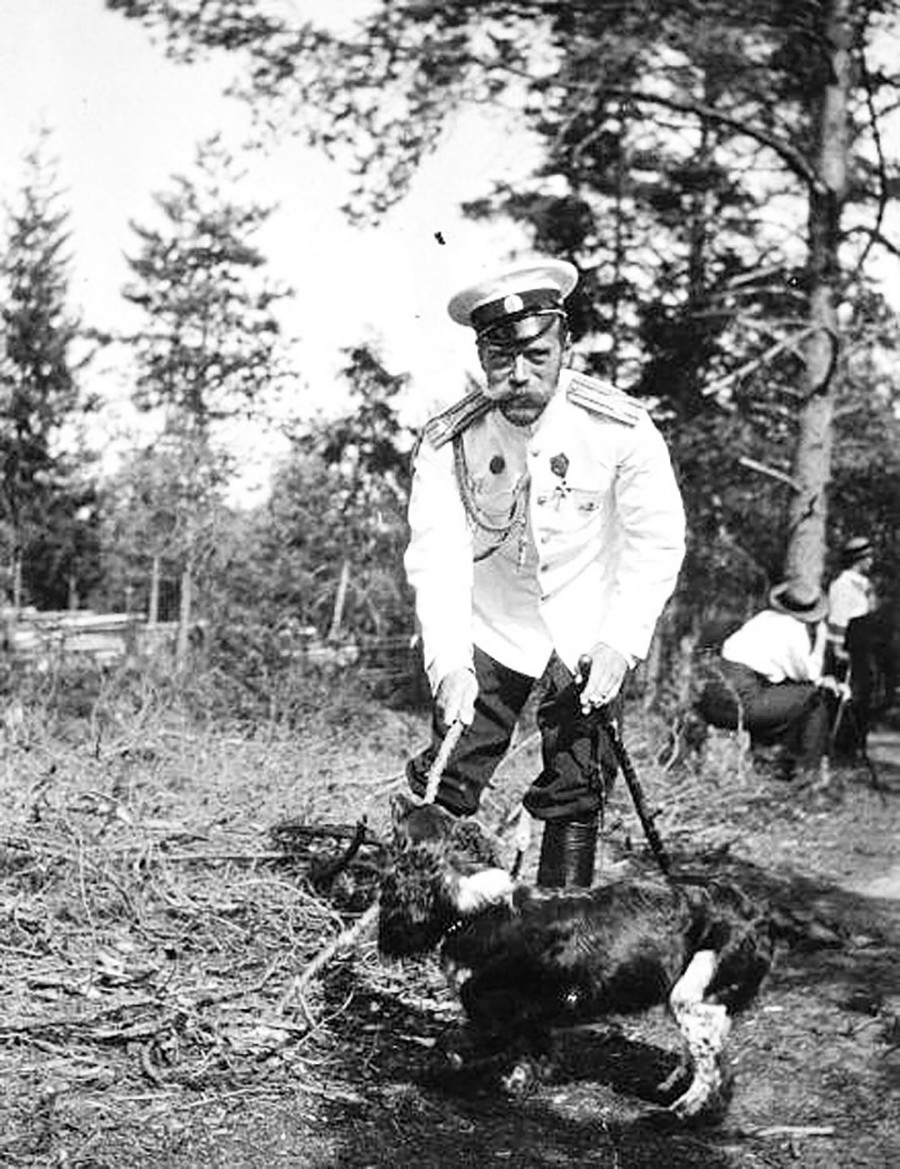
Nicholas II and Joy
Public domain
This peaceful life came to an end in July 1918, when the imperial family was assassinated. Joy was a mischievous dog and often ran away, which ultimately saved his life, as he was not at the Ipatiev House, where the family was staying, when the tragedy occurred. As for the other dogs, Anastasia was holding Jimmy in her arms when she was executed (a dog’s body was later found at the scene), while Ortipo was probably somewhere outside, sparing him for a short time.
Read also: Why the last Tsar’s first love haunts modern Russia
Later, people testified to having seen two dogs near the Romanovs’ house. Upon returning home, Ortipo began barking loudly, annoying the guards, who did not hesitate to kill him. Joy, on the other hand, was quieter, and upon his return, scratched at the door, eliciting clemency from these men. Later, Mikhail Letiomin, one of the Red Army officers guarding the abandoned residence, took pity on this dog and decided to take him in.
When the White Army took the city, one of its officers, Pavel Rodzianko, who knew the imperial family quite well, saw Joy in the street and was thus led to Letiomin. The latter was consequently arrested, and Rodzianko adopted the dog in memory of Alexis, who had died shortly before his 14th birthday.
Subsequently, Joy accompanied Rodzianko to Vladivostok when the White Army retreated. He then traveled the world to reach the United Kingdom, where he was presented by the officer to King George V, Nicholas II’s cousin. Joy thus received a place at court and lived a long life there before being buried in the royal dog cemetery at Windsor Castle.
Did you know that some of the most illustrious Russian writers were also great friends of animals? Russia Beyond introduces you here to the loyal companions of Chekhov, Mayakovsky and Tolstoy.
Source: https://fr.rbth.com