
“They had different profiles. Armand Hammer was truly a demonic character: I was told that it was frightening to be in the same room as him. He gave the sale of Russian antiquities a massive character (he received a 10% commission from the Soviet government)—even organizing the sale of the Romanov Treasures (incidentally, these pieces had no connection to the Tsar’s family) at the New York department store Lord & Taylor,” recounted renowned researcher and art historian Natalia Semionova, author of the book The Sold Treasures of Russia.
Read also: Why the Morozov Impressionist Collection Is So Eagerly Awaited in Paris
Royal crowns and diamonds, icons and other objects of religious worship, historical paintings, and sculptures were sold “in bulk” to U.S. Secretary of the Treasury Andrew Mellon, oil tycoon Calouste Gulbenkian, U.S. Ambassador Joseph Davies, and his wife, Marjorie Post. Most of these works later became the pride of museums around the world, from the Metropolitan in New York to Hillwood in Washington and the Calouste Gulbenkian Museum in Lisbon.
K. Bolin Company. Imperial Wedding Crown. 1890s
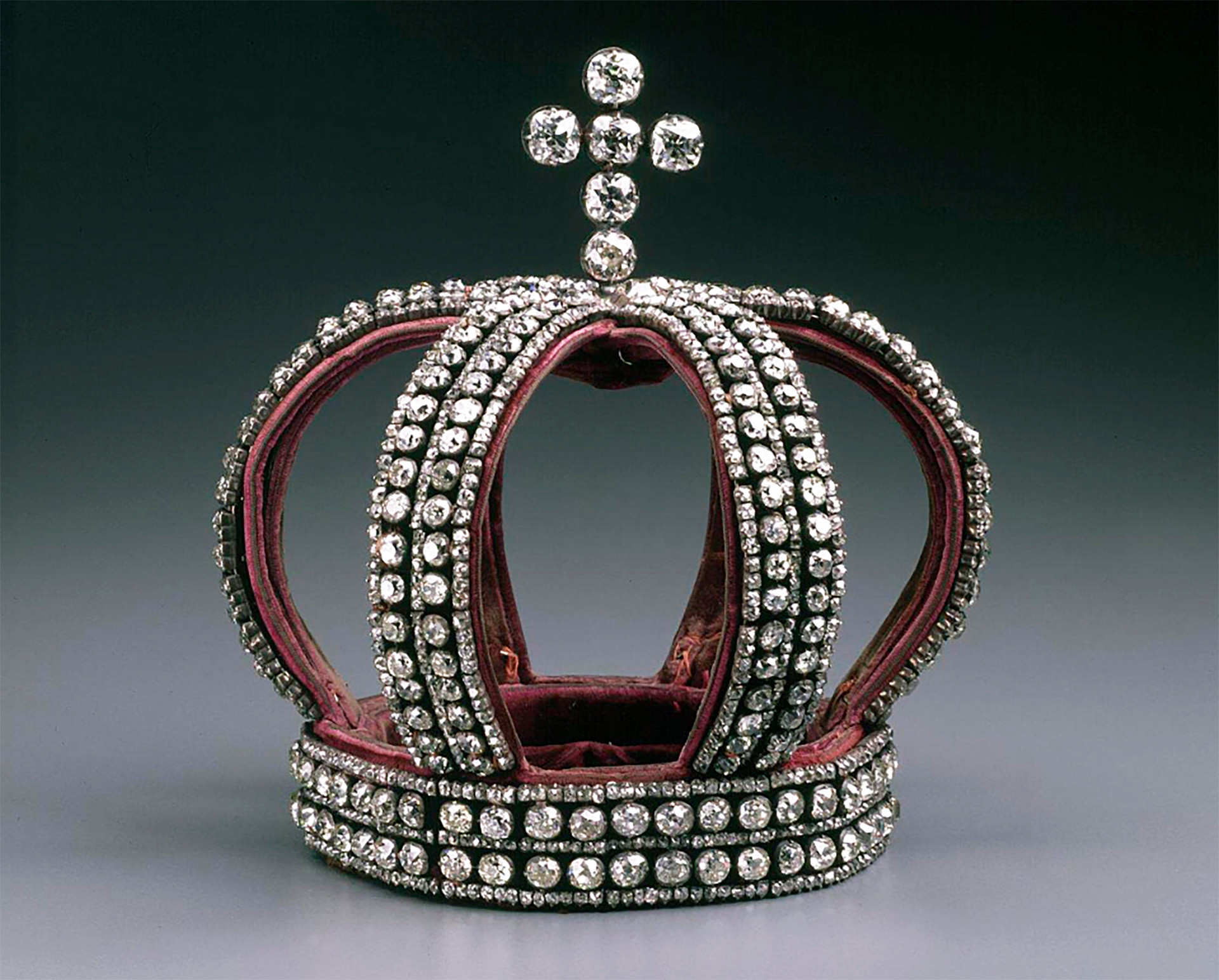
This is one of the more modest crowns sold by the Bolsheviks, which adorned the last Russian Empress Alexandra Feodorovna at her wedding in 1894. It was sold by the Russian state agency for precious metals and gemstones (Gokhran) in 1926 to antique dealer Norman Weiss before being purchased later, in 1966, by Marjorie Post. Today it is housed at the Hillwood Museum in Washington.
Read also: Fabergé Masterpieces and Jewels with Imperial History at Christie’s Auction
Fabergé Company. Coronation Easter Egg. 1897
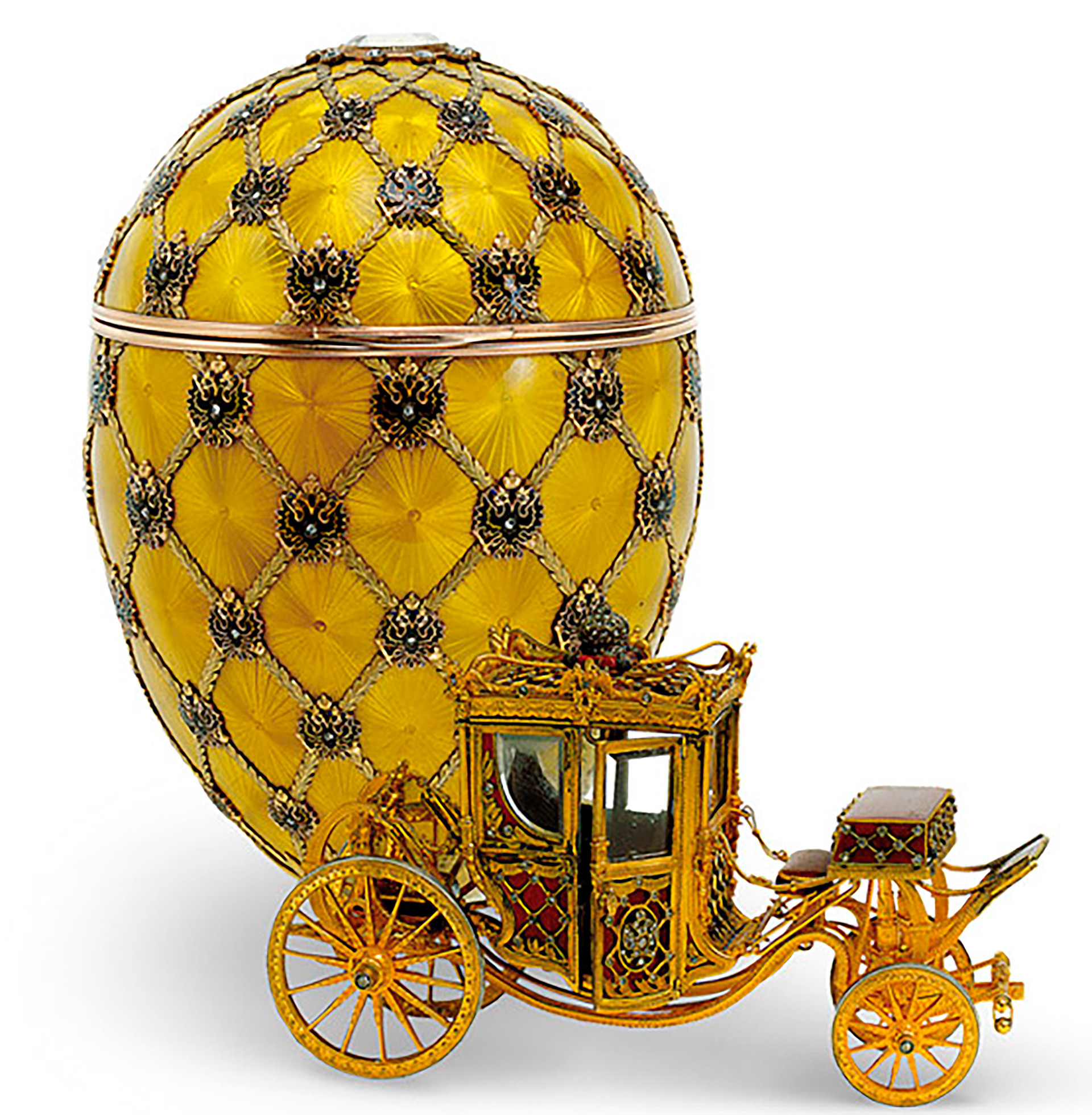
The Fabergé jewel in platinum with diamonds, rubies, and enamel with a carriage surprise inside was given by Nicholas II to Alexandra Feodorovna. It was sold by the Kremlin Armory in Moscow in 1927 to Wartski Gallery in London, and in the late 1970s was found in Malcolm Forbes’s collection. Today, it is part of Russian oligarch Viktor Vekselberg’s collection and is displayed at the Fabergé Museum in Saint Petersburg.
Peter Paul Rubens. Portrait of Helena Fourment. 1630-1632
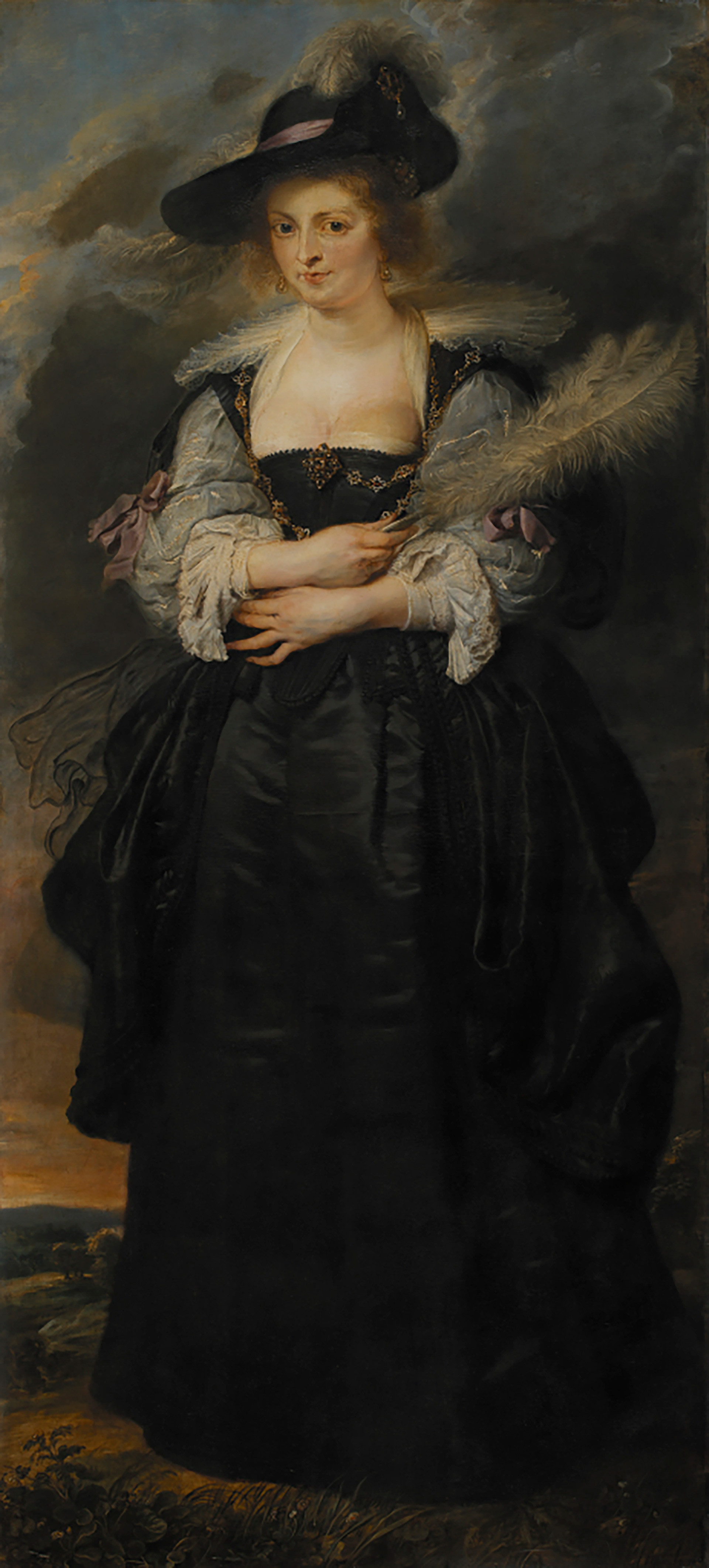
The portrait was purchased for the Hermitage by Catherine the Great and was sold to Calouste Gulbenkian during the winter of 1929. Today, it is in the museum bearing his name in Lisbon.
Read also: The Fabergé Epic from Splendor to the Fall of Imperial Russia
Raphael. Alba Madonna. 1510
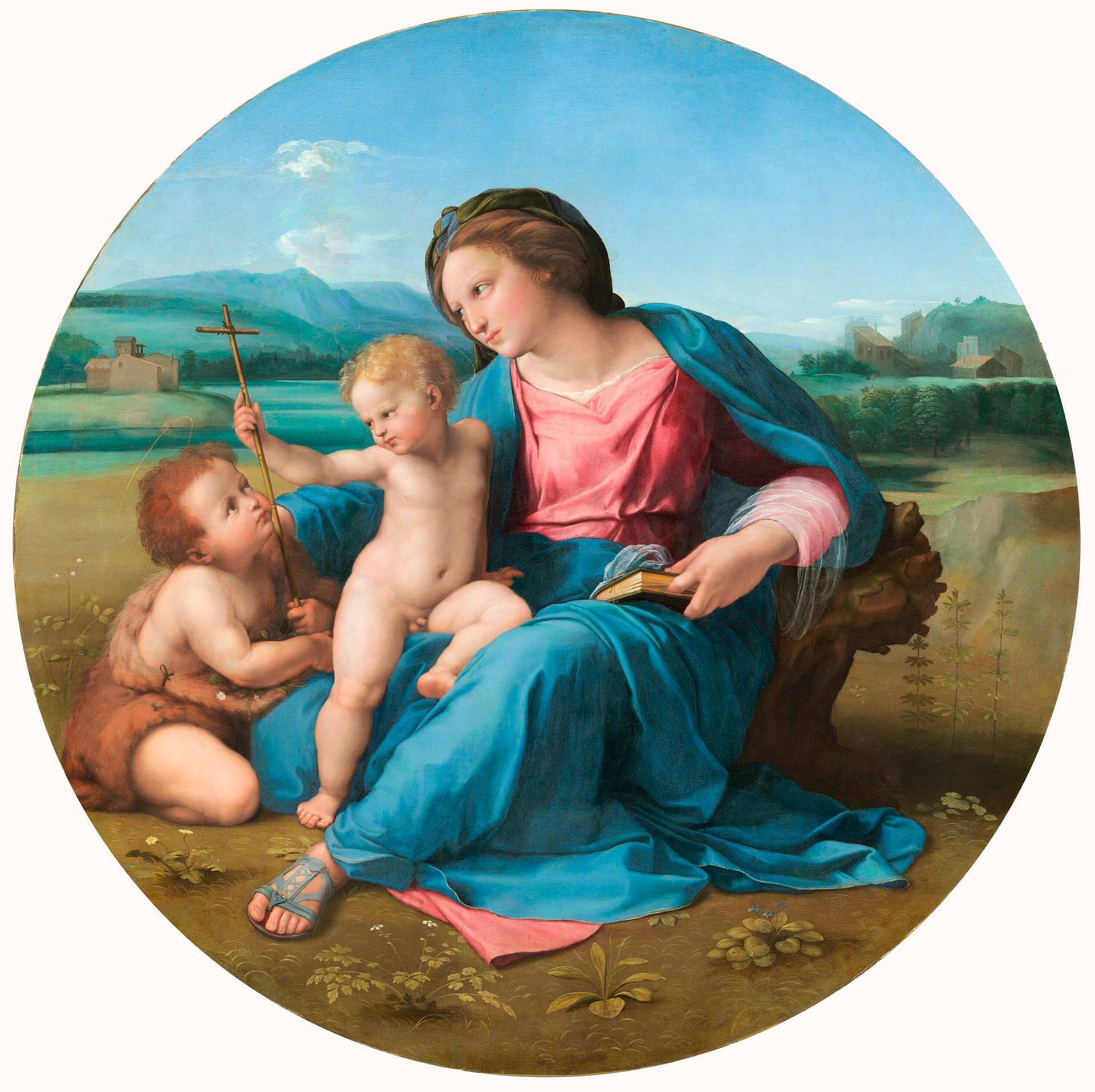
This is the greatest work by the Renaissance genius that the Hermitage possessed. In 1931, Andrew Mellon purchased it for the record amount of nearly $1.2 million. The painting is now held at the National Gallery in Washington.
Titian. Venus with a Mirror. Circa 1555
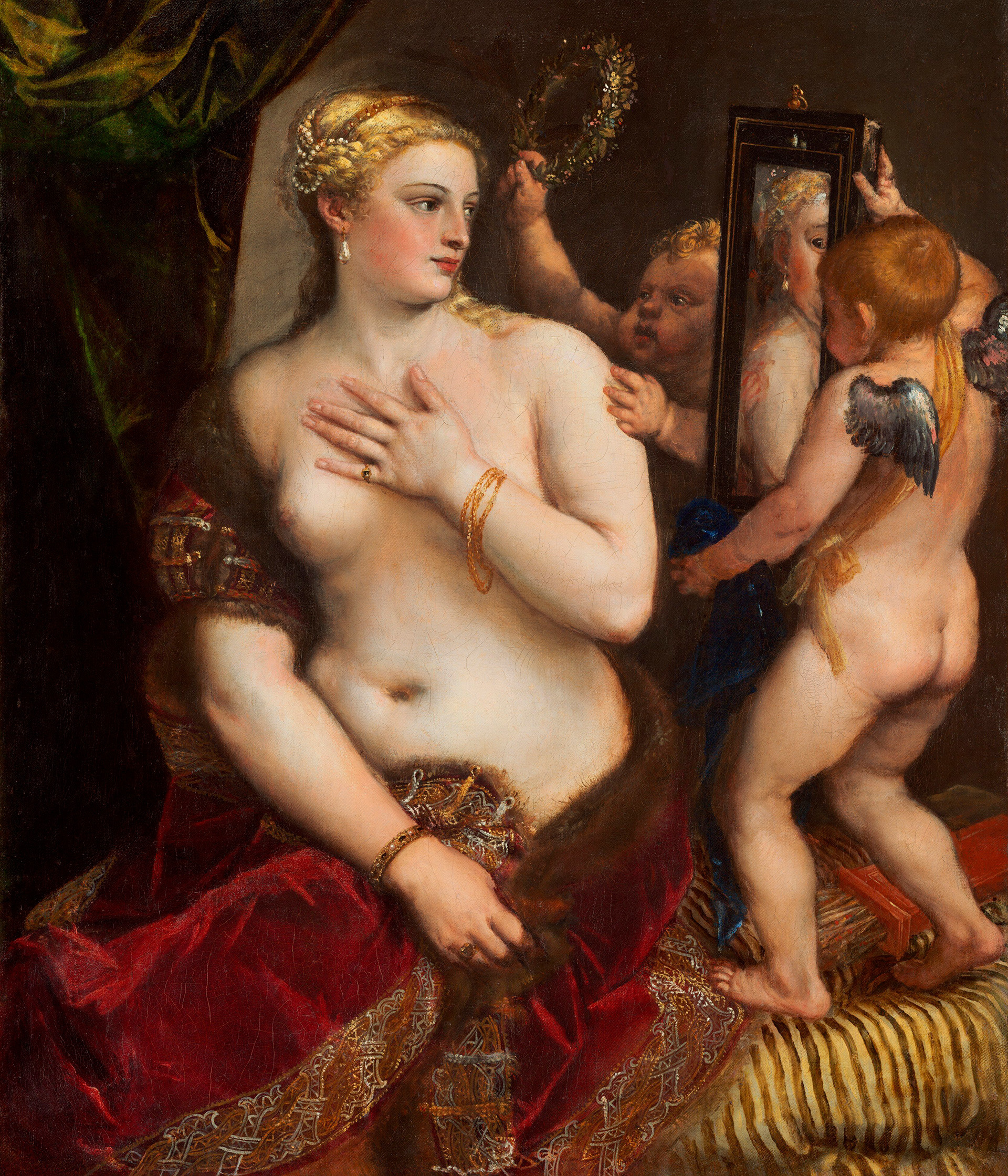
Titian’s principal masterpiece had been held at the Hermitage since 1850. It was also sold to Andrew Mellon in 1931, then transferred by him to the National Gallery in Washington.
Read also: Five Malevich Paintings You Had Probably Never Seen
Jan van Eyck. Two Panels of a Triptych—Golgotha and Last Judgment. Circa 1430
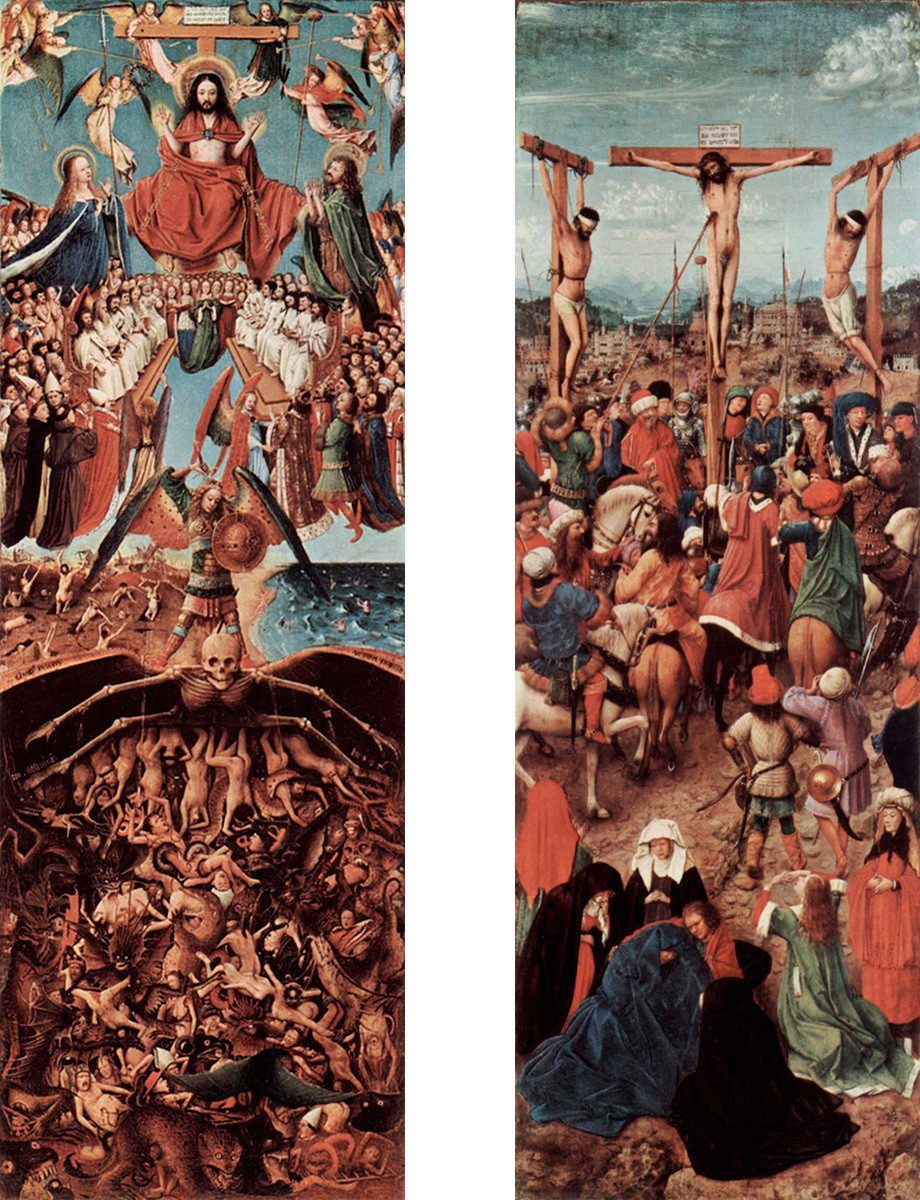
These panels from the so-called “Tatishchev Altarpiece” (they were purchased by the Russian Ambassador to Spain D. Tatishchev) constitute two fragments of a triptych whose central part has been lost. In 1933, they were sold to the Metropolitan Museum of Art in New York. With them and the Annunciation, sold slightly earlier to Mellon, the Saint Petersburg museum lost all its van Eycks.
Nicolas Poussin. The Birth of Venus (The Triumph of Neptune and Amphitrite). 1638-1640
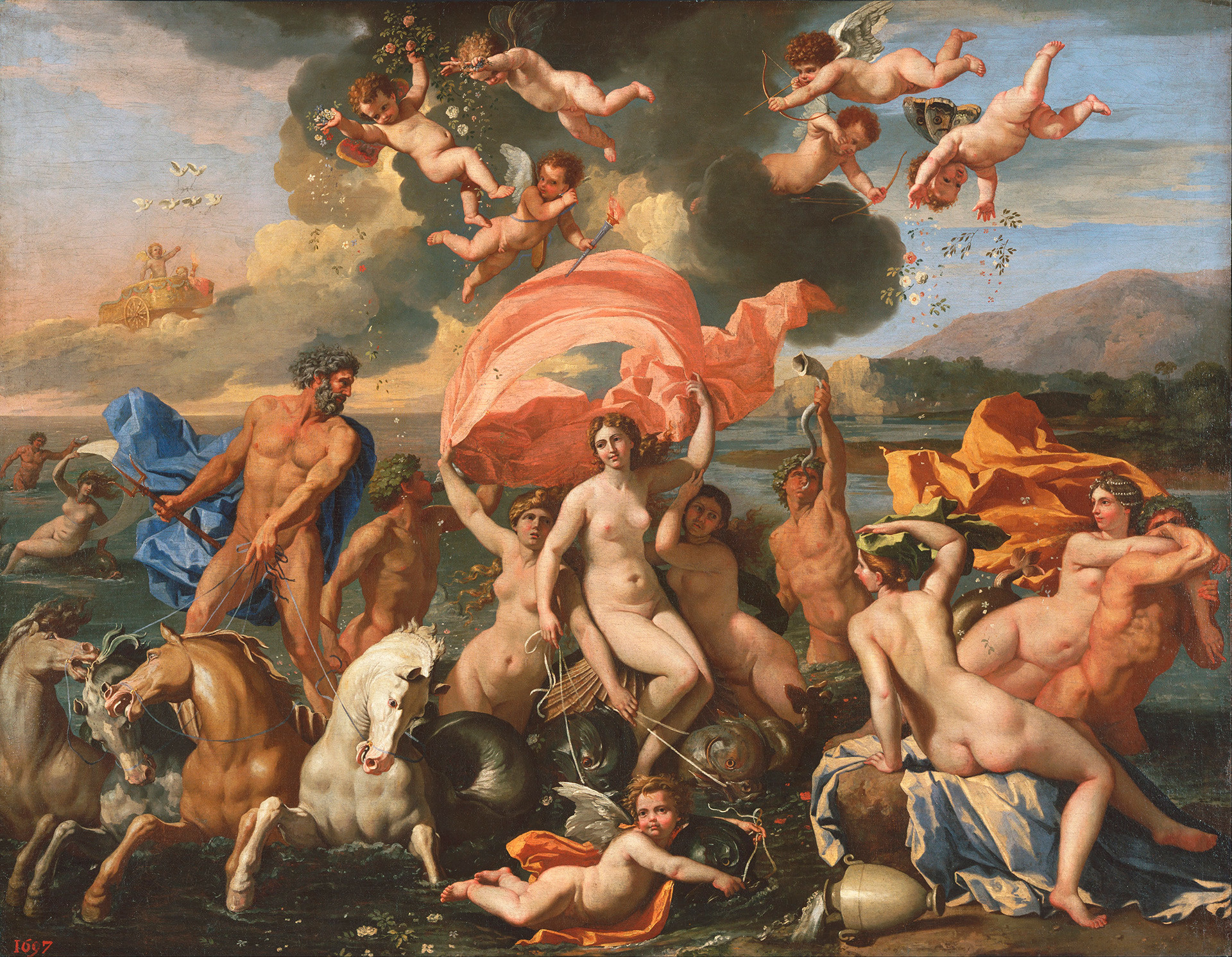
One of four “triumphs” created by Poussin for the legendary Cardinal de Richelieu was acquired by Catherine the Great. In 1932, it was sold to the George Elkins Foundation. It is now held at the Philadelphia Museum of Art.
Read also: Ten Things to Know About Pyotr Konchalovsky, the Russian Cézanne
Rembrandt. The Denial of Peter. 1660
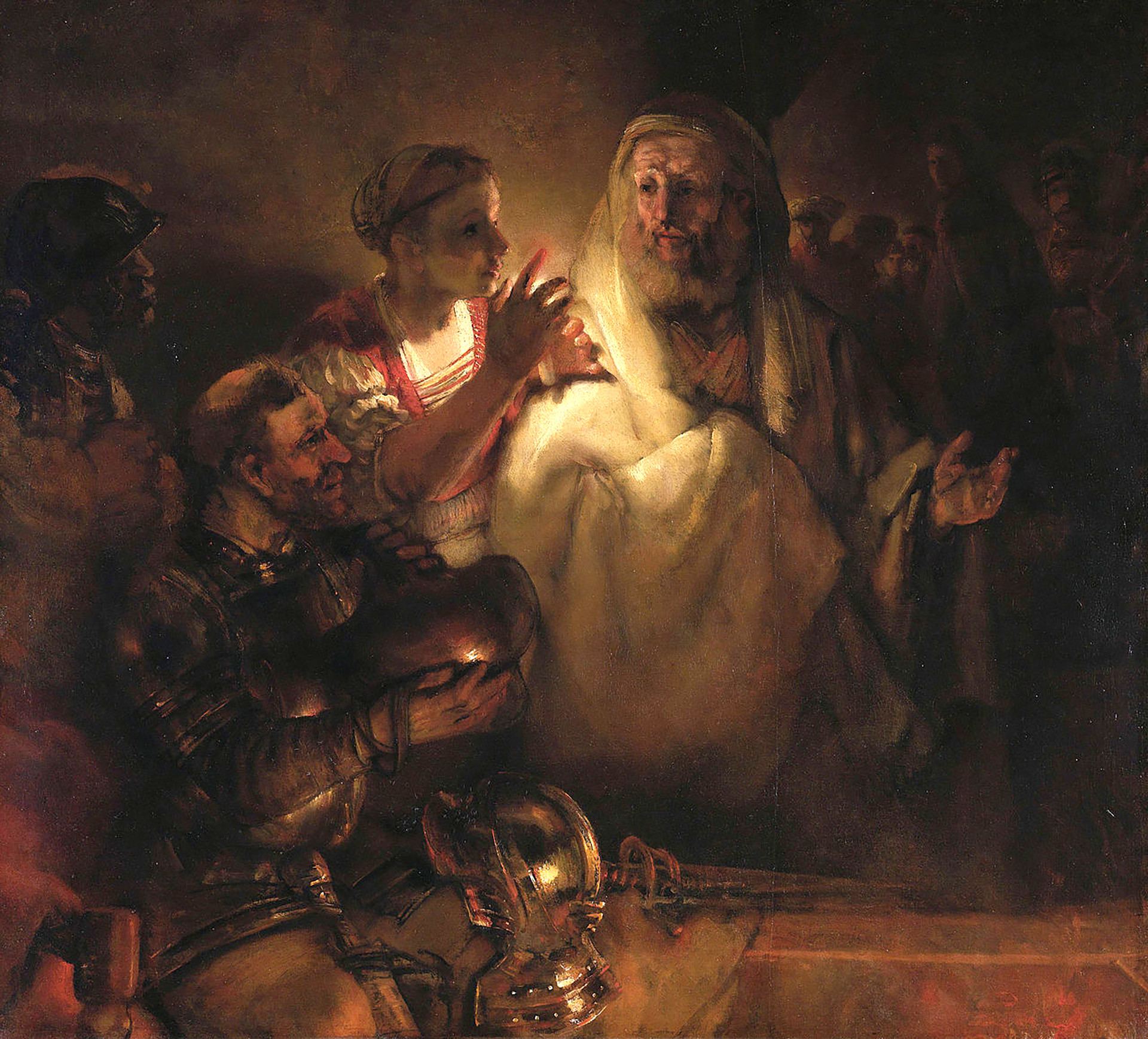
The sale of this work in 1933 to the Rijksmuseum in Amsterdam was a true tragedy for the Hermitage. The Hermitage director at the time, Boris Legrand, wrote: “This is our only work featuring Rembrandt’s characteristic use of artificial light effects.”
Vincent van Gogh. The Night Café. 1888
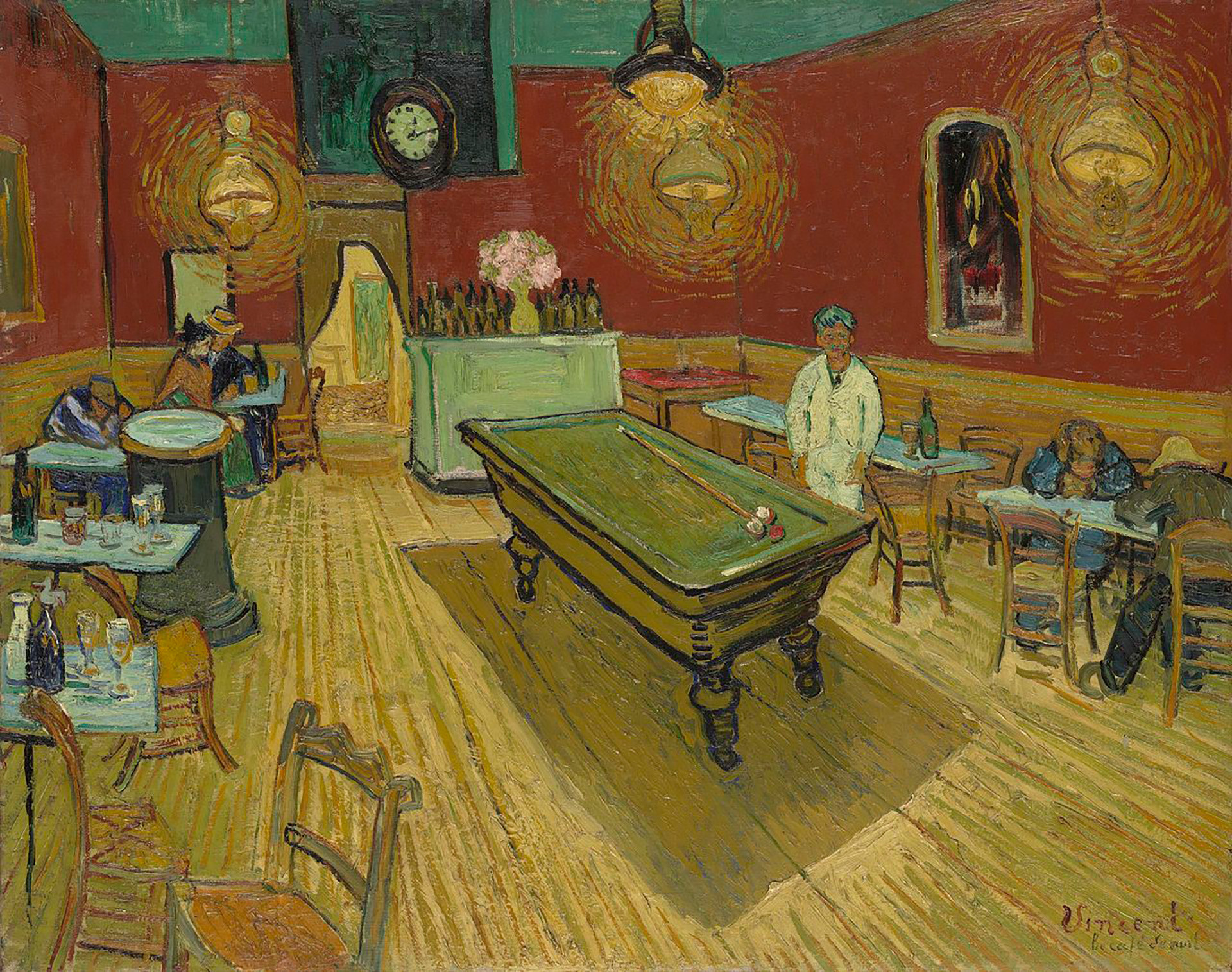
This is one of the few works of Impressionism and Modernism lost by Russian museums at the time, solely because prices were still very low. Van Gogh’s canvas was sold by the Museum of New Western Art in Moscow (now the Pushkin Museum) to Stephen Clark in 1933. According to the latter’s will, it was bequeathed to the Yale University Art Gallery after his death.
Source: Russia beyond the Headlines