
The great-grandson of Grand Duke Kirill Vladimirovich, the first Romanov in exile to name himself “emperor” after the death of Nicholas II, was born in 1981 to the family of Maria Vladimirovna Romanova and Prince Franz Wilhelm of Prussia. His name is George.
Prince Vasily Alexandrovich, who then headed the Romanov Family Association, stated: “The happy event in the Prussian royal family does not affect the Romanovs because the newborn prince belongs neither to the Russian Imperial House nor to the Romanov family.” Why such an imbroglio?
The Grand Duke with the Red Ribbon
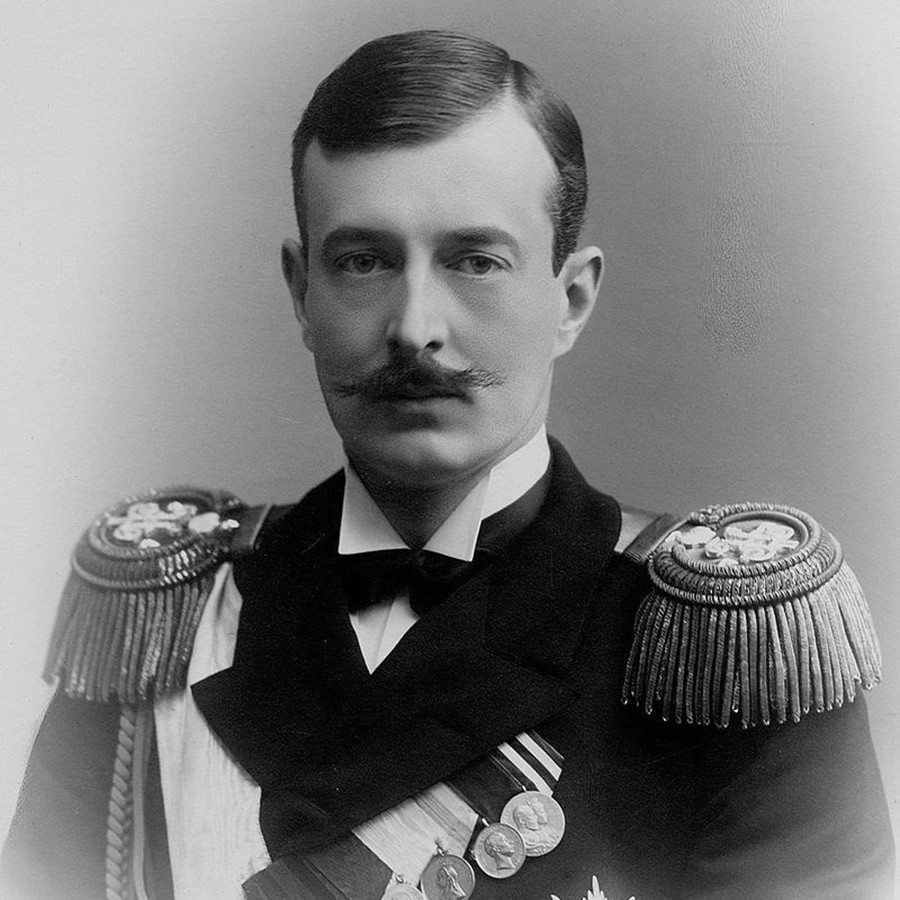
Grand Duke Kirill Vladimirovich
L. S. Gorodetsky/Wikipedia
Kirill was the grandson of Alexander II and, on August 31, 1924, he proclaimed himself Emperor Kirill I, provoking the anger of other Romanovs who believed he had no right to do so.
Read also: Four ‘Sex Scandals’ That Rocked the Romanov Family
Disapproving of such a decision, they pointed out that Kirill had taken part in the February Revolution of 1917—thus violating the oath of allegiance to Nicholas II. Then commander of the Royal Guard corps, Kirill entered the State Duma building on March 1, 1917, wearing epaulettes with the emperor’s monogram and a red ribbon on his clothing. He swore allegiance to the Russian people and the Duma. But this was not the main objection.
Kirill violated the Russian law on dynastic succession—he married his cousin, Princess Victoria Melita of Saxe-Coburg. Nicholas II did not approve of this marriage, and Kirill’s wife did not convert to Orthodox Christianity. Nicholas deprived Kirill of his rights as a member of the House of Romanov. The emperor’s decision was classified so as not to enrage public opinion. After Victoria finally converted to Orthodoxy, Kirill regained his rights as a family member, but his right of succession to the throne was not clearly restored. However, at the time of the marriage, their union had not been approved by the emperor.
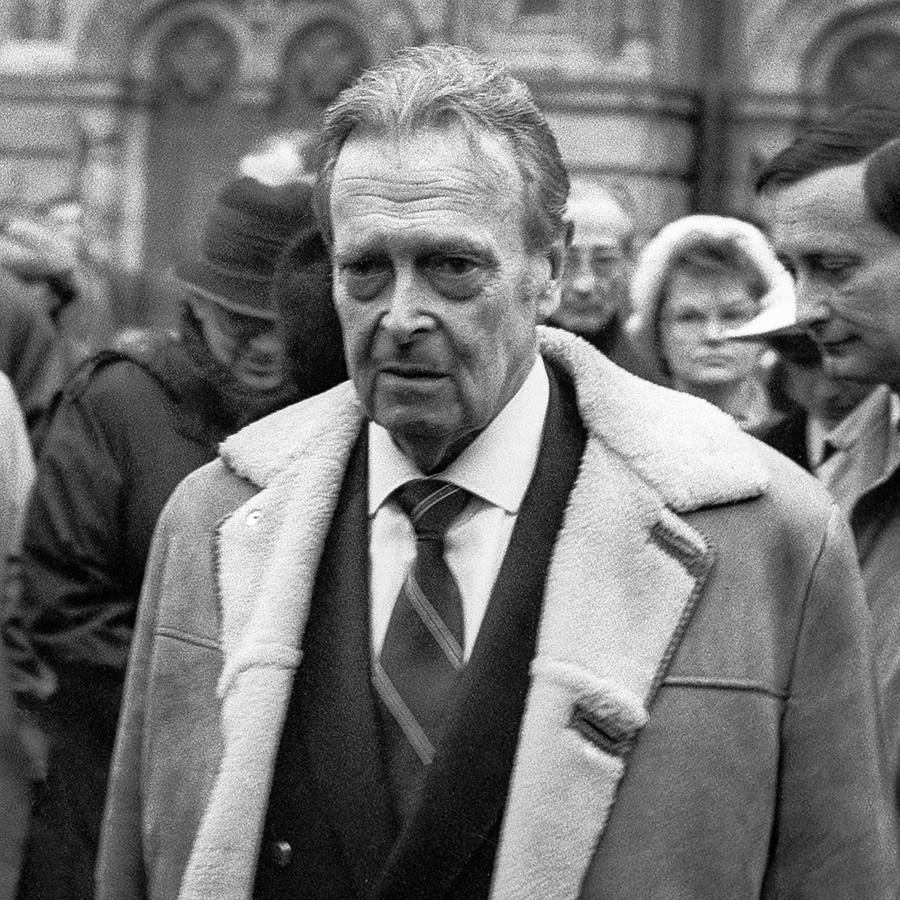
Vladimir Kirillovich Romanov
Nikolai Adamovich/TASS
After Kirill’s death, his son Vladimir (1917–1992) became the senior successor to the non-existent throne. He was never referred to as “Emperor,” but his father had granted him the title of “Grand Duke and Tsesarevich” (heir to the throne), and Vladimir assumed the responsibilities of Head of the House of Romanov.
Read also: Why did Prince Harry wear Nicholas II’s uniform for his wedding ceremony?
Do Kirill’s descendants have a right to the throne?
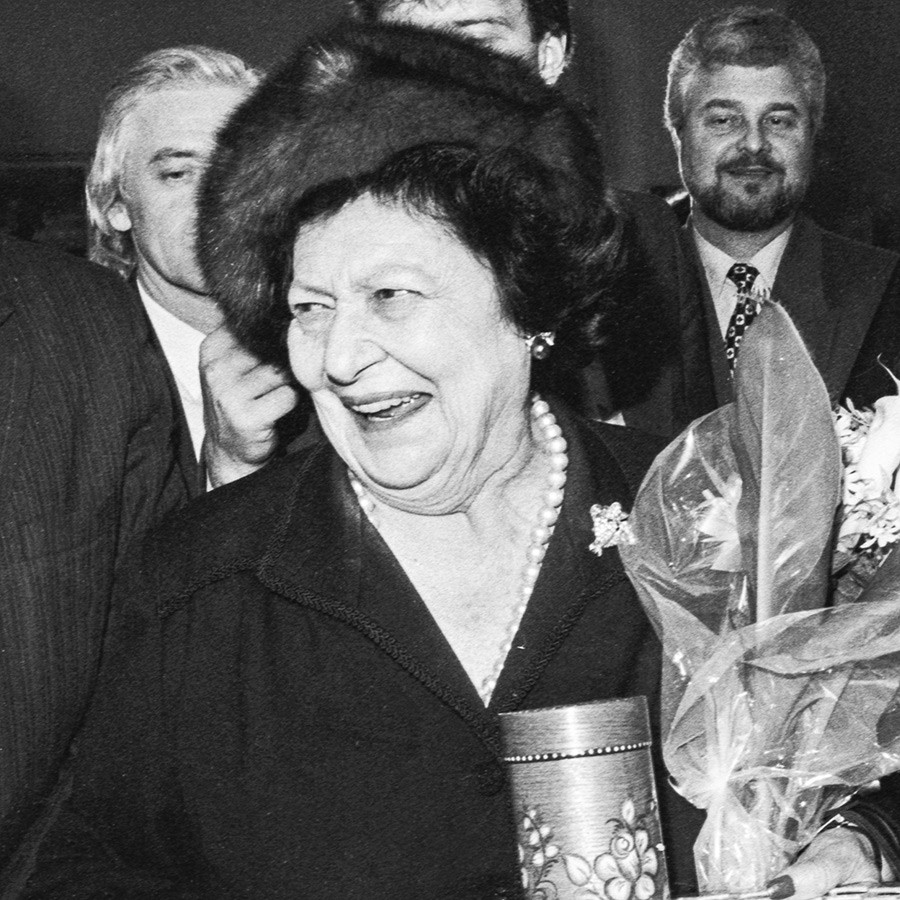
Leonida Georgievna Bagration of Mukhrani
Sergei Metelitsa/TASS
“Naming Vladimir ‘Grand Duke’ was a violation of Russian Imperial law,” states Evgeny Pchelov, a Russian historian and internationally renowned specialist in Romanov genealogy. Grand Dukes can only be those who are at least grandsons of an Emperor. And Vladimir Kirillovich was the great-grandson of Alexander II. Therefore, he could not hold the title of Grand Duke and Tsesarevich, as his father had bestowed upon him.”
In 1948, in Lausanne, Vladimir married the Georgian Princess Leonida Georgievna Bagration of Mukhrani. In 1969, Vladimir declared their only child, 16-year-old Maria, heir to the throne. Other Romanov descendants, notably Prince Andrei Alexandrovich (great-grandson of Nicholas I), expressed their dissatisfaction: Leonida Bagration was not a spouse “born on an equal footing” with Vladimir.
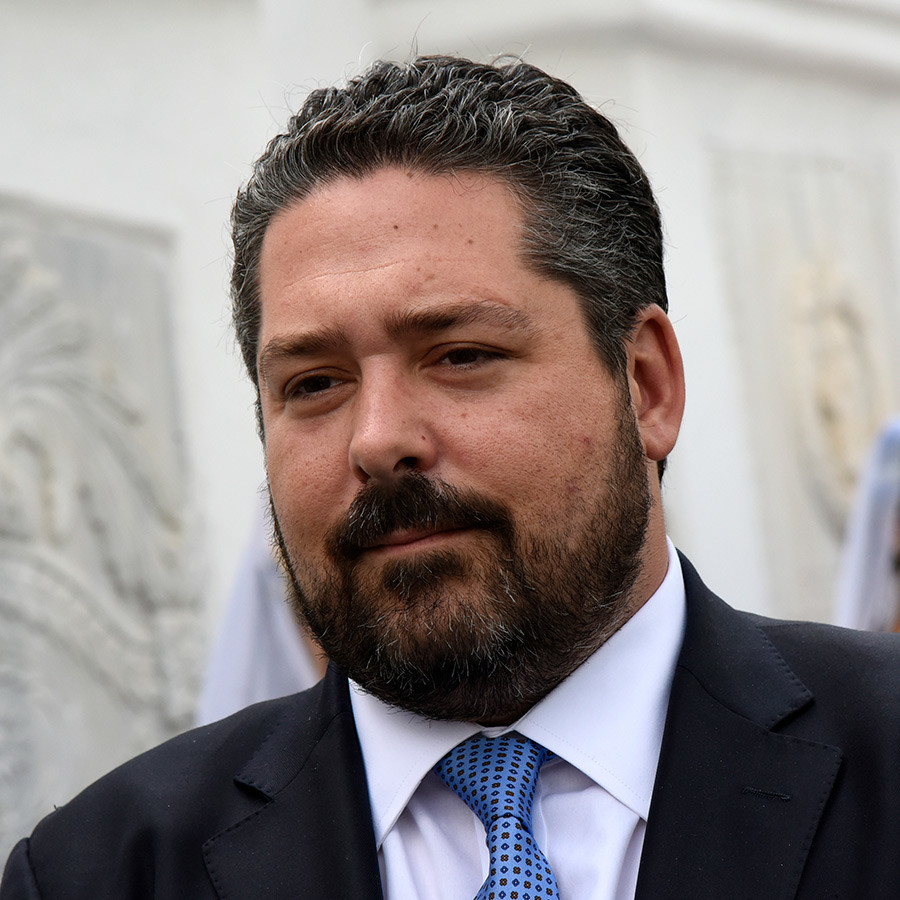
Georgy Mikhailovich Romanov
Alexandr Polegenko/Sputnik
In 1946, Vladimir granted the Bagrations of Mukhrani royal dignity due to their membership in the Bagration family, the dynasty of Georgian Tsars. Evgeny Pchelov explains why this was not true: “The Bagration dynasty, Georgian princes, had several branches, and the Georgian Tsars belonged to the Imereti branch. Furthermore, in accordance with Russian Imperial law, the Russian Emperor has held the title of ‘Tsar of Georgia’ since 1801, when Georgia became an integral part of the Russian Empire. Thus, no Georgian dynasty could be considered ‘equal’ to the Romanovs. Vladimir’s decision in 1946 made the situation absurd,” says Pchelov.
Read also: Who Among the Romanovs Survived the Red Terror a Century Ago?
Vacant Throne
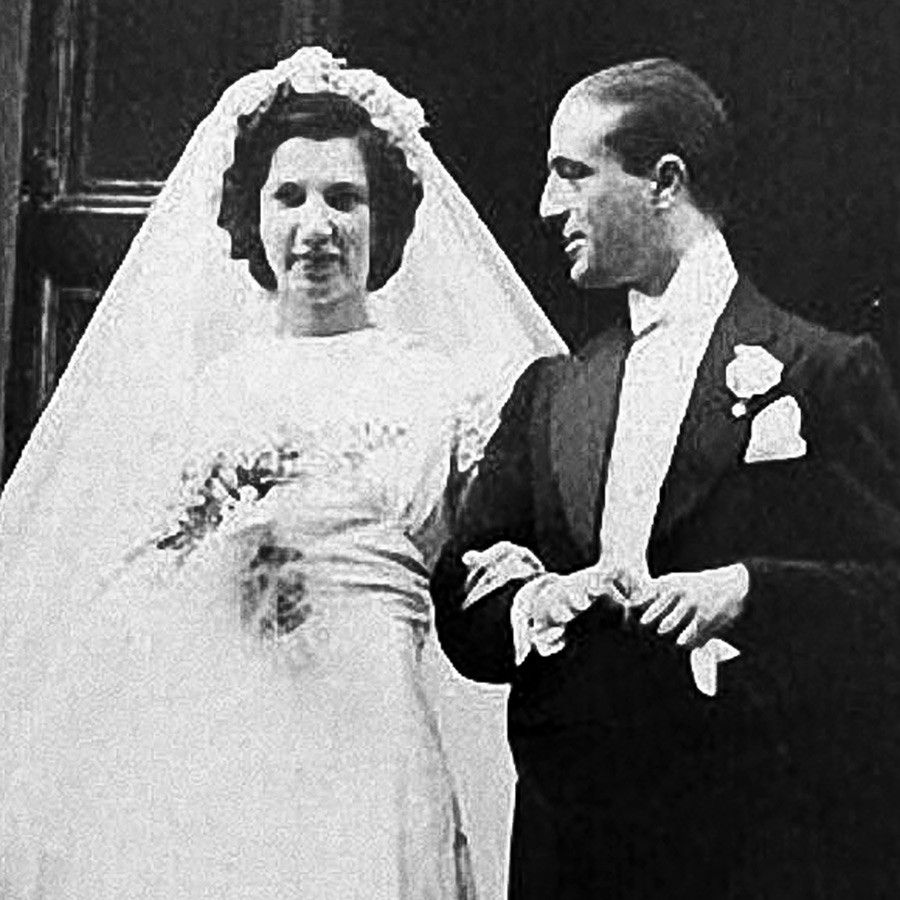
Catherine Ivanovna and Ruggero Farace
Wikipedia/TASS
“Only members of the Russian Imperial House of Romanov can claim rights to the throne,” adds Pchelov. These individuals must first be born of an equal marriage—between descendants of royal dynasties. The last Romanov to satisfy these requirements was Princess Catherine Ivanovna (1915–2007), who spent the final years of her life in Uruguay. At present, there are no Romanovs born of equal marriages, so according to Russian Imperial law, no one can claim rights to the throne,” Pchelov concluded.
In the past, one possible way to resolve such crises was to convene a meeting of the Zemsky Sobor (the Russian parliament of the 16th and 17th centuries). For example, Mikhail Romanov, the first tsar of the dynasty, was chosen during the Zemsky Sobor of 1613. However, the exact mechanism is unclear because Imperial Russian law does not mention the procedure for convening the Zemsky Sobor.
Read also: Fake Romanovs: four people who claimed royal blood
Some monarchist scholars also claim that the Russian Empire was never officially declared null and void and that it technically still exists. This is false, because on January 5, 1918, during its first and only meeting, the Russian Constituent Assembly proclaimed the republic.
Finally, why are we even talking about Imperial Russian law, which ceased to exist with the end of the Russian Empire? After all, the monarchy has also passed… However, one thing is certain: no Romanov holds undisputed rights to the non-existent imperial throne.
Source: rbth.com