
Technically, Nicholas II was not the last Tsar of Russia. Forced to abdicate, he renounced his crown in favour of his brother, Grand Duke Mikhail Alexandrovich, on March 15, 1917. He had, in fact, been forbidden to place his son, Tsarevich Alexei, on the throne.
Mikhail’s “reign,” however, lasted only one day, because on March 17 he published a manifesto in which one can read: “I have made the firm decision to assume supreme power only if our great people invest me with such authority.”
In practice, this amounted to an abdication. Under pressure from the Provisional Government and seeing the people’s lack of support for the monarchy, Mikhail withdrew of his own accord.
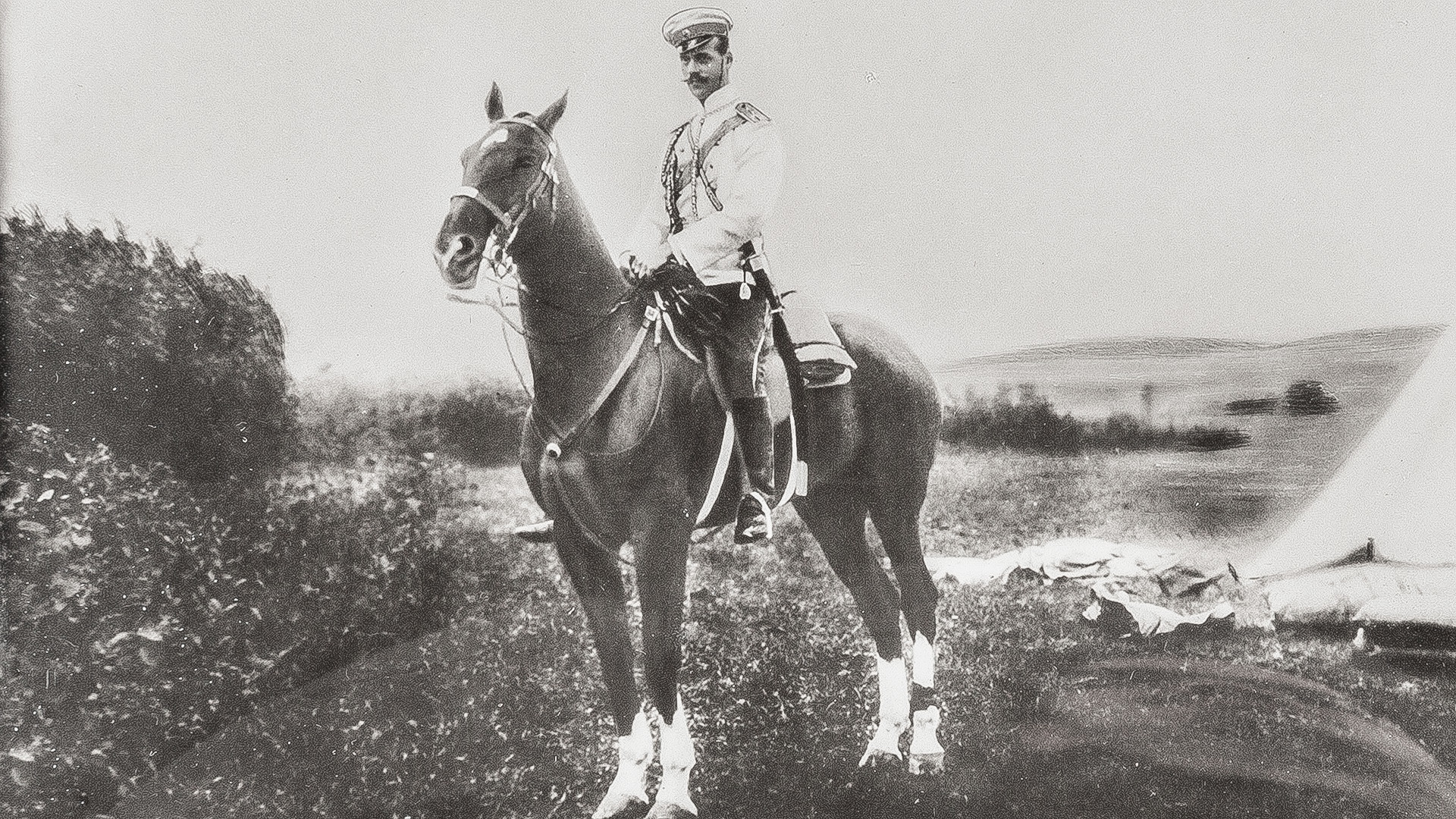
Grand Duke Mikhail Alexandrovich
Getty Images
Read also: The last days of a doomed family: the Romanovs’ life just before their brutal end
If the abdication did not save Nicholas II from a terrible fate, it did not save his brother either. On June 13, 1918, the Bolsheviks secretly shot Mikhail near Perm (1,156 km east of Moscow) after staging an escape attempt. The event served as a pretext to execute several relatives of the last Tsar.The murder of the last Tsar
As early as 1917, even monarchists had abandoned Nicholas II and hoped that his abdication in favour of Mikhail would save the empire.
“Our army took the abdication of the Emperor [Nicholas] relatively calmly, but Mikhail’s abdication, and the abandonment of the monarchy in general, stunned everyone… All the components of the Russian state began to fall apart,” recounts Prince Sergei Trubetskoy, a Tsarist nobleman, in his diary.
The Bolshevik Party, which seized power in November 1917, decided to transfer Mikhail to the Urals. Meanwhile, the First World War continued and the Germans were drawing dangerously close to Petrograd (today Saint Petersburg). At the same time, the civil war had broken out and, with anti-Bolshevik forces on the offensive, the Urals found itself under threat. The Bolsheviks therefore decided to get rid of the legitimate sovereign, Mikhail.
Read also: Fake Romanovs: four people who claimed royal blood
“The remains of Mikhail Alexandrovich and his secretary have still not been found, and that is what is most painful,” a direct descendant of the Romanovs told the newspaper Komsomolskaya Pravda in 2018. “As long as the last member of the imperial family has not been found and buried according to Christian tradition, this bloody chapter in Russia’s history will not be over.”
Executions in the Urals and in Petrograd
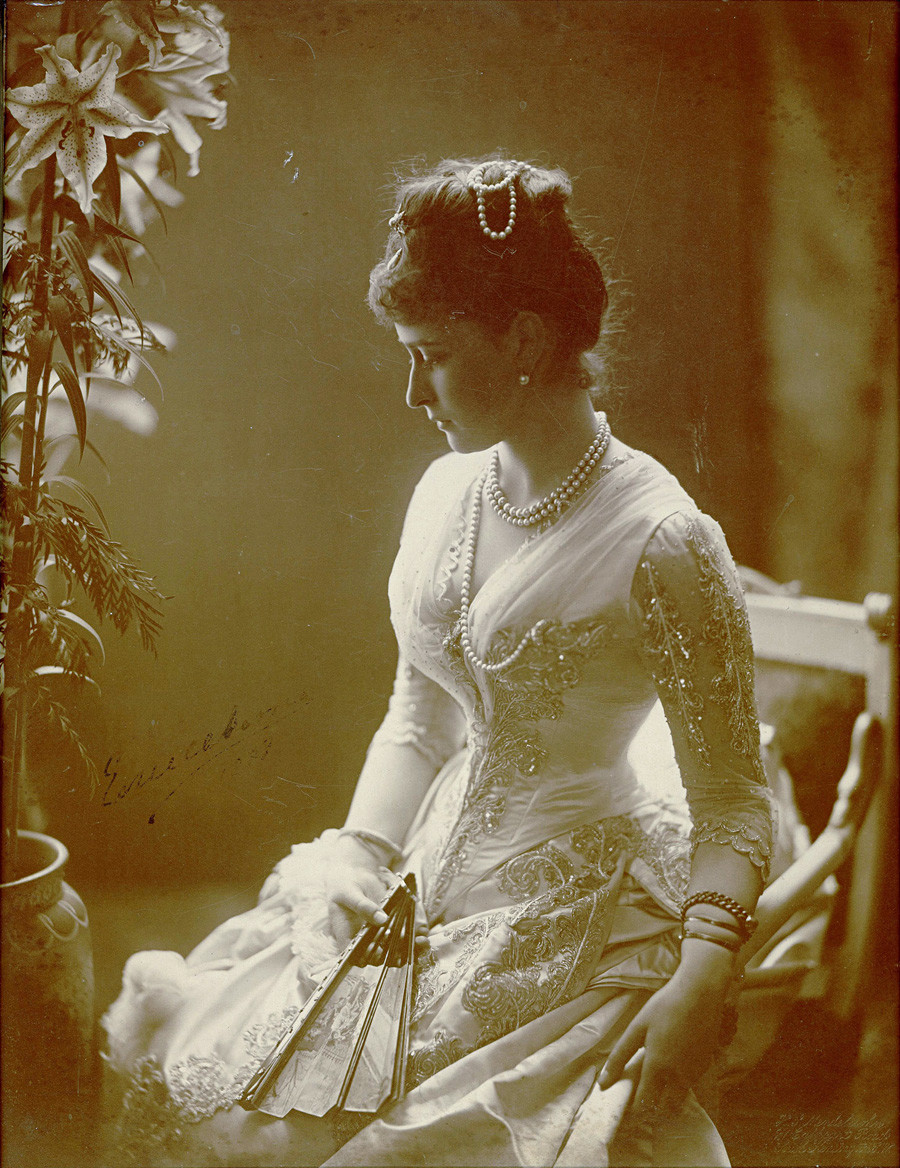
Elisabeth Feodorovna
Hayman Selig Mendelssohn/Wikipedia
In addition to Nicholas II and Mikhail Alexandrovich, several other Romanovs were captured and killed in the Urals during the summer of 1918. For example, on July 18, Grand Duchess Elisabeth Feodorovna, widow of Nicholas II’s brother, who had lived for 12 years as a nun and had founded a convent in Moscow, was thrown into a mine near Alapaevsk (1,477 km east of Moscow). The soldiers threw grenades to finish her off, as well as five other Romanovs and two of their servants.
“According to the documents, the local Bolshevik Party decided to eliminate the Grand Duchess without consulting the central authorities,” notes Natalia Zykova, a historian of the Ural region, in the investigation. “The situation was out of control at that time.”
After killing the Romanovs, the Bolsheviks of Alapaevsk also claimed an escape, officially declaring that the White Army “had abducted them with the help of an aeroplane.”
Read also: Ten Important Facts About the Assassination of the Royal Family
While some Romanovs were killed deep in central Russia, others were executed directly in Petrograd on the official orders of the Bolshevik central government. Indeed, in January 1919, four grand princes, including Nicholas II’s uncle, were, for example, shot and buried in a mass grave.
Julius Martov, a non-Bolshevik socialist, was furious after this execution and wrote in an article entitled What a disgrace!: “What infamy! What needless, violent infamy strikes our revolution!” But it was a merciless time.
Saved by chance
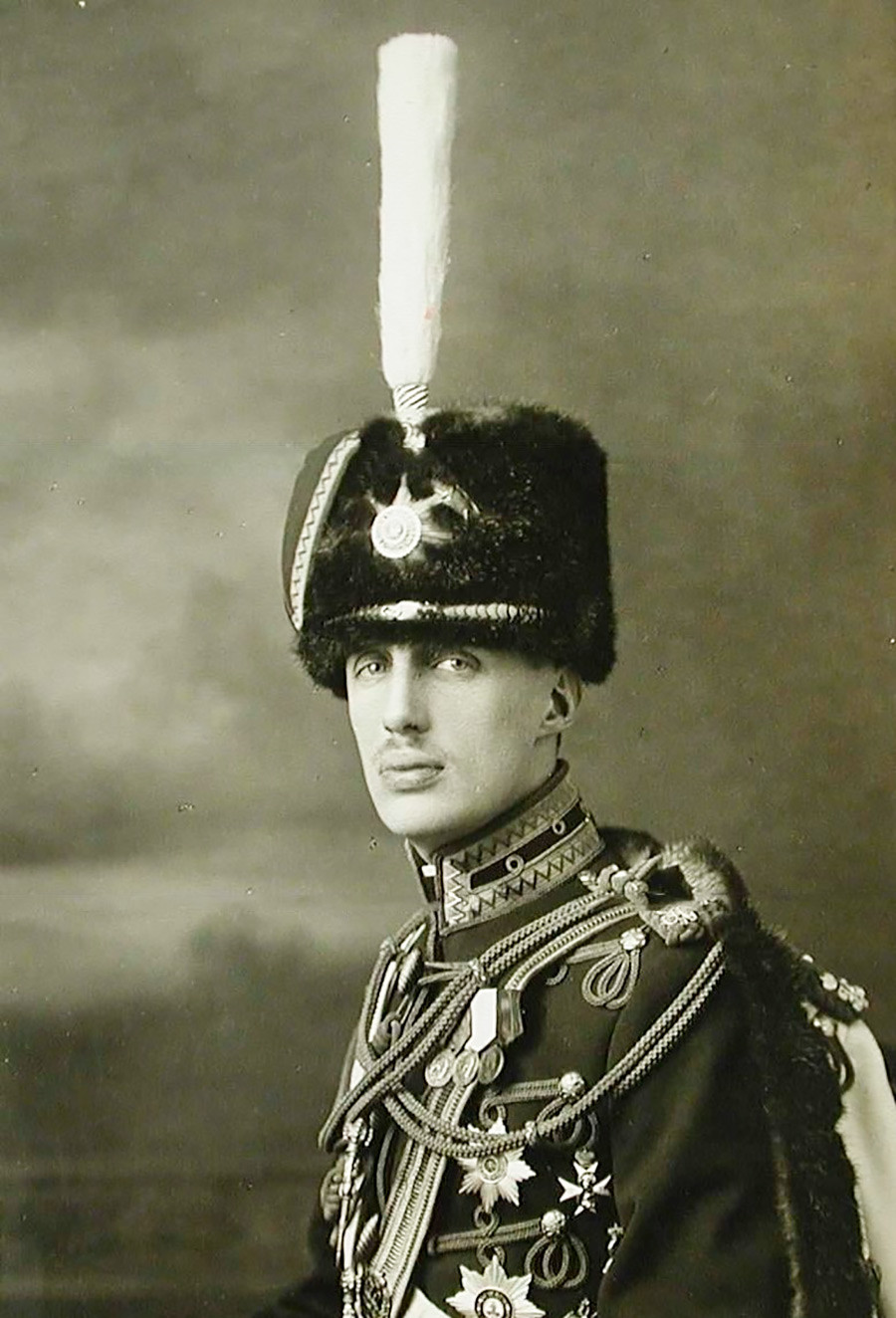
Gabriel Konstantinovich
Public domain
Another Romanov was supposed to be executed with the other four in Saint Petersburg: Gabriel Konstantinovich, the son of Nicholas II’s cousin. Suffering from tuberculosis, he was saved by his wife, Antonina Nesterovskaya, who knew Maxim Gorky, the famous revolutionary writer and a close personal friend of Lenin.
At her request, Gorky therefore wrote to Lenin: “Dear Vladimir Ilyich! Do me a small but nonetheless noble favour: keep the former Grand Prince Gabriel in prison. First of all, he is an admirable man and, moreover, he is currently ill. Why should we make martyrs of these people?” Lenin therefore let Gabriel go, and he lived in Europe until his death in 1955.
Read also: Unpublished photographs of the Russian imperial Romanov family
Gabriel is far from being the only survivor among the illustrious Romanov line: of the 65 members of the imperial family, “only” 17 died between 1917 and 1918. All the others made their way to Europe and settled there. This does not mean that their escapes were easy. Several of them left Russia with the last White Army troops evacuating Crimea in 1920, while others had to face very dangerous adventures.
Grand Duke Alexander Mikhailovich, one of those who managed to leave Russia, recounts in his memoirs: “Two of my relatives owe their lives to an astonishing coincidence: the Bolshevik commander who ordered their execution had once been a painter who had sold them some of his paintings. As a result, he could not bring himself to kill them… and he helped them escape with the White Army.”
According to Alexander Mikhailovich, another Romanov had to flee to Finland on foot, taking his pregnant wife with him across the ice of the Gulf of Finland.
At present, there are around thirty descendants of the House of Romanov worldwide. All of them carry a heavy history, and the prospect of seeing them one day back on the throne of Russia now seems unlikely.
Source: rbth.com