
Nicholas II reigned from November 1, 1894, until his forced abdication on March 2, 1917. Nicholas II’s reign was marked by Russia’s economic development and the simultaneous rise of socio-political tensions and revolutionary movements that triggered the 1905–1907 Revolution and the 1917 Revolution. He also brought about the Russo-Japanese War and committed Russia to the First World War. / “Family” portrait of the Romanovs in the park. The rights to this publication are the exclusive property of the newspaper Rossiyskaya Gazeta.
Press photo
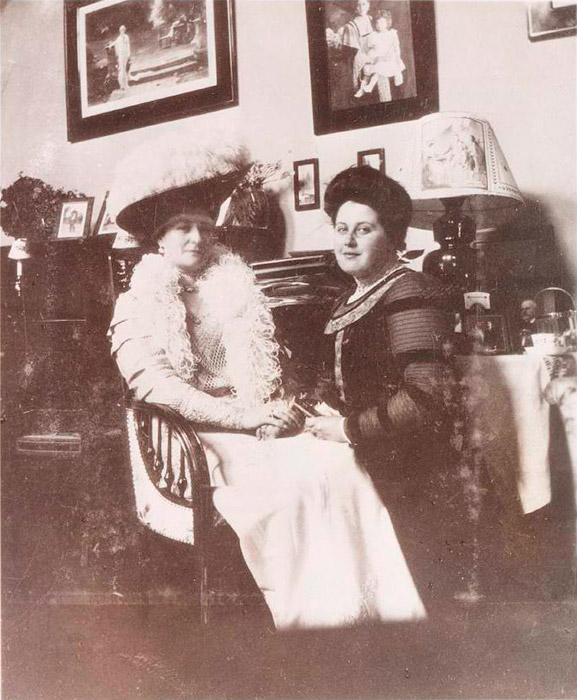
Anna Vyrubova (right) was the maid of honor, best friend, and confidante of Tsarina Alexandra Feodorovna Romanova. / Tsarskoye Selo, Alexandra Feodorovna and Anna Vyrubova
Press photo
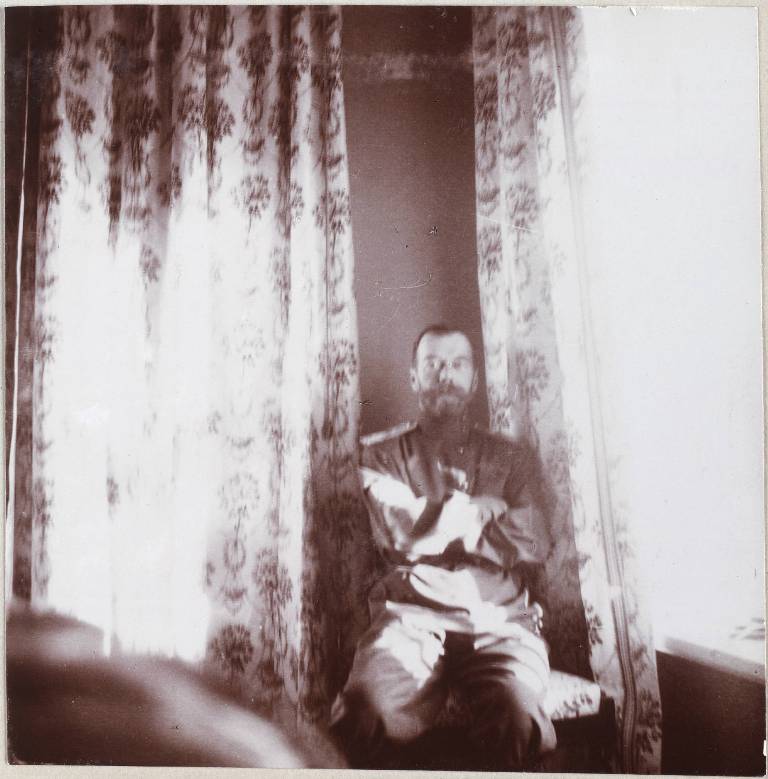
In January 1904, Anna Vyrubova was appointed maid of honor and entrusted with presiding over the balls and outings of Empress Alexandra Feodorovna. Having become a close friend of the Empress, she would spend many years with the royal family, accompany them on numerous trips, and be present at family ceremonies. Furthermore, for many years, she would be the Romanovs’ photographer. Her camera captured both celebrations and the daily life of the royal family. Several photo albums survived to this day and tell us about the life of the royal family. / Nicholas II in the children’s wing of the Alexander Palace
Press photo
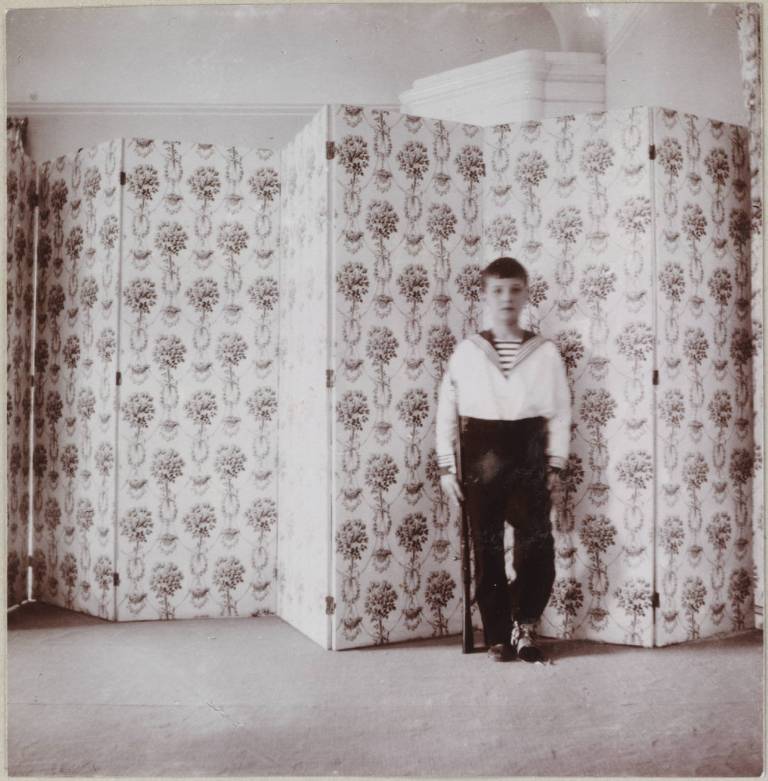
These photographs show the domestic life of the Romanovs without pomp or ceremony. The children play badminton, the Empress reads to Crown Princess Anastasia… / Crown Prince Alexei injured in the leg, Alexander Palace, the children’s wing
Press photo
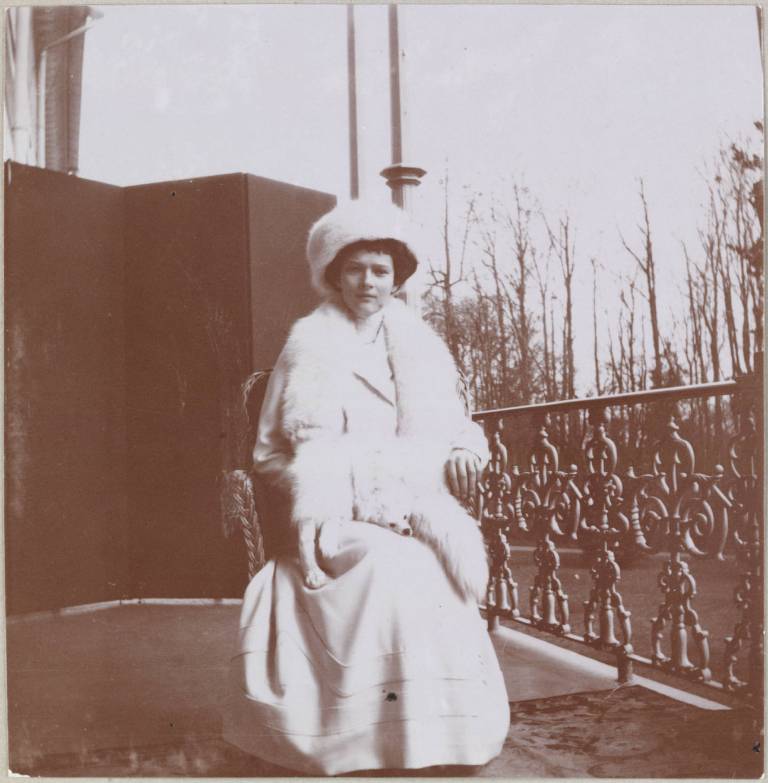
Nicholas II and Alexandra Feodorovna had four daughters—Tatiana, Olga, Anastasia, and Maria—and one son, Alexei. / Grand Duchess Tatiana, daughter of Emperor Nicholas II, on the palace balcony
Press photo
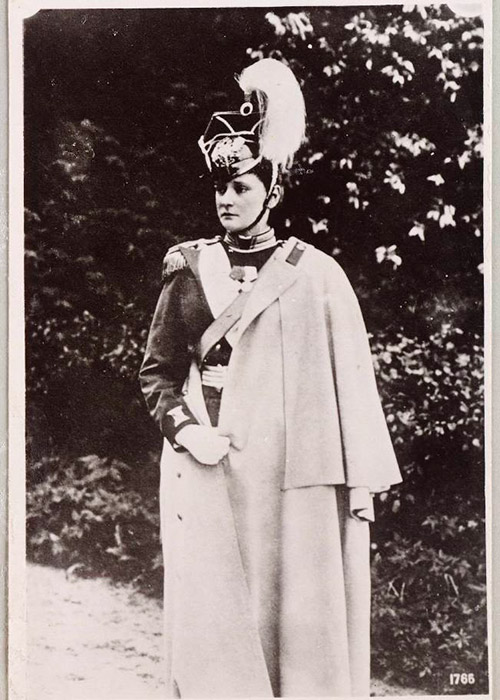
Alexandra Fyodorovna, the Emperor’s wife, in the uniform of Her Majesty’s Uhlan Regiment: from 1884 to 1917, the Empress commanded the regiment
Press photo
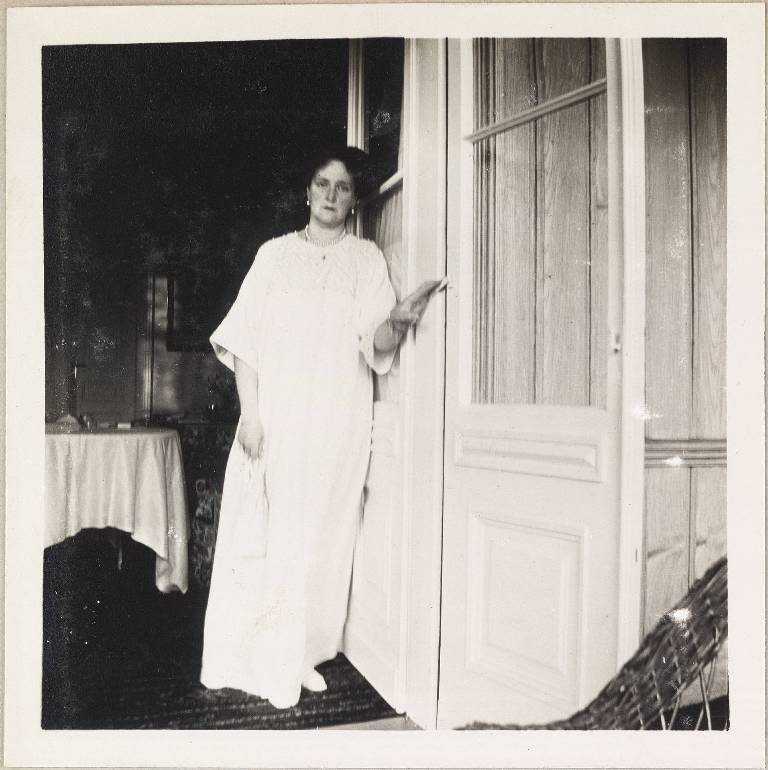
The Emperor’s only son suffered from hemophilia, a hereditary disease that prevents the body from controlling blood clotting, with each scratch resulting in serious consequences. / The Empress during an illness of Crown Prince Alexei
Press photo
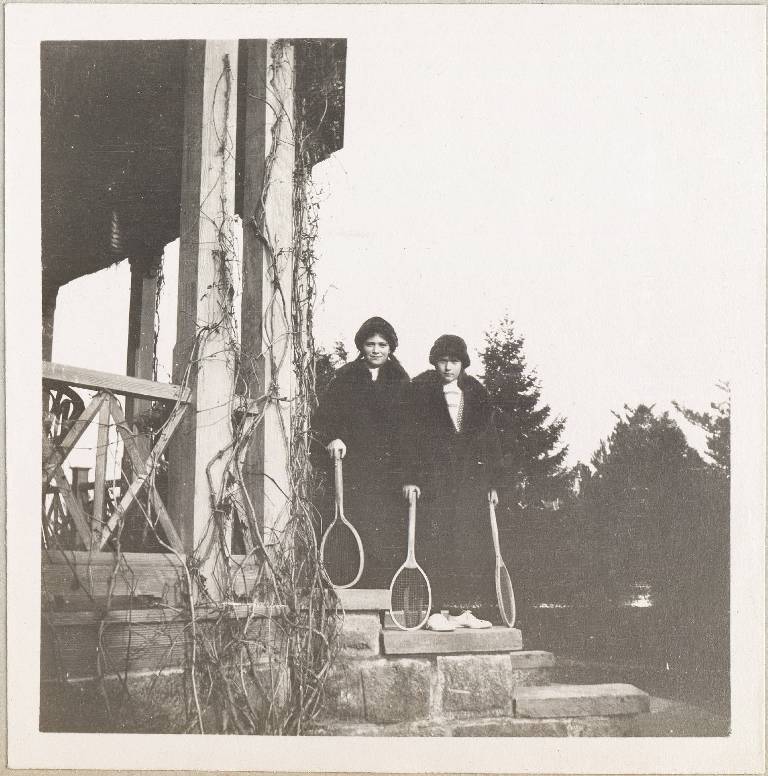
Princesses Maria and Anastasia (left) were the youngest and most sociable daughters. Encouraged by Anastasia, Maria took up tennis, a sport that had recently become popular. The girls sometimes got carried away with their pranks, knocking paintings and other precious objects off the palace walls.
Press photo
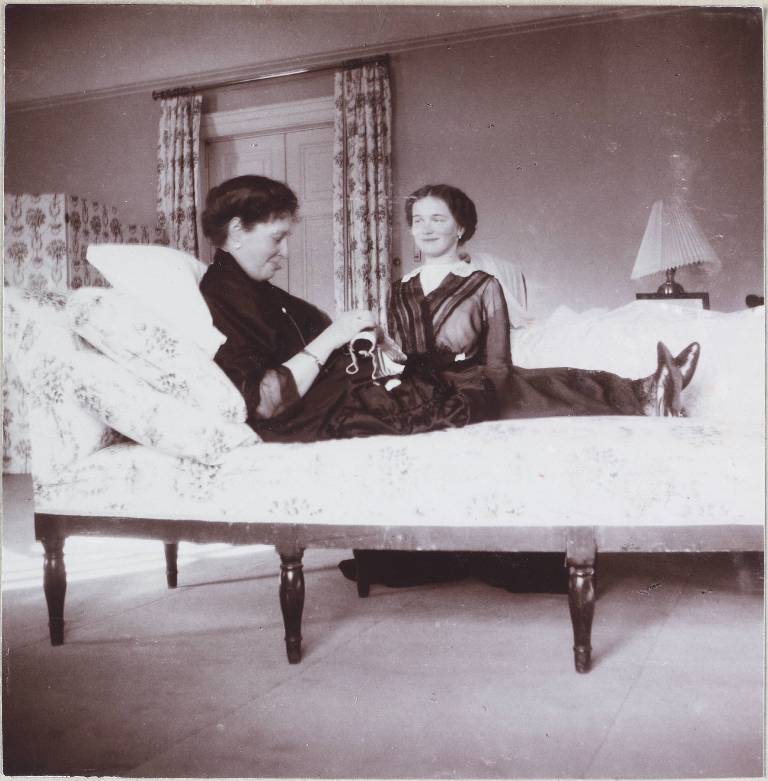
Olga was the eldest of the family. Anna Vyrubova would recall: “Olga Nikolaevna was remarkably intelligent and gifted, studies were child’s play for her, but she was sometimes lazy. She had a strong will, unwavering honesty, and great frankness, in which she resembled her Mother.” / Princess Olga (right) and Empress Alexandra Feodorovna
Press photo
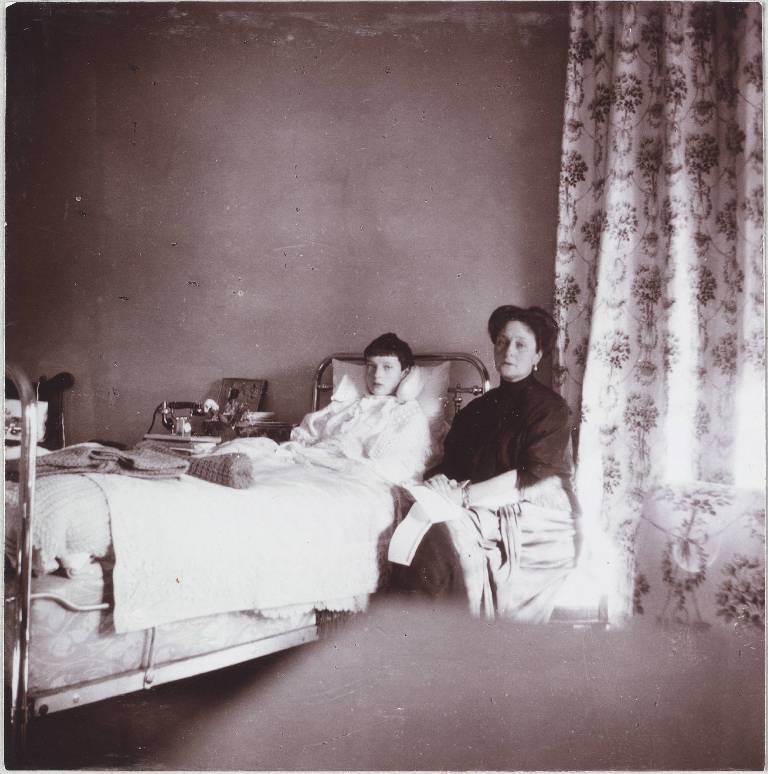
Alexandra Feodorovna at the bedside of Grand Duchess Tatiana. Tatiana Nikolaevna is ill with typhus and resting in the children’s wing of the Alexander Palace. Winter 1913.
Press photo
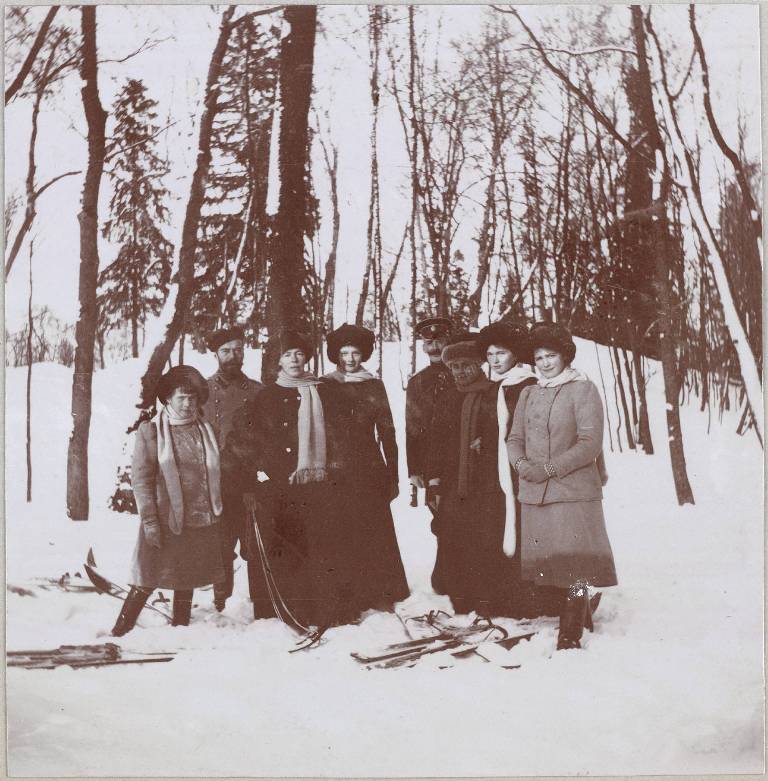
Olga (3rd from left), the youngest daughter of Alexander III and sister of Nicholas II, is one of the few Romanovs to have escaped the Bolsheviks with her family. She lived in Crimea with her mother, husband, and children under conditions resembling house arrest. / Nicholas II with his daughters and his sister Olga, an officer and a maid of honor with skis.
Press photo
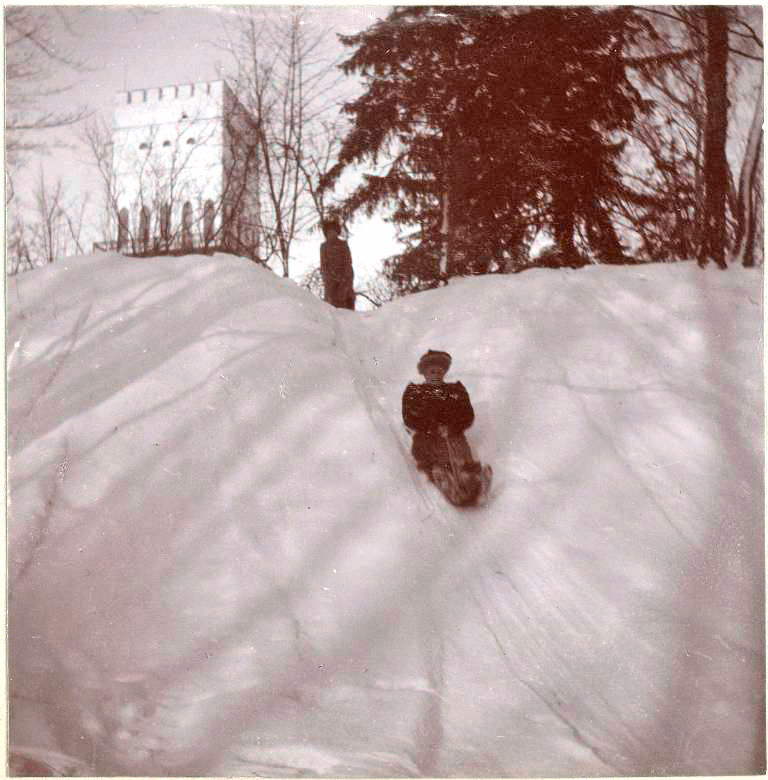
Sleigh ride around the Bastion near the White Tower, in the western part of the Alexander Palace. This park is located near the town of Pushkin, 680 km from Moscow and 25 km from Saint Petersburg. It is also known as Tsarskoye Selo.
Press photo
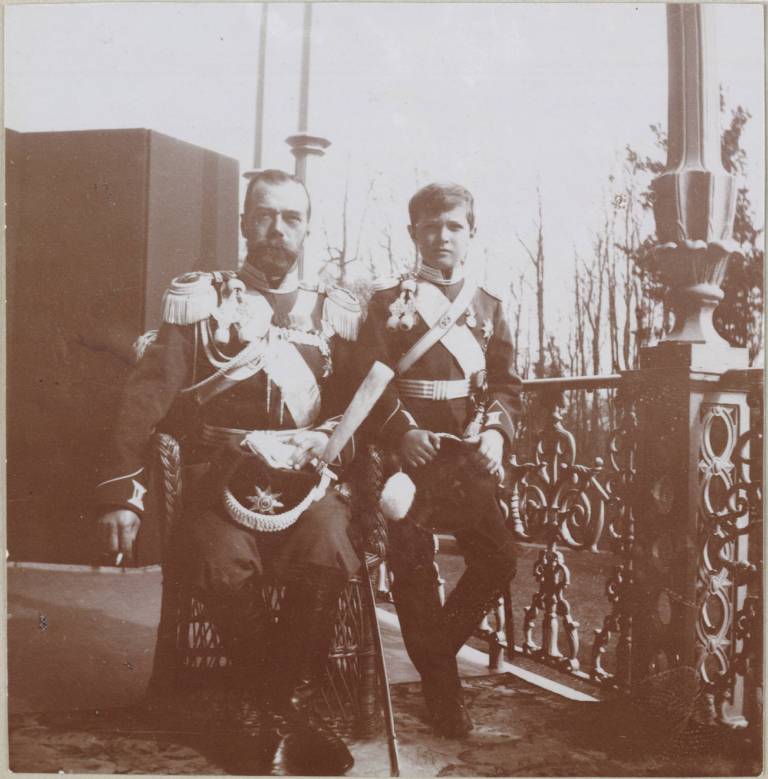
Nicholas II and his family spent most of their time at the Alexander Palace (Tsarskoye Selo) or at Peterhof. In summer, they stayed in Crimea at the Livadia Palace. Every year, the Tsar also stayed on the yacht Standard, sailing for two weeks in the Gulf of Finland and the Baltic Sea. / Father and son, Emperor Nicholas and Alexei, in the uniform of the Cossack Guards Regiment. Balcony of the Alexander Palace
Press photo
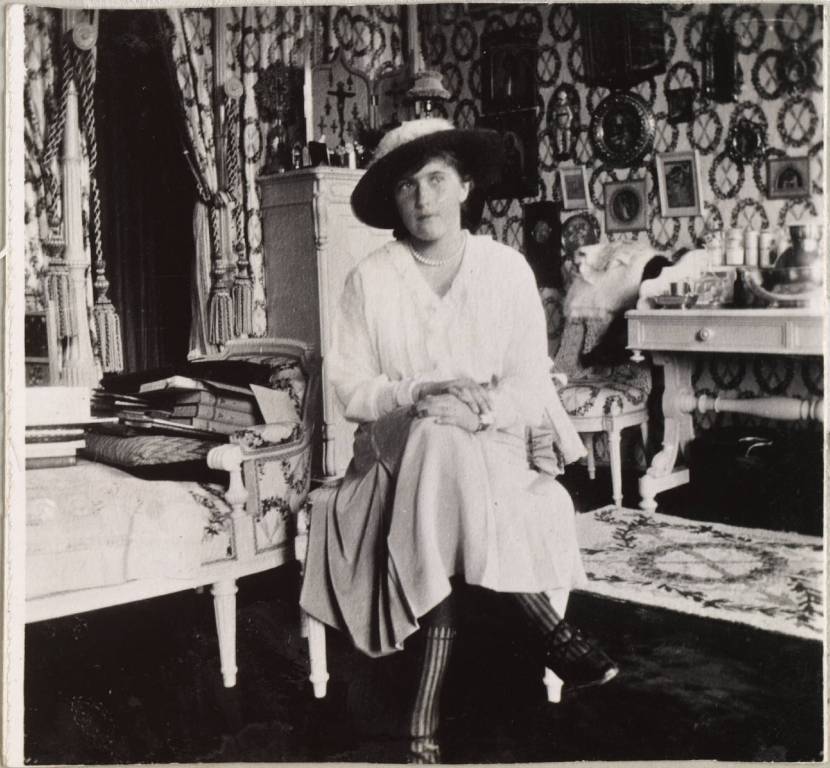
Princess Anastasia was executed with the other members of the Romanov family in 1919. After her death, 30 women claimed to be Princess Anastasia who had miraculously escaped the clutches of death. They were all exposed as impostors. / Anastasia in her parents’ bedroom. Tsarskoye Selo, Alexander Palace
Press photo
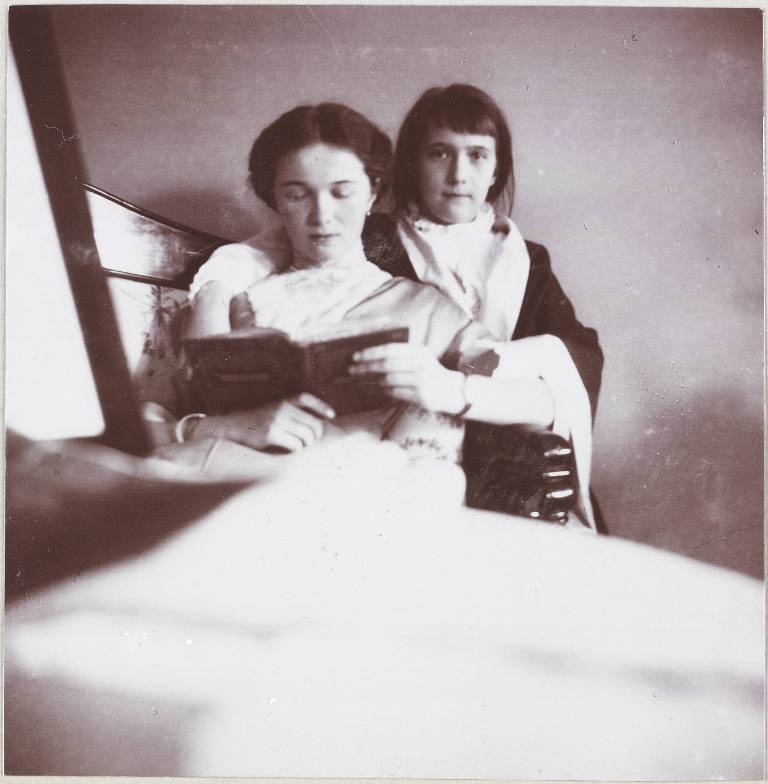
The children, four daughters and one son, were raised and educated together at the imperial palace. / Princess Olga (left) reading to Anastasia
Press photo
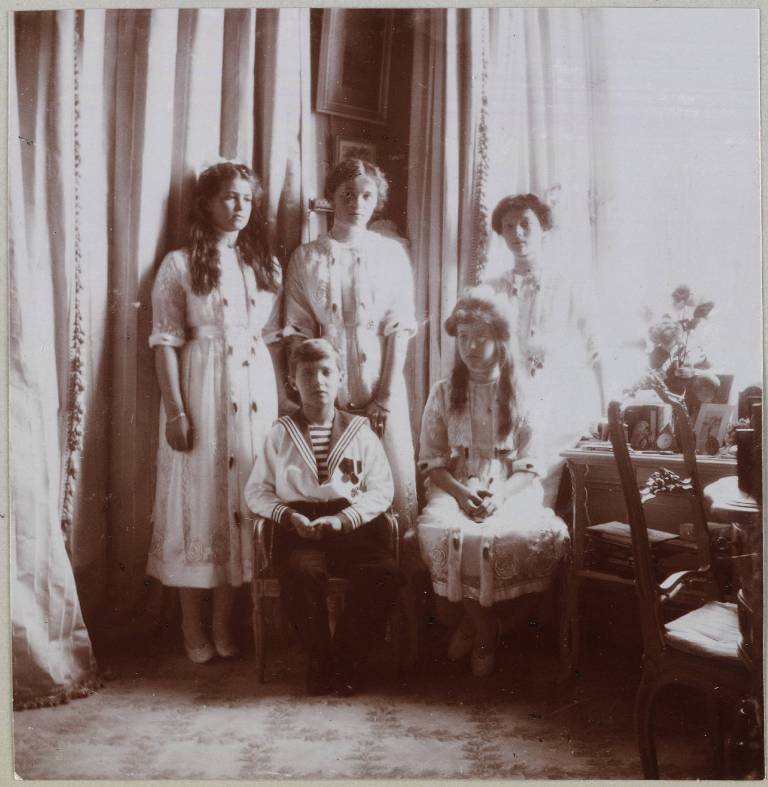
The Romanov children. The Empress’s Lilac Study at the Alexander Palace.
Press photo