
Marius Petipa
Sputnik
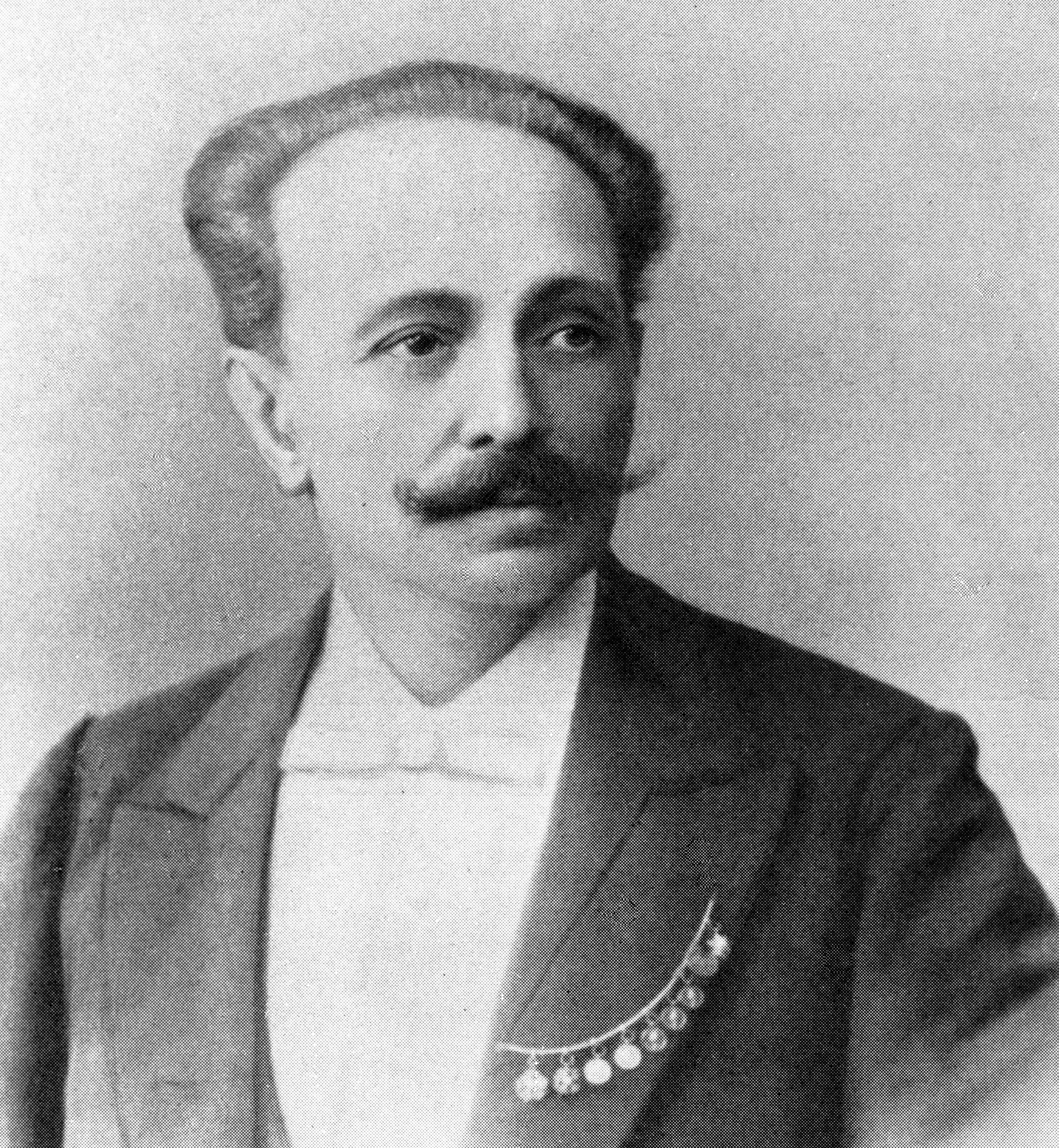
Marius Petipa’s name appears on the posters of Swan Lake, The Sleeping Beauty, La Bayadère, Giselle, Don Quixote, and The Nutcracker—the most famous ballets in the world. It is also easy to find his portrait: a kindly smiling old man with a carefully groomed grey beard. But as this anniversary approaches, there is only one thing we can state with certainty about him: we know almost nothing about the life of this figure who gave birth to the artistic phenomenon of Russian classical ballet.
Read also: Laurent Hilaire: “I am here to develop Russian culture”
A Legend in His Own Right
Petipa himself undertook to turn his story into a legend. Born in Marseille into a family of theatre men, he possessed an innate flair for success and a strong taste for adventure, without which it was difficult to forge a career in the artistic world. To secure contracts, Marius Petipa chose to alter his birth date, posing as his brother. His untamed temperament then led him into romantic escapades, which notably forced him to flee Spain in haste. He fought like a lion for every kopeck he could extract from impresarios or the Ministry of the Russian court. He also had no qualms about borrowing others’ ideas and even certain scenes from pre-existing ballets.
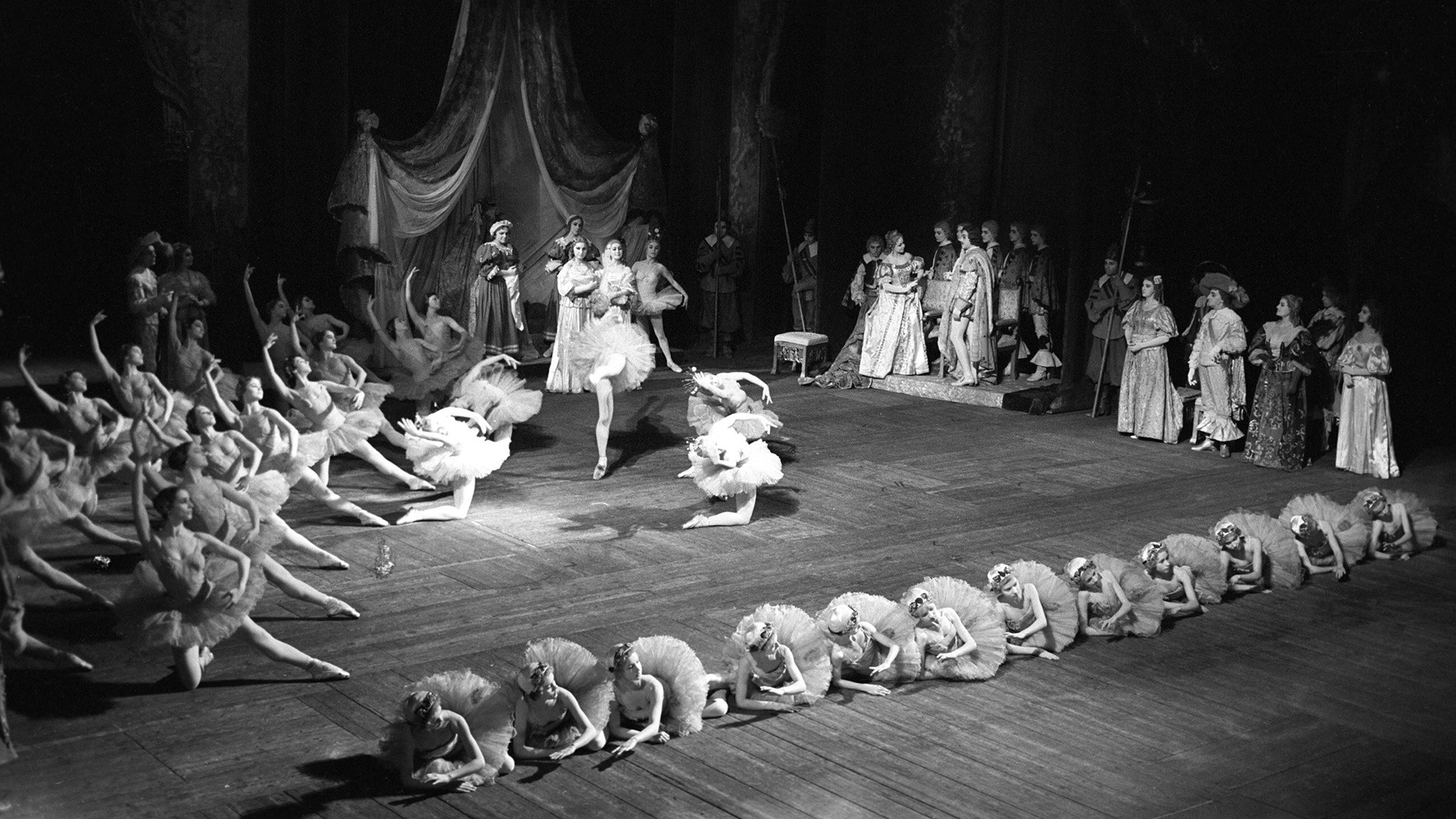
The Kirov Opera and Ballet Theatre, The Sleeping Beauty ballet. Choreography by Marius Petipa
Boris Riabinin/Sputnik
However, the first ballet master of the Imperial Theatres of Saint Petersburg, in his memoirs, created a true apocrypha based on his tumultuous, passionate life, full of triumphs but also disappointments and misfortunes. For a hundred years, his writings were re-edited more than once and served as the primary source of information for biographers.
Read also: Serge Diaghilev’s artistic revolution
Plagiarism or Originality?
It is equally complex to address his work. Petipa headed Russia’s Imperial Theatres for 40 of the 60 years he spent in the country. During this period, he created nearly a hundred ballets and dances within dozens of operas. Today, the name Petipa and the global legacy of classical ballet could very well be considered synonymous. He is indeed regarded as the editor, if not the author, of the most popular 19th-century ballets that have survived to this day, with the possible exception of La Sylphide by the Dane Auguste Bournonville. However, Petipa’s activity was far more diverse, and the significance of his work much broader.
It is undeniable that he did not create grand classical ensembles, that he did not bring national theatrical dance to the stage, that he did not introduce pointe work and the principle of ballet hierarchy, that he did not invent dance steps and pantomime, that system of plastic discourse characters used between dances. It is even possible that Petipa was not, as is often said, the most innovative composer of dance combinations, as he was criticized for borrowing from Jules Perrot and Arthur Saint-Léon. He did not, moreover, hide the fact that he attended classes at the Theatre School with Christian Johansson to benefit from original choreographic phrases. But Petipa was also the person who, at a time when ballet in Europe was degenerating into a show, secluded himself in distant Russia and carried out titanic work there. He unearthed the best troupe in the world and, in performances specially conceived for them, synthesized all the experience accumulated by the art of ballet over two centuries of professional existence.
Read also: The five classics that brought glory to Russian ballet
An Inexhaustible Source of Inspiration
Furthermore, in examining the choreographer’s legacy, his successors have tailored and cut the golden brocade of his productions according to the tastes of their era, constantly referring to his spirit and style. However, in the United States, at the Harvard University Library, the voluminous archives of Petipa’s assistant, Nikolai Sergeev, are preserved. These contain unique recordings of the ballet master’s productions, made at the beginning of the 20th century. They remained obscure until the early 21st century but now attest to the fact that even the authoritative Saint Petersburg versions of his biography were sometimes altered beyond recognition. Yet, it is precisely Petipa’s compositions, more than any others, that inspire his heirs, who in turn do not hesitate to borrow elements from him, revisit his work, transform it, and study it eternally.
The Nutcracker is certainly one of the most famous ballets in the world, and it too benefited from Petipa’s staging. Russia Beyond traces the history of this essential work here.
Source: https://fr.rbth.com