
Peter the Great
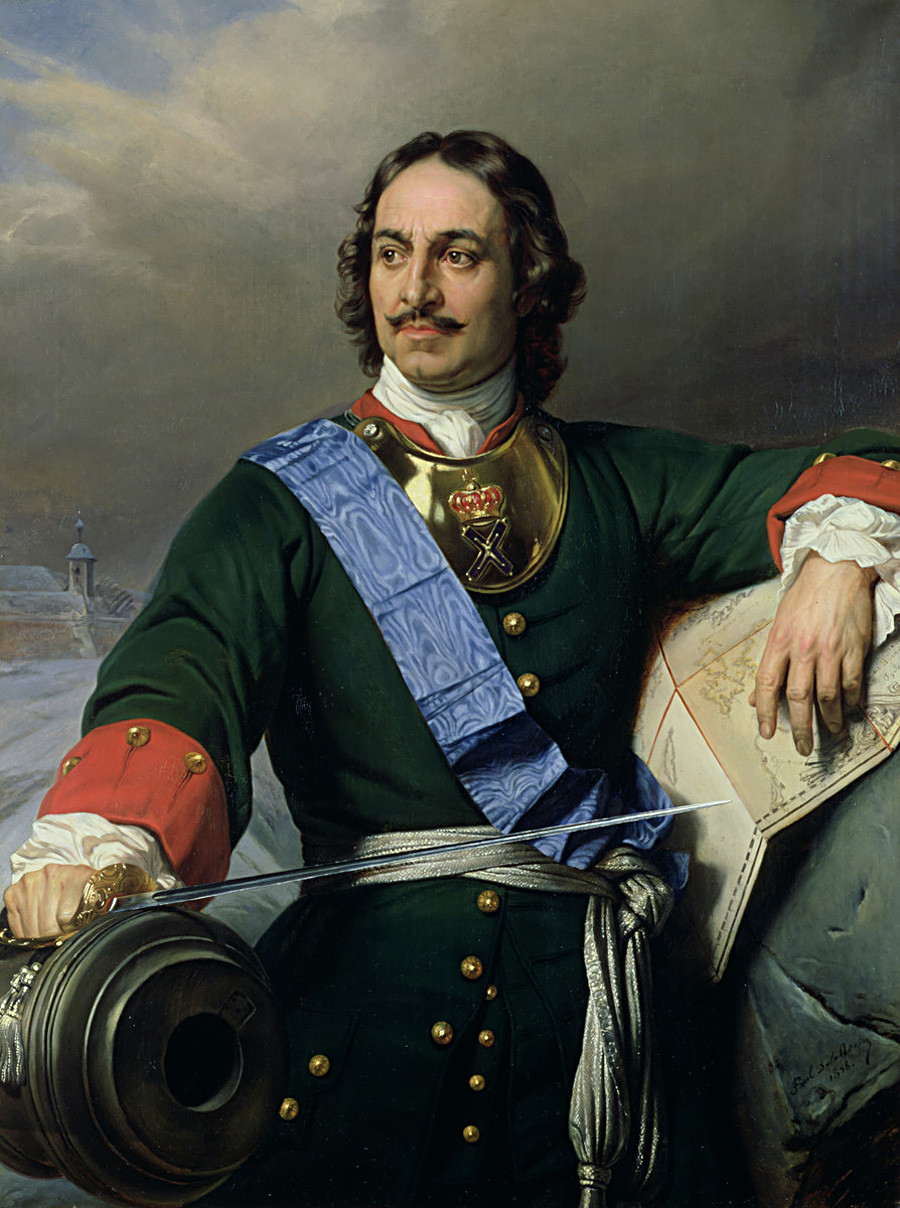
Peter the Great by Paul Delaroche
Hamburger Kunsthalle
The first Russian tsar to present himself as an “emperor” quite literally transformed the country’s appearance. He created the navy and built the city of St Petersburg, a window onto Europe. He also forced women to wear European-style clothing that revealed their breasts and compelled the boyars to shave their long beards.
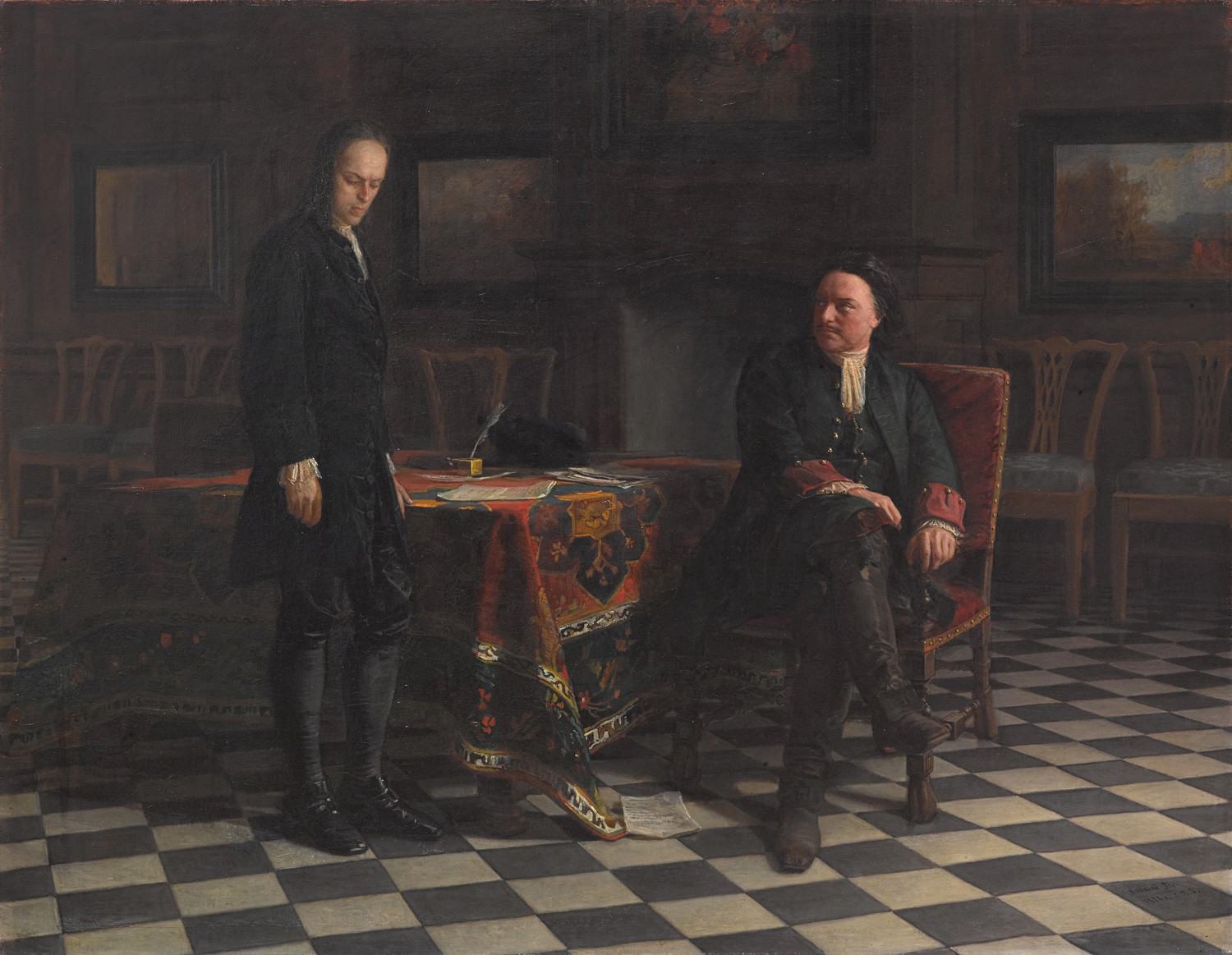
Like many geniuses, Peter was nervous and distrustful. He was determined to cling to power and believed that his own son, Alexei, was plotting a coup—so he had him arrested and imprisoned in the Peter and Paul Fortress. The young heir died there, but it is not known exactly of what (probably as a result of torture).
Read also: The last ball of the House of Romanov
Anna Ioannovna
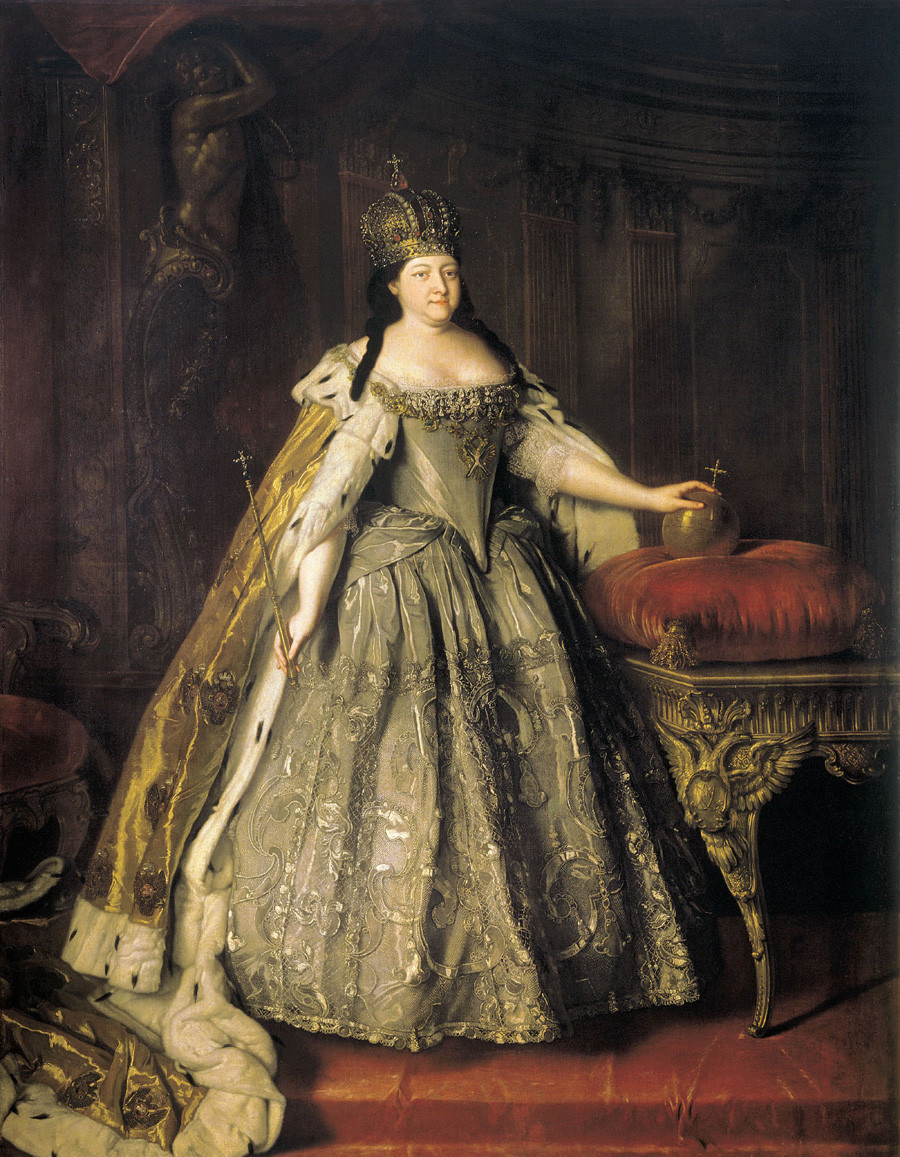
Portrait of Empress Anna Ioannovna by Louis Caravaque
Tretyakov Gallery
Anna, Peter the Great’s niece, spent 20 years in the Duchy of Courland. She was asked to take the Russian throne in 1730 after the death of her uncle’s grandson, Peter II. She brought her protégé and lover, Ernst Biron, from Courland to St Petersburg—for a decade, he ruled the empire from the shadows, becoming the most powerful man in the country.
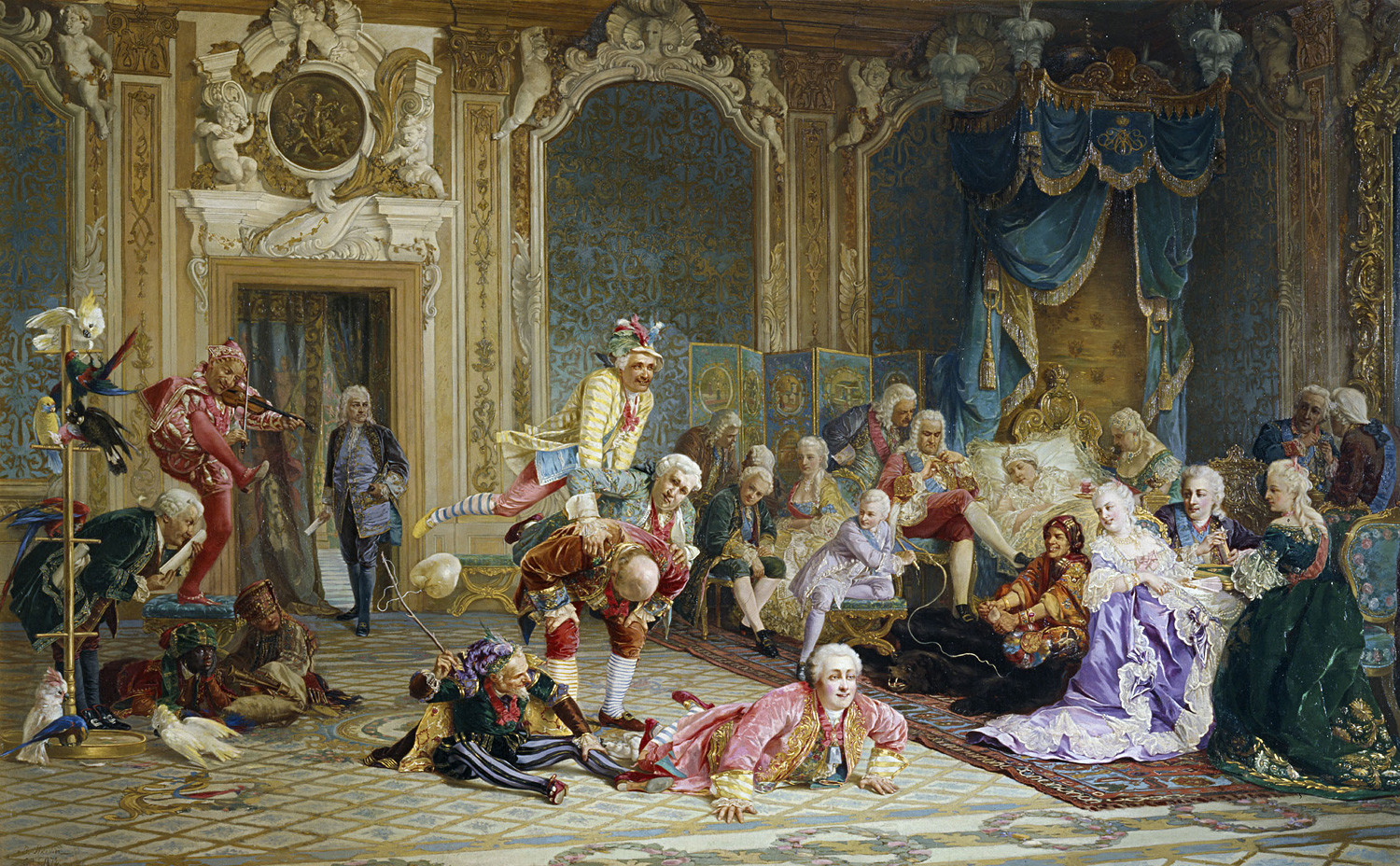
Jesters at the Court of Empress Anna by Valery Jacobi
Tretyakov Gallery
Anna showed little interest in politics. She enjoyed court gossip and was somewhat reminiscent of a kind of Russian Louis XIV—an extravagant ruler who surrounded herself with many court jesters and spent large sums on entertainment.
Elizabeth Petrovna
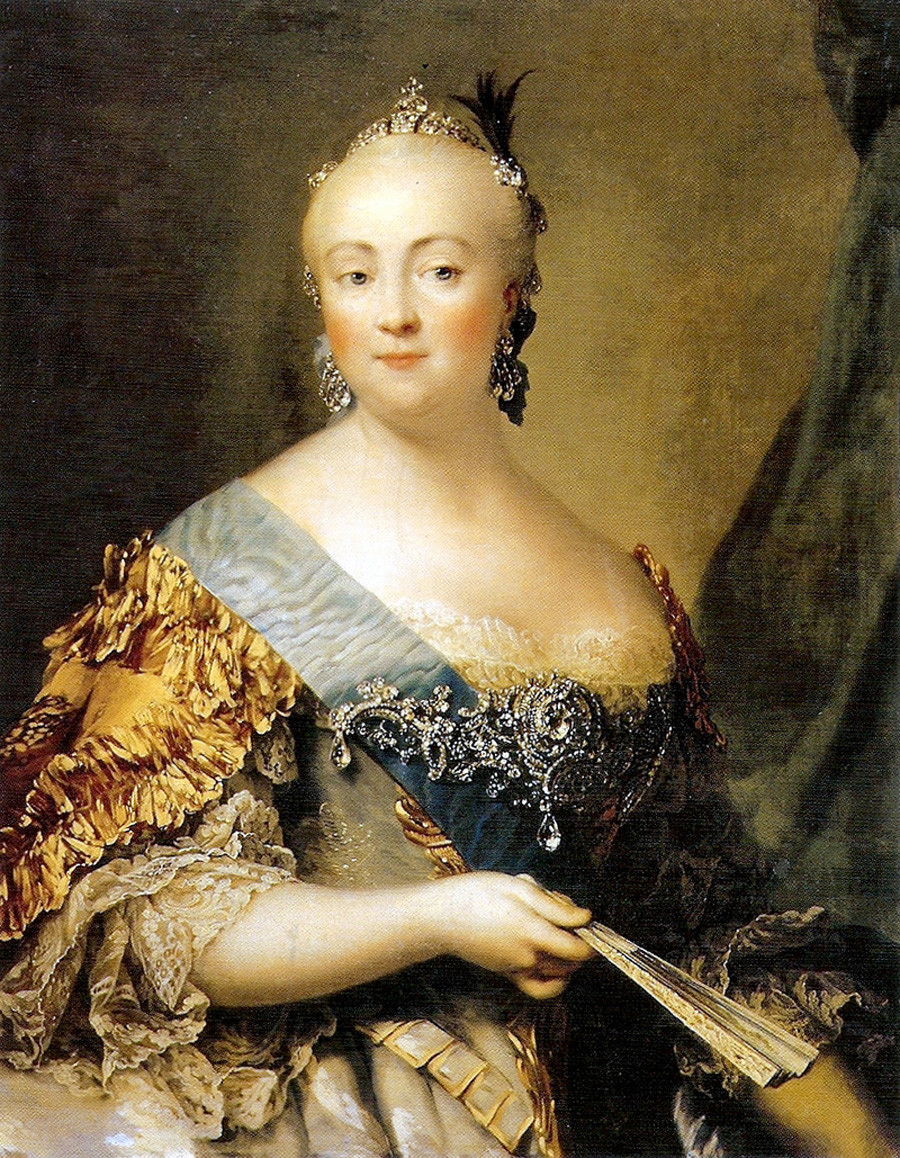
Portrait of Elizabeth by Vigilius Eriksen
Tsarskoye Selo State Museum
Elizabeth Petrovna was the daughter of Peter the Great, and her reign was best known for its commitment to the Enlightenment. She founded Moscow University, developed the national theatre, and established the Academy of Arts. She virtually abolished the death penalty in Russia—capital punishment was not carried out during her reign.
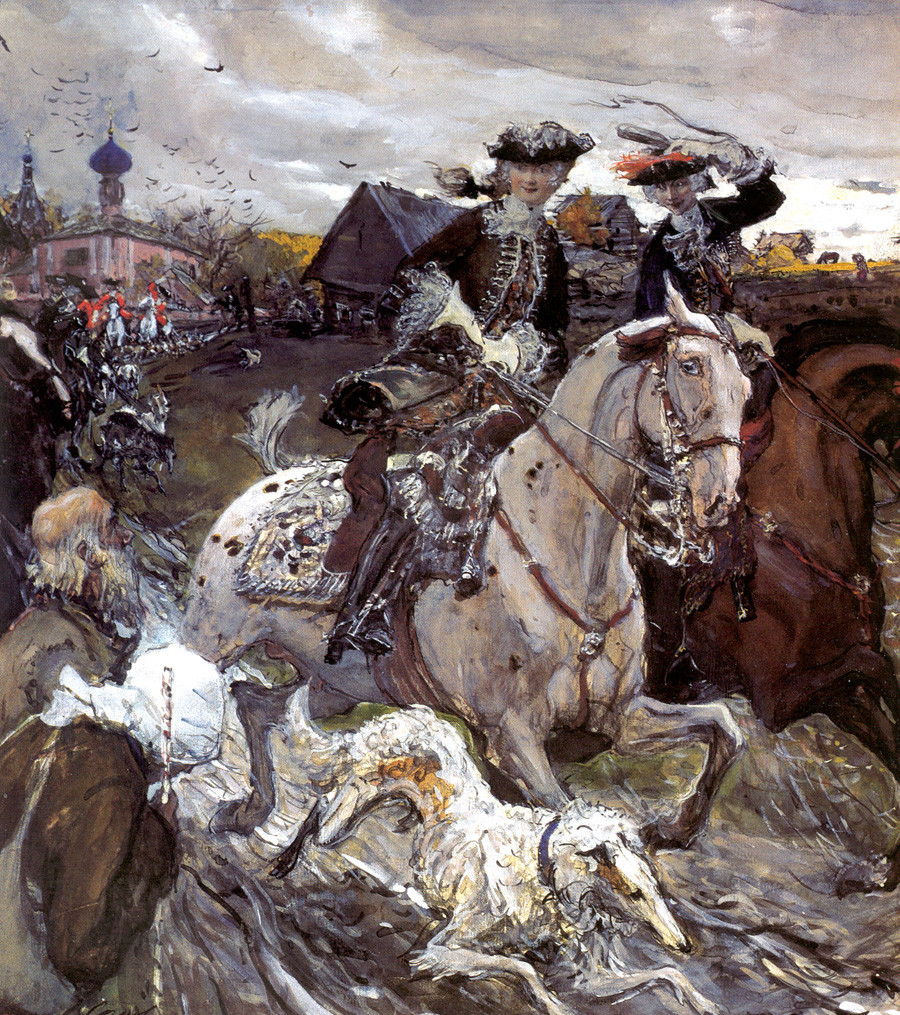
Peter II and Princess Elizabeth hunting with dogs by Valentin Serov
Russian Museum
Elizabeth was very close to her nephew, the young Tsar Peter II, and they often held parties together and went hunting and on long walks. A court even discussed their possible marriage—had it happened, she would have become empress much earlier, but she waited 11 years and two other tsars before launching a coup.
Read also: Maria Romanova, empress and tireless benefactress
Catherine the Great
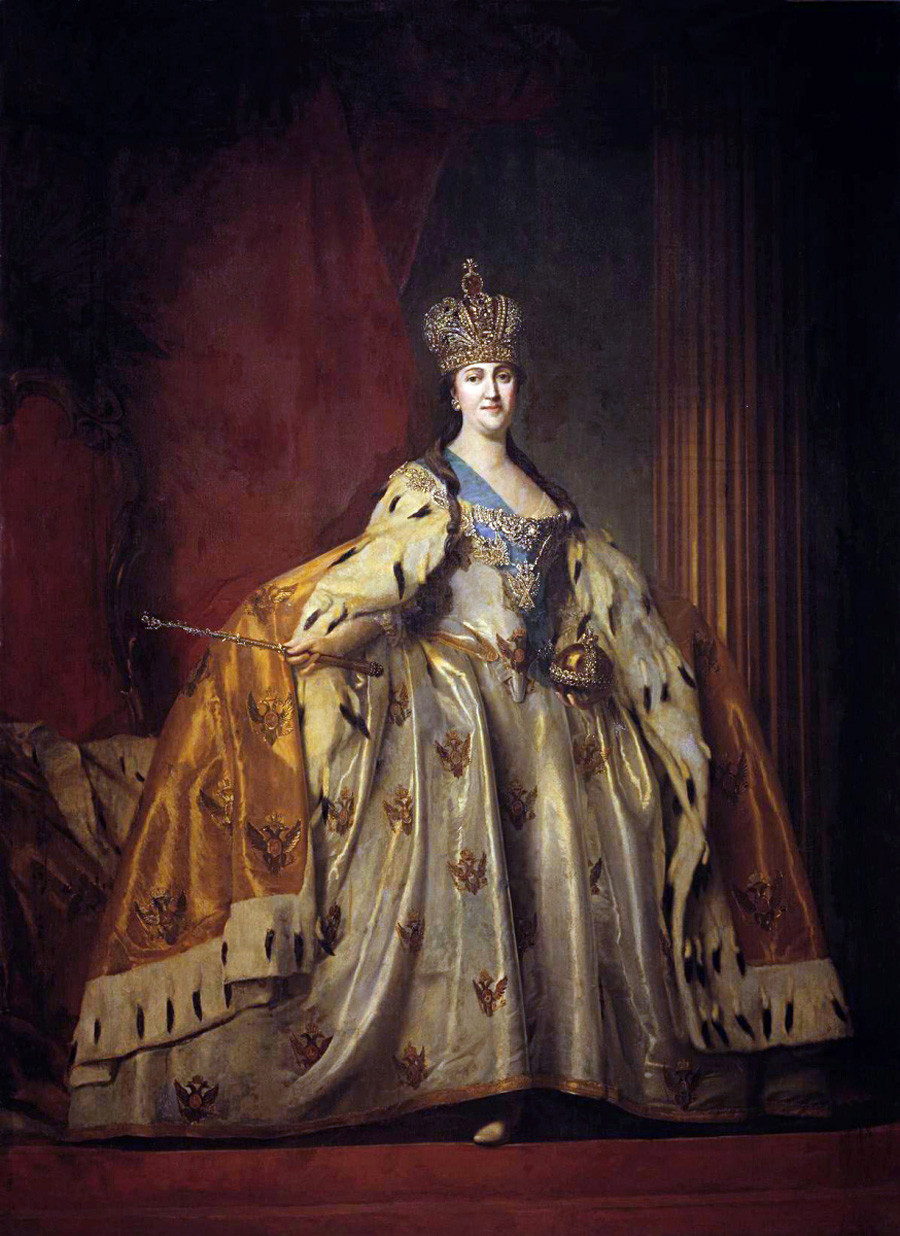
Catherine the Great by Vladimir Borovikovsky, 1779
Krasnodar Regional Art Museum
This incredibly powerful German princess had one of the longest reigns of all the tsars (34 years). She deposed her own husband, the strange and feeble-minded Emperor Peter III, who clearly preferred Germany to Russia.
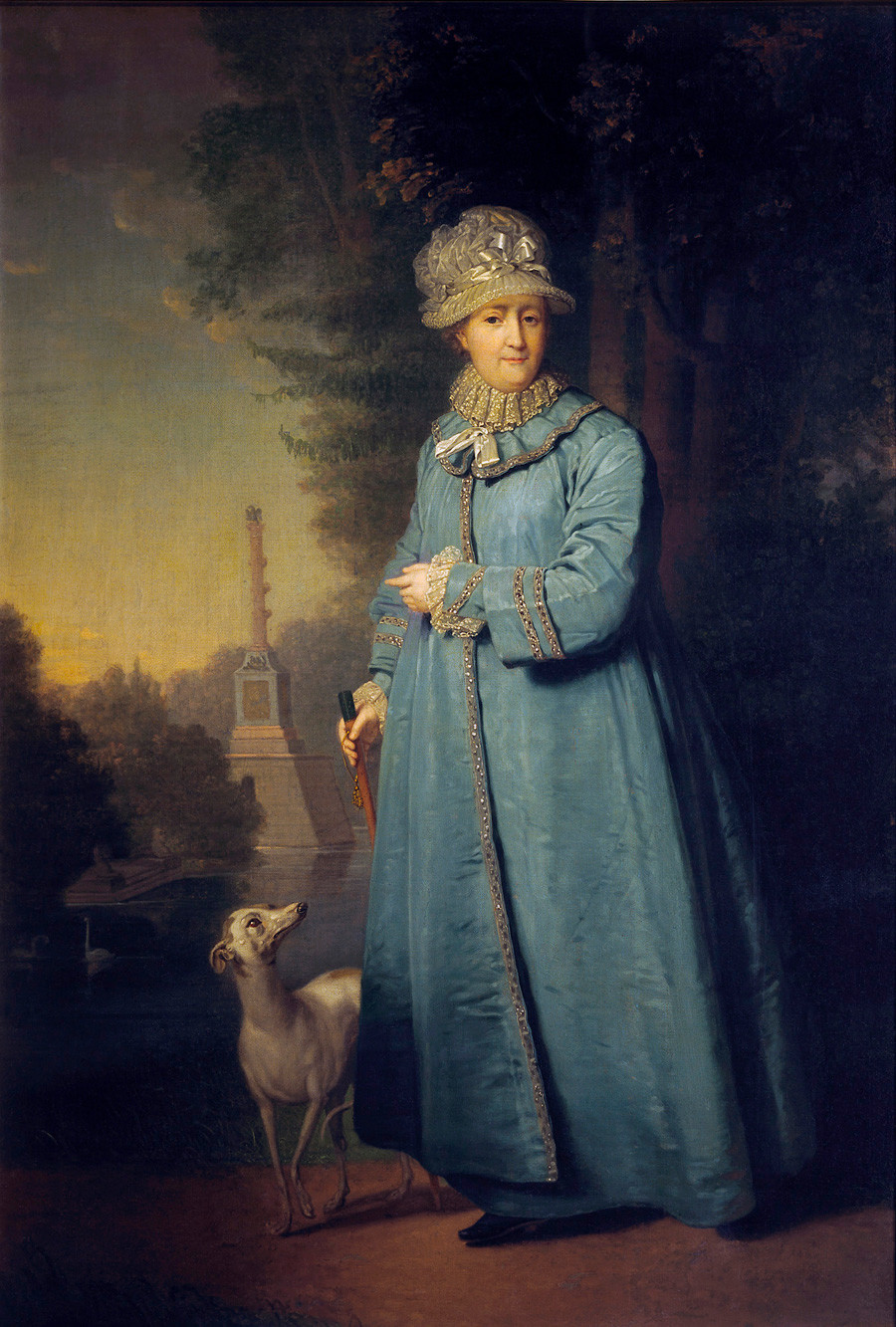
Catherine the Great walking in Tsarskoye Selo Park by Vladimir Borovikovsky, 1794
Tretyakov Gallery
Catherine was a progressive monarch and even exchanged letters with Voltaire and Montesquieu. Even in old age, Catherine had many lovers and favourites, giving them costly gifts and even palaces. When she was 60, her youngest lover was only 20. She frequently travelled between St Petersburg and Moscow—she built several palaces along the route so that she could stop along the way and relax in luxurious surroundings. She stayed only once in some of these residences.
Paul I
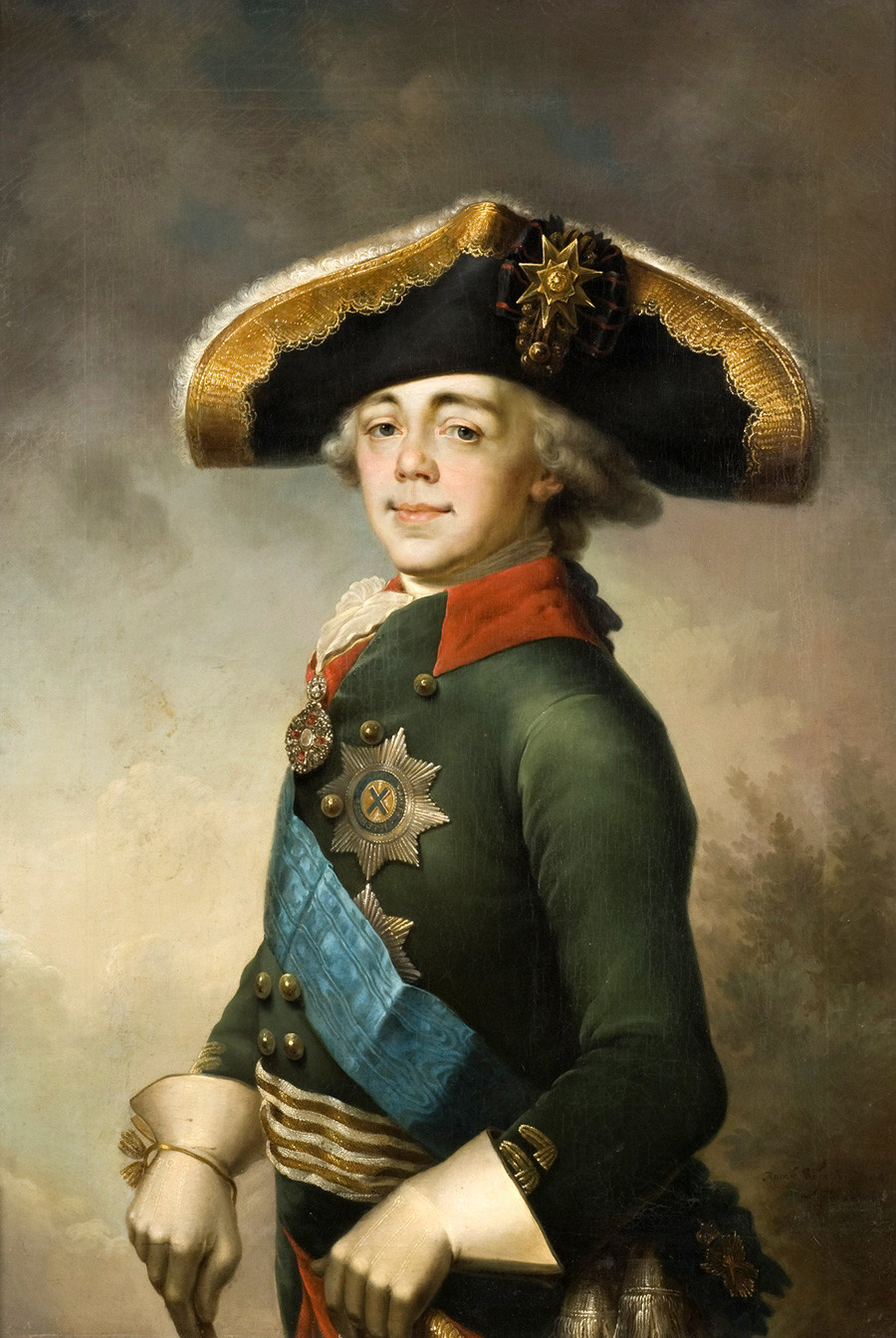
Portrait of Emperor Paul I by Vladimir Borovikovsky
Novgorod Museum-Reserve
The weak son of the powerful Catherine was not a man of great intelligence, like his father Peter III. Moreover, he had a fragile nervous system. As a little boy, he loved military games, uniforms, and marching, often organising them at the Gatchina Palace.
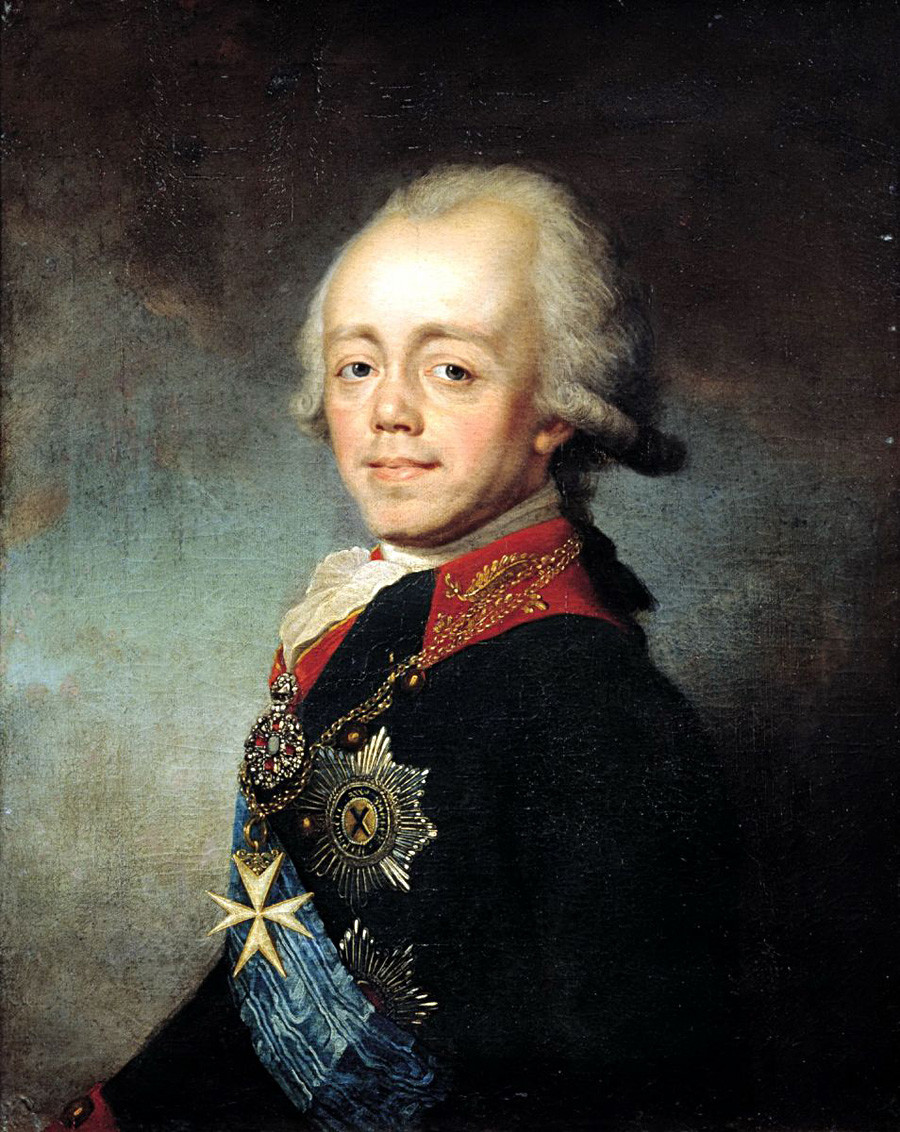
Portrait of Emperor Paul I by Stepan Shchukin
Russian Museum
Paul saw betrayal everywhere and was extremely afraid of being assassinated. That is why he built the Mikhailovsky Castle in St Petersburg with strong defences, including trenches around the grounds, modelled on a medieval fortress. However, fate caught up with him and he was killed in his own bedroom at the castle—moreover, his son was aware of the preparations for the murder but did nothing to stop it.
Read also: House of Romanov: the social directory of the imperial family
Alexander I
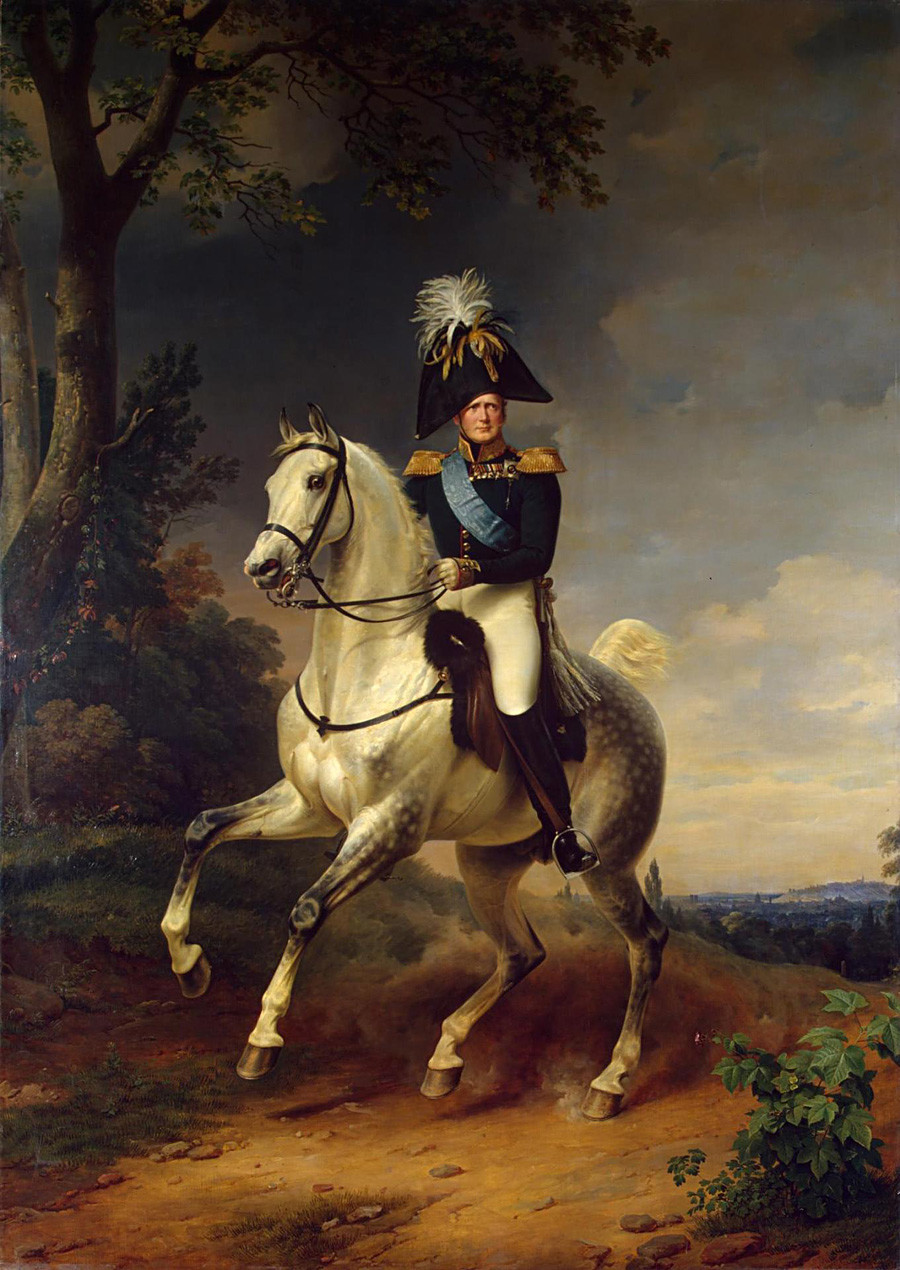
Portrait of Alexander I by Franz Kruger, 1837
Hermitage Museum
This son who knew about Paul’s murder was Alexander I. He was Catherine the Great’s favourite grandson and was destined to rule like his grandmother. He was an enlightened tsar, whose reign was a fruitful era for the nobility.
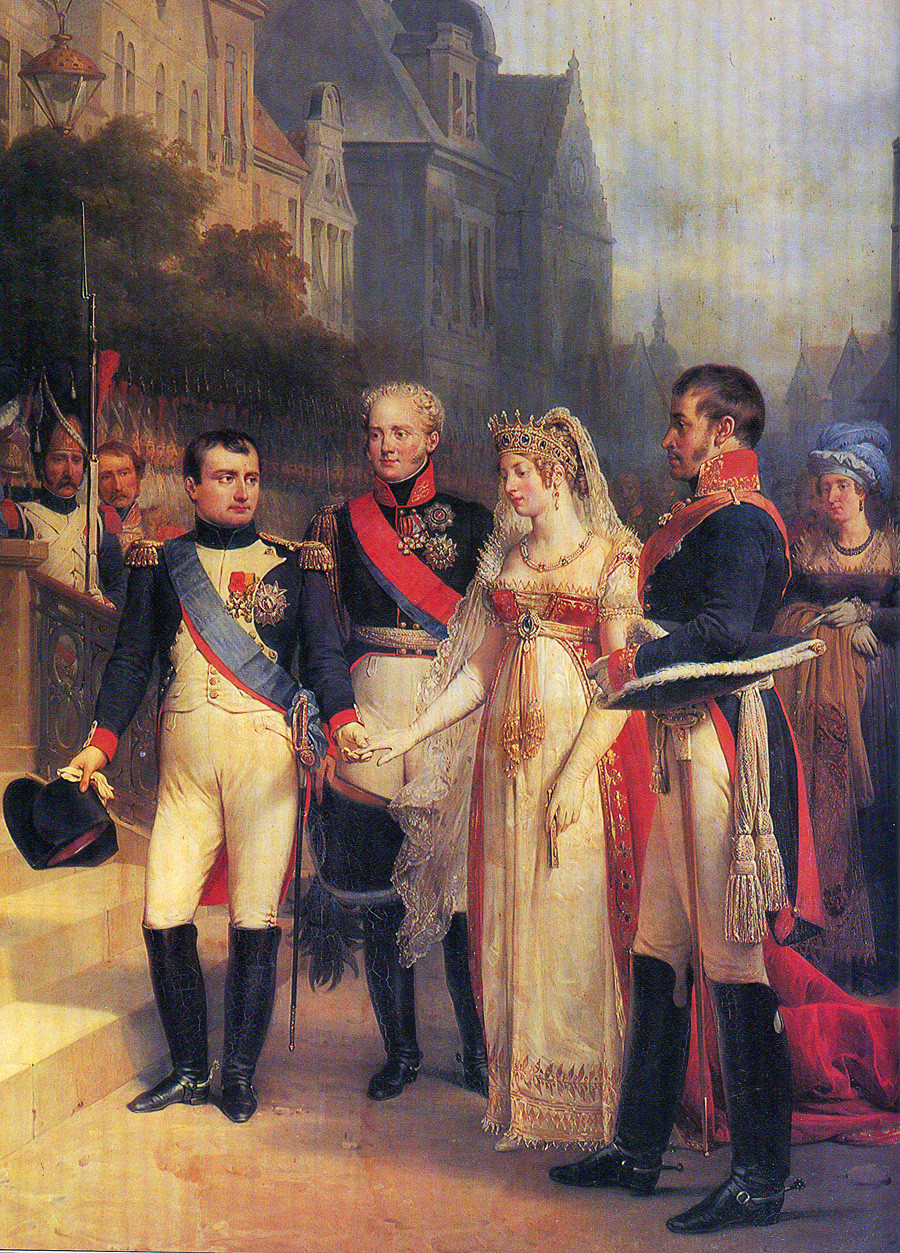
Meeting at Tilsit. Napoleon, Alexander I, Louise and Frederick William III of Prussia by Nikolas Gosse, 1807
Public domain
Alexander I was praised as a defender of the country against Napoleon, freeing Europe from his domination. The only problem is that he did not really want to rule and was very mild-mannered. That is why, when he died young in southern Russia, some people claimed that he had in fact staged his own death, put on a monk’s robes, and fled to live in hiding.
Nicholas I
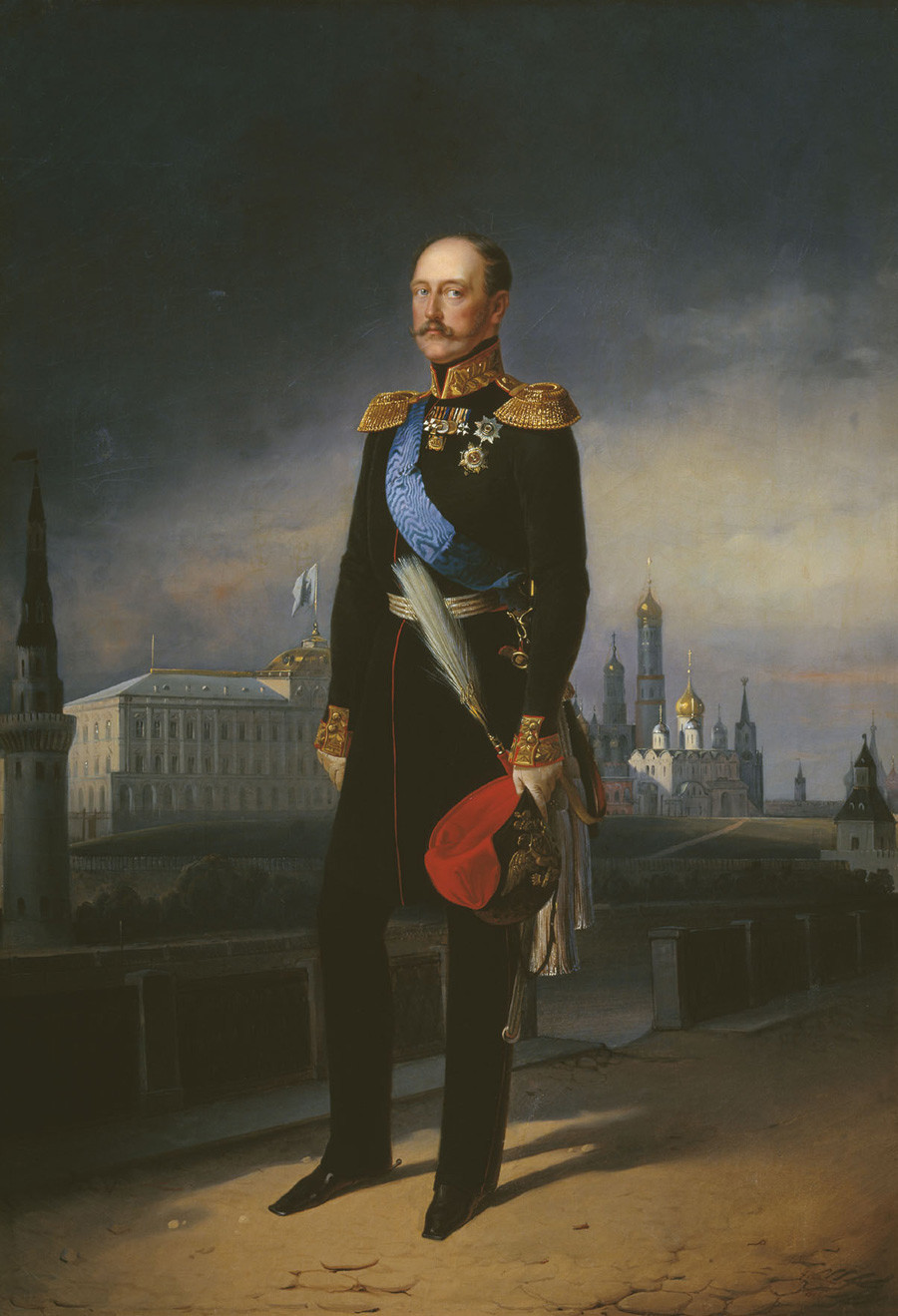
Portrait of Nicholas I by Egor Botman
Pushkin Museum
Compared with his brother Alexander, Nicholas was a harsh ruler who created the Third Section, Russia’s first secret police, tasked with monitoring people and political discussions. Censorship was incredibly strict at that time.
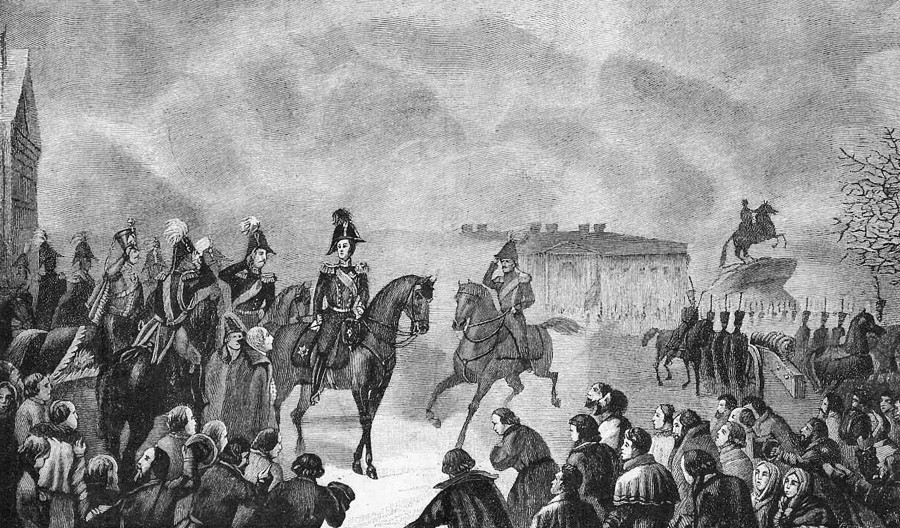
Nicholas I on Senate Square in St. Petersburg on December 14, 1825
Public Domain
During the relatively free reign of Alexander I, his nobles finally saw how Europeans lived and decided that Russia needed its own constitution and an end to its absolute monarchy. Secret societies, salons, and meetings gave rise to the Decembrist uprising on Senate Square in St Petersburg—but it was brutally crushed.
Alexander II
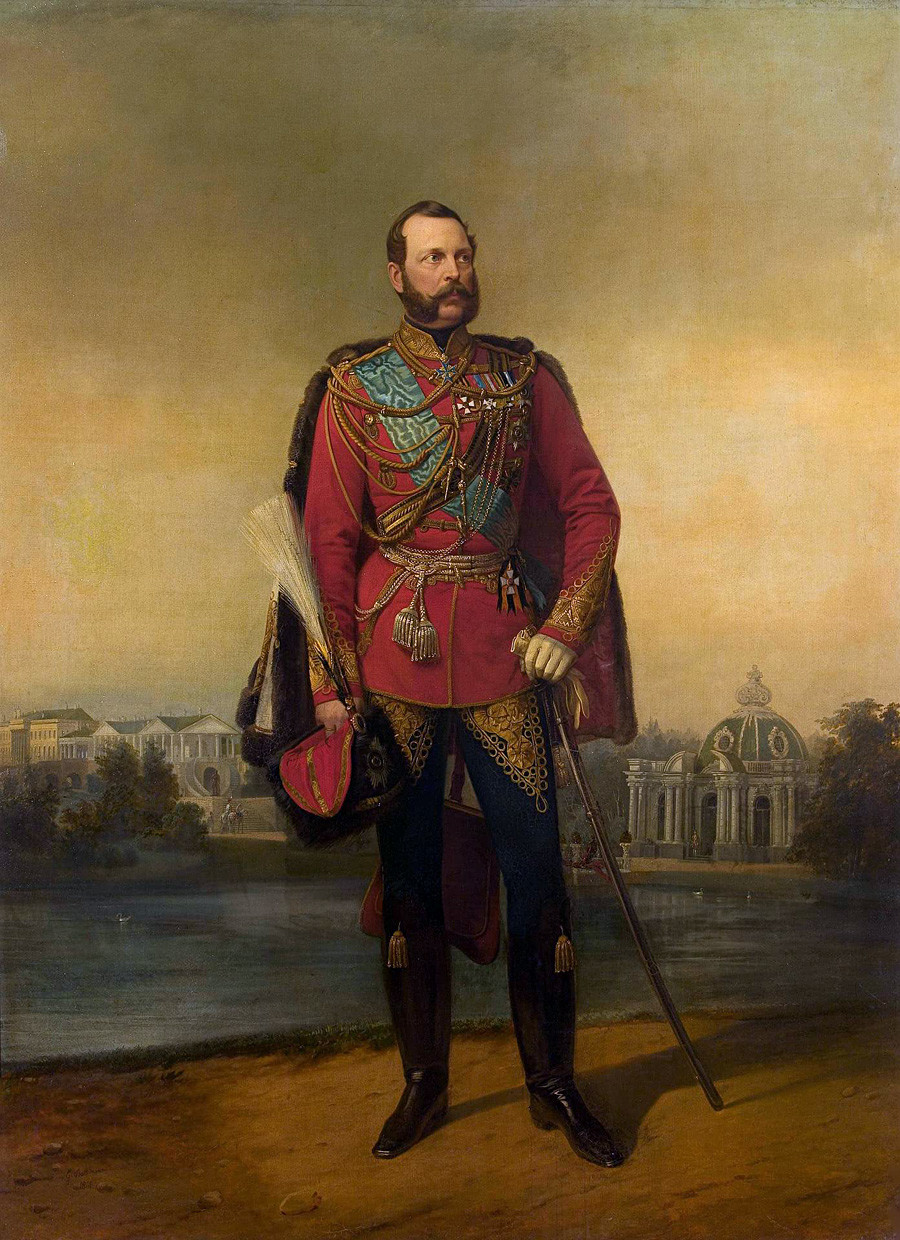
Portrait of Alexander II by Egor Botman
Hermitage Museum
The style of government changed somewhat over the course of the 19th century, as Alexander I’s freedom gave way to Nicholas I’s censorship and secret-police gendarmes, before certain freedoms were restored under Alexander II.
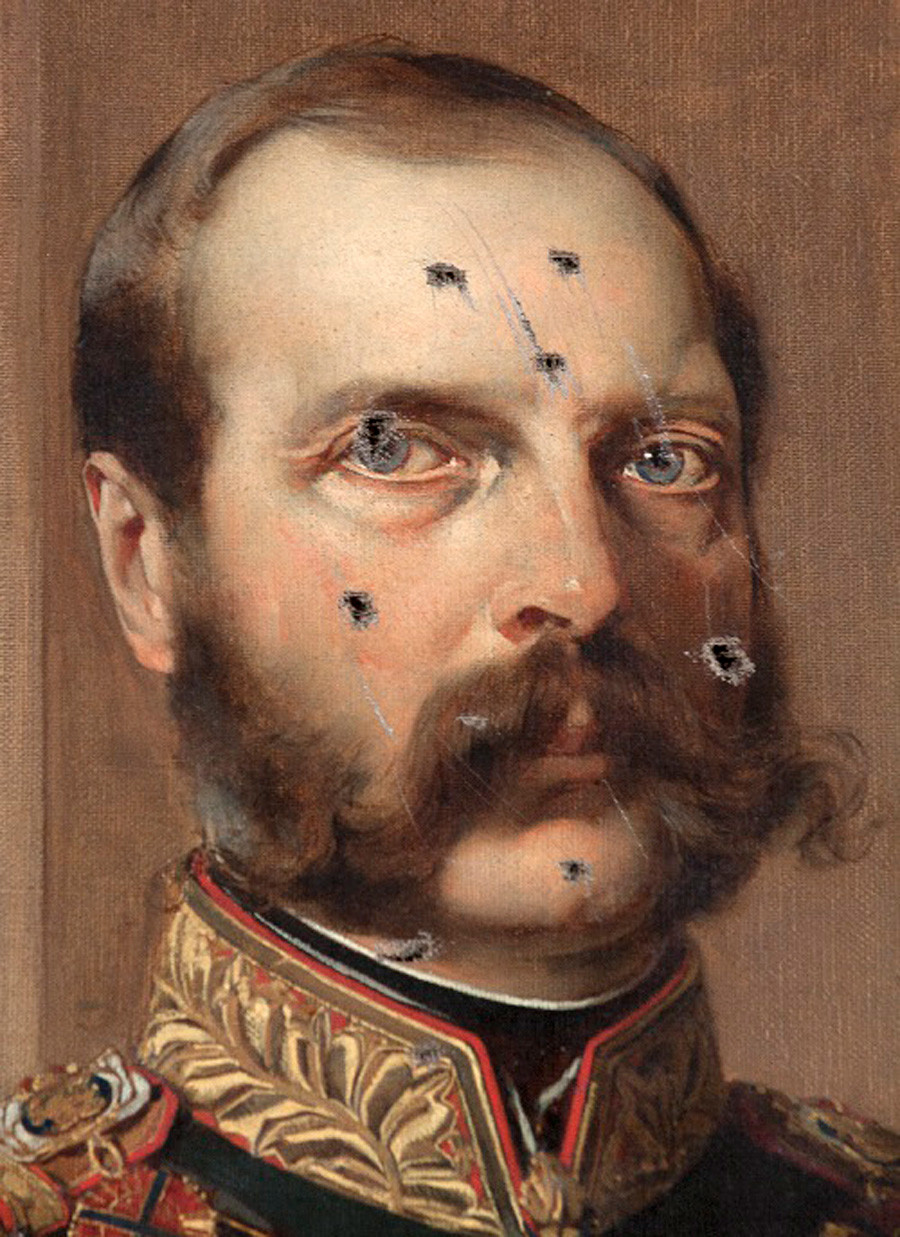
Portrait of Alexander II in the Hermitage stabbed by bayonets
Hermitage Museum
But when people felt this wind of freedom, they began uprisings and even engaged in revolutionary terrorism, as evidenced by the reign of Alexander II. He was the liberator of the peasants and abolished serfdom in Russia—but there were several attempts on his life, and he ultimately died in a bomb attack. Even after his death, people still tried to attack him, as shown by the strike marks on the painting inflicted during the Bolshevik Revolution.
Alexander III
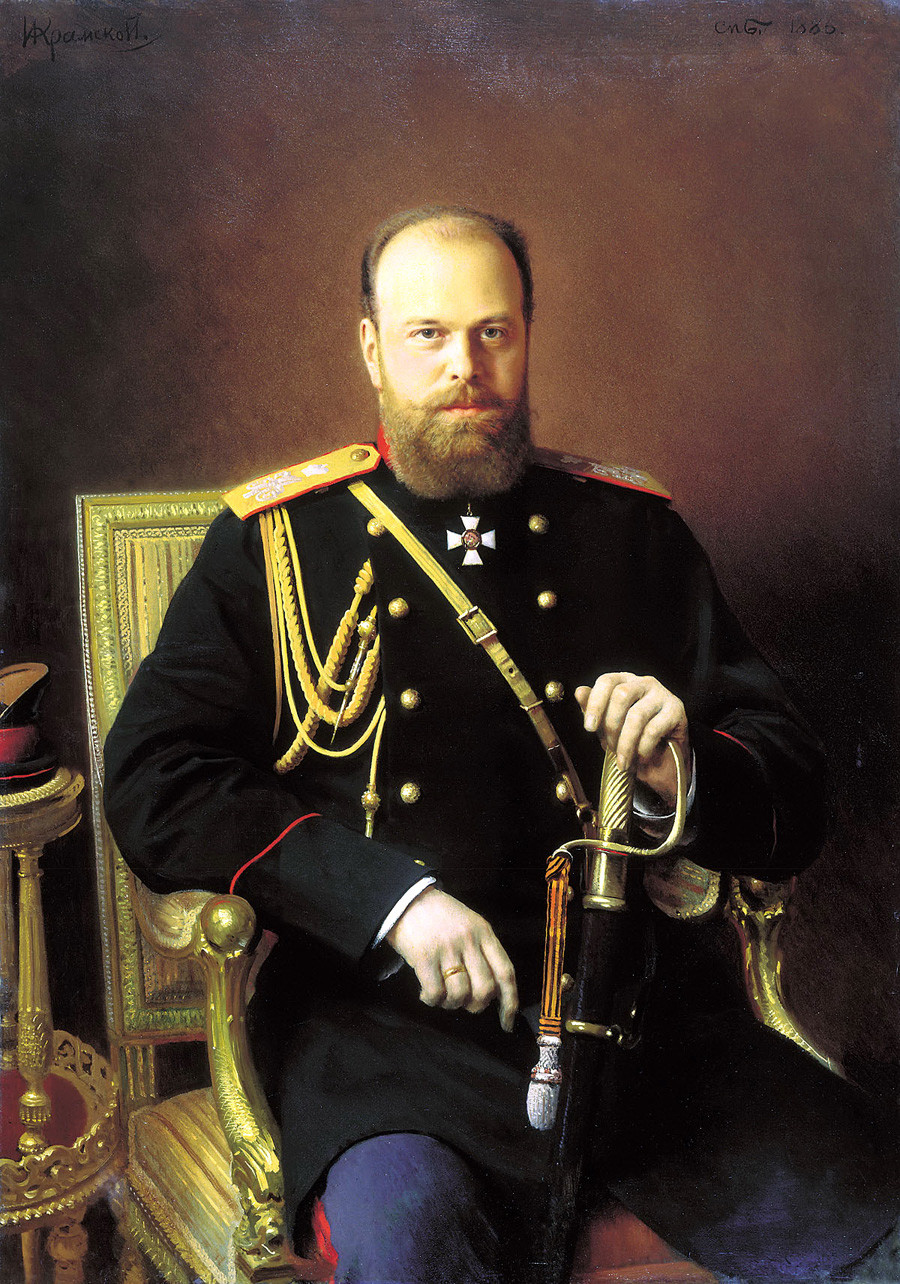
Portrait of Alexander III by Ivan Kramskoi
Russian Museum
Alexander III was a typical Russian man—tall, strong, and courageous. One day, while travelling with his family, they were involved in a terrible train accident that caused many casualties, including servants and attendants—however, the royal family miraculously survived uninjured. Alexander III even held up the roof of a carriage on his shoulders until help arrived, like Atlas.
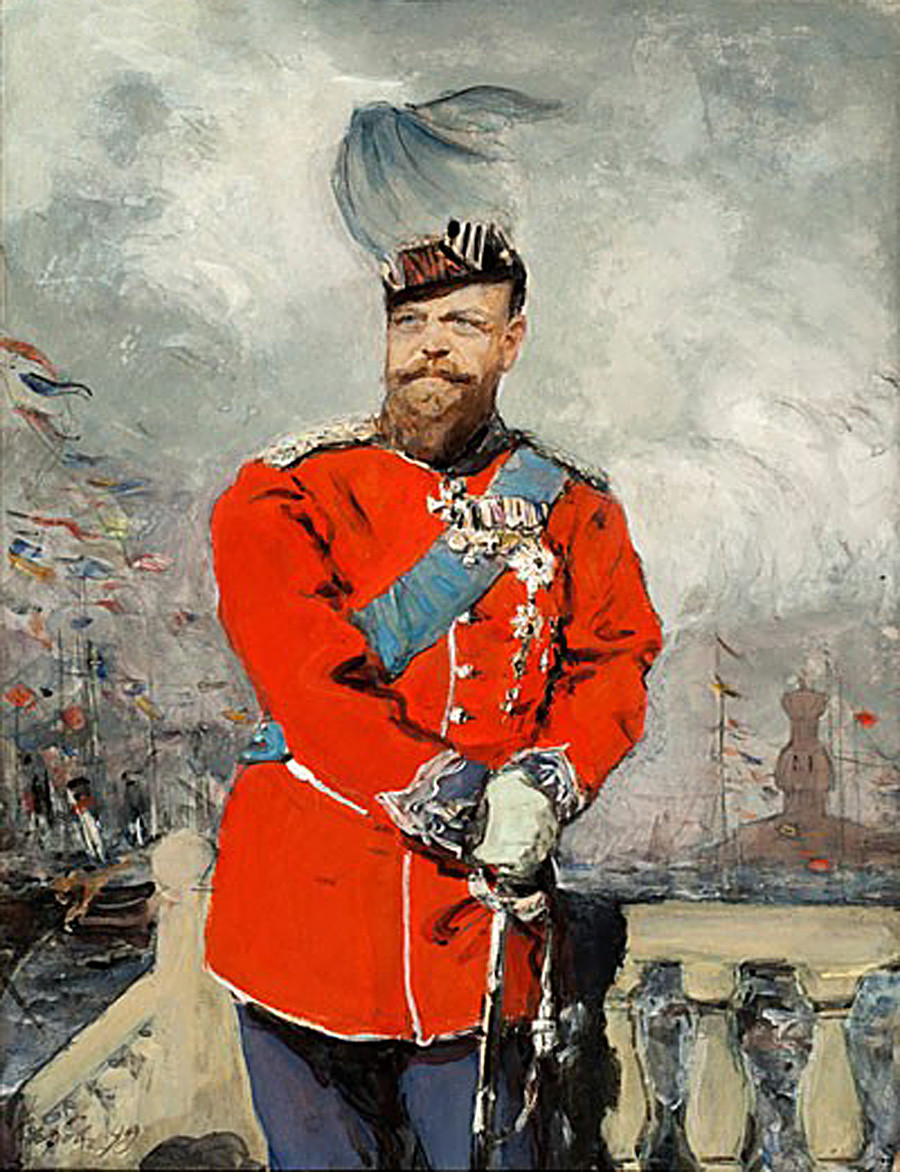
Portrait of Alexander III by Valentin Serov
Russian Museum
Alexander was a man with a big heart. He was a good family man and unpretentious in everyday life, often working late into the night. There is an old humorous story about his sense of humour: when a soldier named Oreshkin got drunk in a tavern and caused a scandal, people tried to calm him down. They pointed to a portrait of the tsar hanging on the wall and told him he should respect the royal presence. Oreshkin then rudely declared that he did not care about that tsar. Criminal proceedings were therefore brought against him, but when Alexander III heard about it, he released Oreshkin—saying that he did not care about the soldier either.
Nicholas II
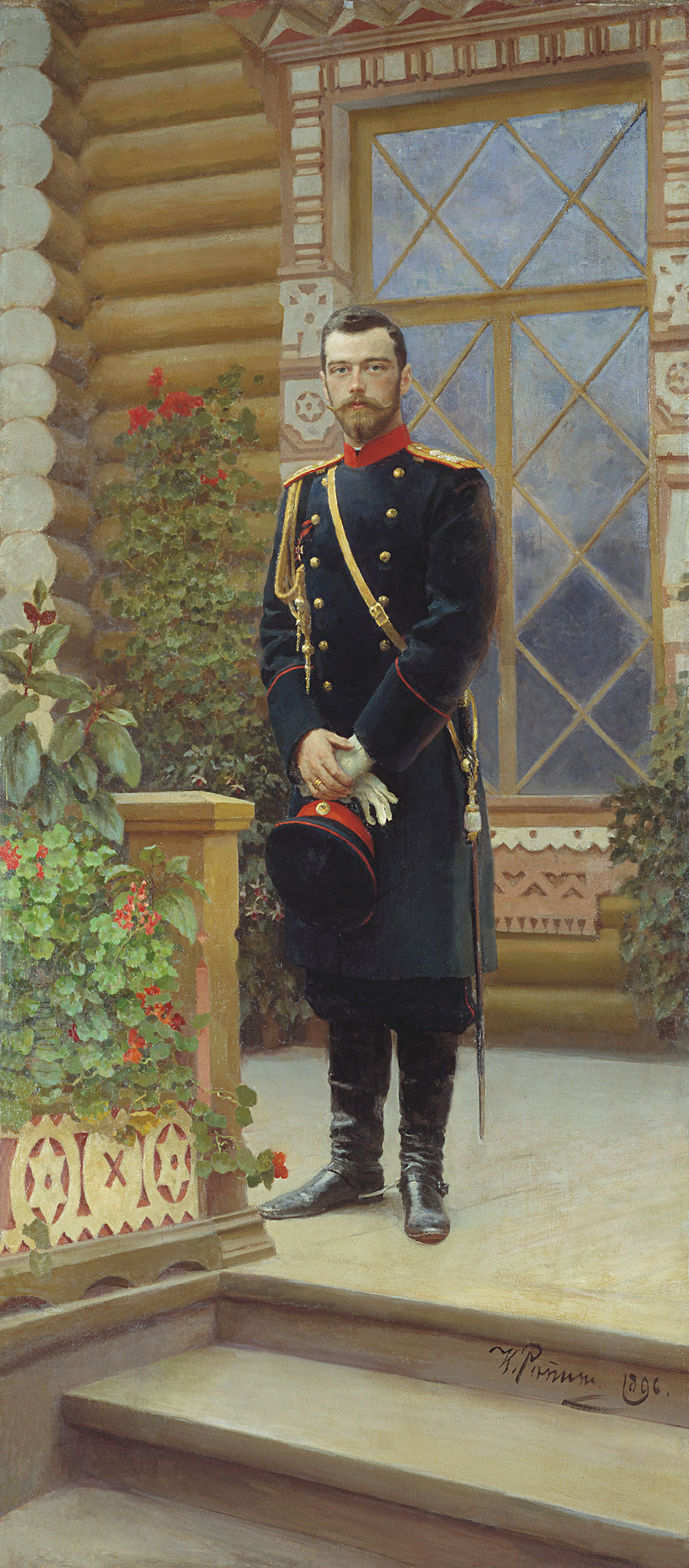
Portrait of Nicholas II by Ilya Repin
State Historical Museum of Moscow
Tragically known for being killed along with his entire family, the last tsar of Russia seemed to be a very pleasant person. He loved his wife Alexandra, was passionate about yachting, hunted wild birds, and occupied himself with other ordinary pursuits—he was not a man of power.
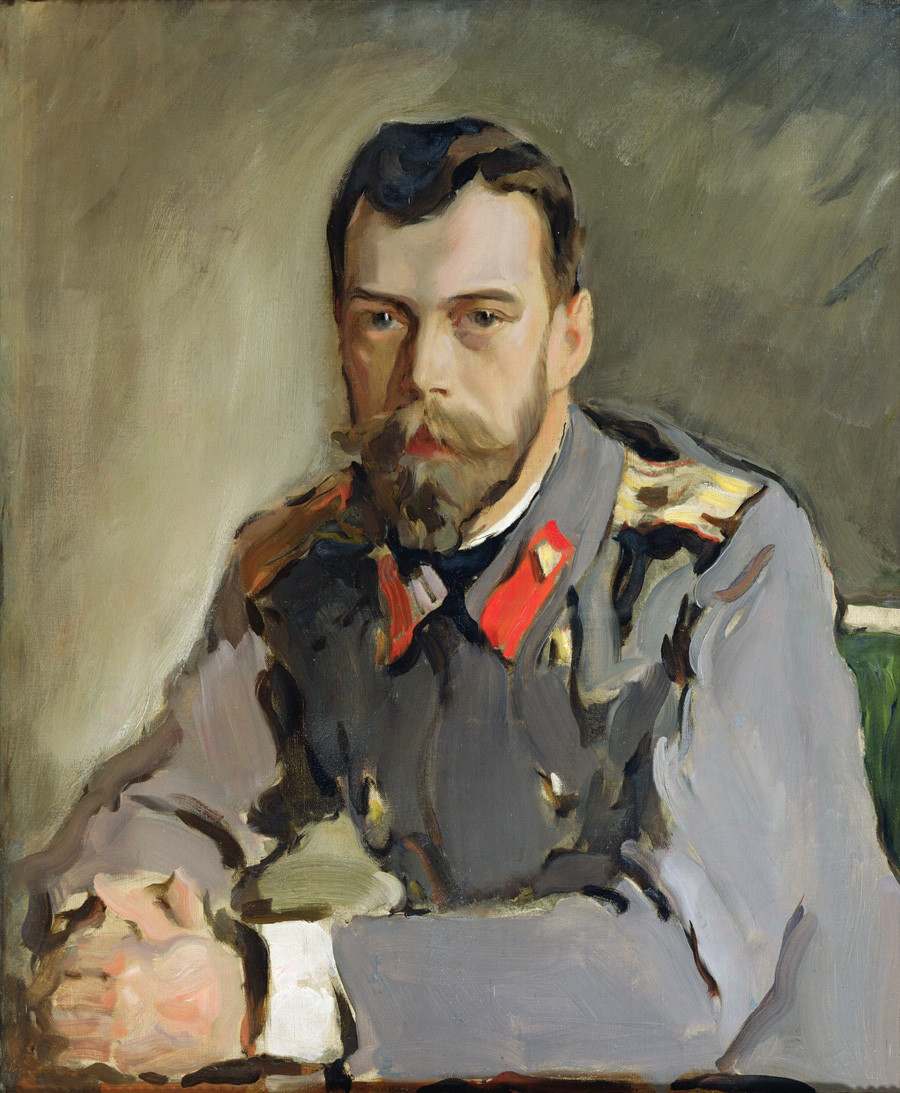
Portrait of Nicholas II by Valentin Serov
Tretyakov Gallery
The unfortunate fate of Nicholas earned him the nickname Nicholas the Bloody. A massive stampede that killed many people during his coronation celebration in Moscow, World War I, the Revolution, and the Civil War severely tarnished his reputation.
Source: https://fr.rbth.com