
Why do we paint eggs?
In Christianity, the egg has a strong symbolic value. It is the symbol of the Holy Sepulchre, the tomb of Christ found empty on Easter morning and which is said to contain eternal life. The fact is that at that time, in Palestine, tombs were built in caves, the entrances of which were sealed with a stone. One version of the story says that the stone sealing the entrance to Jesus’ tomb strangely resembled an egg. The Messiah’s tomb, much like the egg, thus appears dead and inert from the outside, but contains new life. Consequently, Easter eggs represent the resurrection of Jesus. They are often decorated in a deep red hue, associated with the blood and suffering of Christ.
Read also: How to decorate eggs for Easter (Infographic)
According to Orthodox tradition, Mary Magdalene, a disciple of Jesus, is said to have offered an egg to the Roman Emperor Tiberius and to have been the first to inform him of Christ’s resurrection. At first, her interlocutor did not believe her, but in response to his scepticism the egg is said to have turned red, as if to attest to the truth of the miracle.
However, other facts point to a more practical explanation for the tradition of Easter eggs. Indeed, during Lent, the Church forbade the consumption of eggs (and other foods of animal origin). Thus, to avoid wasting the large number of eggs that accumulated, they were boiled. As a result, to distinguish hard-boiled eggs from raw eggs, they were painted.
How did ancient Slavic populations paint their eggs?
Eggs decorated in a single color were called krasenka (from the verb to color). Generally, to create this type of egg, people used onion skins. This allowed them to obtain a reddish-brown or deep orange color.
Read also: The Easter egg revisited by contemporary artists
Eggs decorated with patterns made using wax were called pisanka (from the verb “to write,” “to inscribe”). Pisankas were raw eggs and were not intended for consumption. Once decorated, they were emptied.
Eggs can be decorated in several ways: you may use food colouring or special stickers. Here, we will focus on everyday products and therefore share tips for dyeing your eggs with onion, coffee, and beetroot.
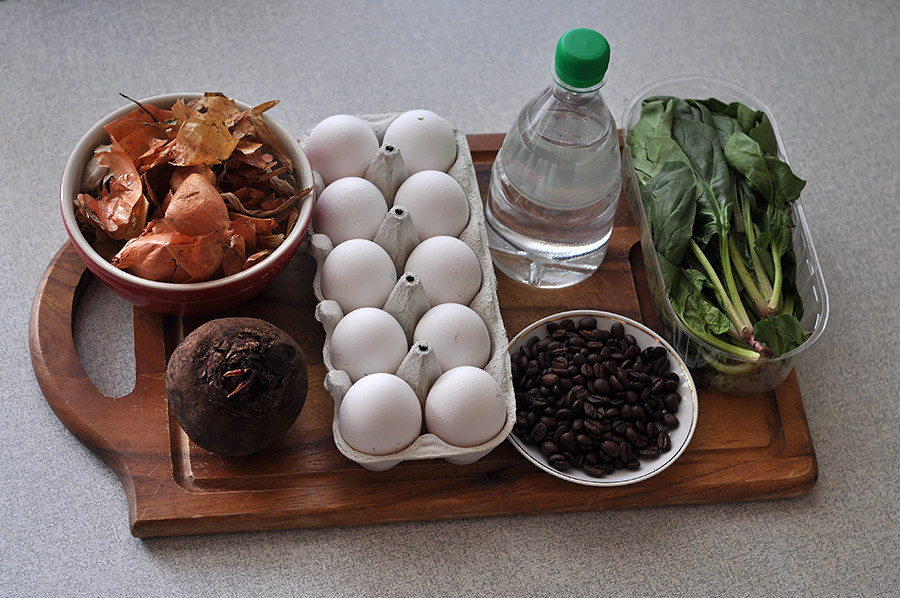
To begin, it is preferable to choose white-shelled eggs. Then, before cooking them, it is recommended to let them warm up for about an hour. Then, before immersing them in the various solutions presented below, it is necessary to let them cool to room temperature.
Onion skins for a reddish-brown

Read also: Kokourkis: what to do with painted Easter eggs according to Russian culinary tradition?
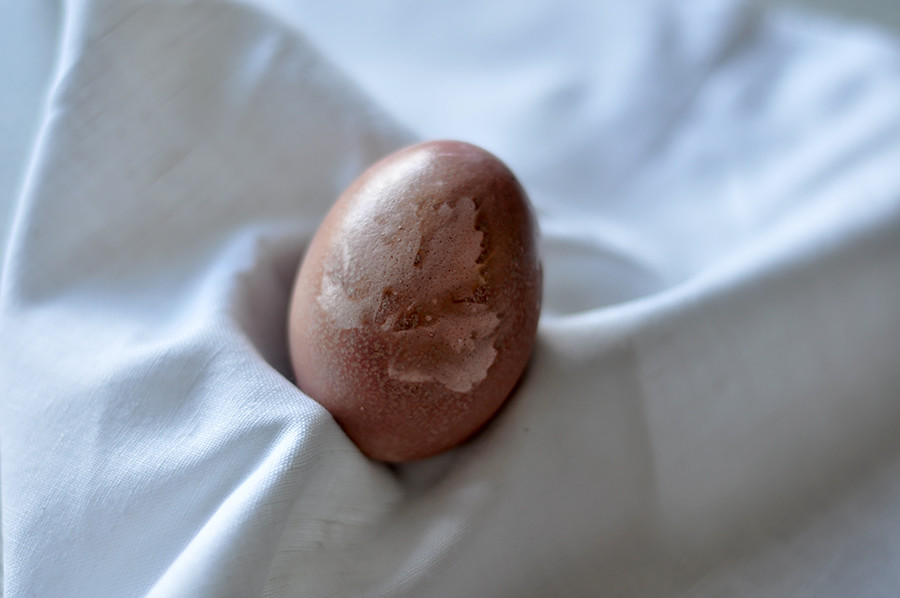
To give your eggs the traditional reddish-brown hue, use onion skins. Place the skins of 10 onions (the equivalent of about 2 full glasses) in a saucepan, add one liter of water, bring to a boil, and simmer for 15 to 30 minutes (the longer the onions cook, the darker the resulting color will be). Let the preparation cool, then add your raw eggs and boil them in the mixture for about ten minutes. The longer the eggs remain in the mixture, the more intense their color will be. By using red onion skins, the eggs will take on a purple hue. This ingredient allows for a dark decoration, and the eggs obtained through this method are simply magnificent.
Beetroot for a light purple

Coarsely grate a beetroot into a saucepan and add water. Bring to a boil and simmer for 10 to 15 minutes. Remove the saucepan from the heat and let the preparation cool. Then, add 1 cl of vinegar and filter the mixture using a sieve. Finally, place the eggs in the solution and leave them there for 1.5 to 2 hours.
Read also: How do Orthodox Christians celebrate Easter?
Coffee for a light brown
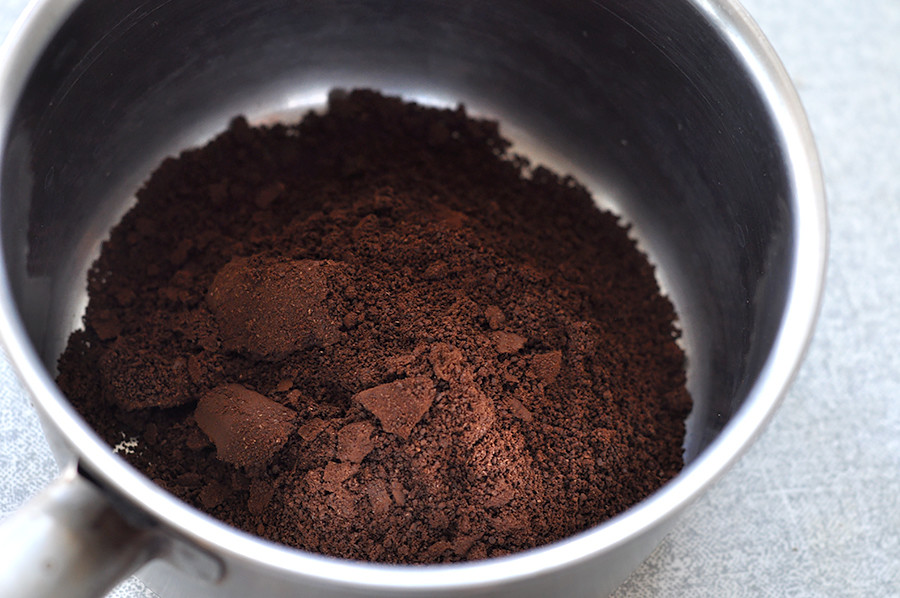
In a saucepan, pour 8 tablespoons of ground black coffee and two cups of water. Bring the mixture to a boil, then let it cool. Next, add the raw eggs and simmer for 10 to 15 minutes. Remove the saucepan from the heat and let the eggs rest for about an hour.
Spinach for a light green
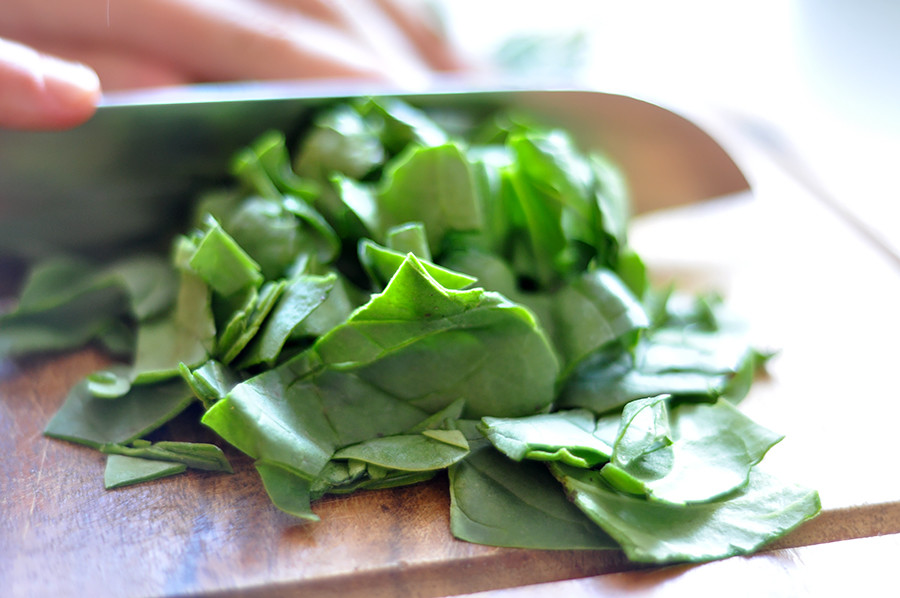
In a saucepan, place a certain amount of spinach and pour in twice that amount of water (for example, to dye one egg you need: 100 grams of spinach and 1 cup of water), then bring everything to the boil.
Cook the spinach until the water turns green. Then remove the saucepan from the heat, strain the mixture, and let it cool for a few moments. Next, add the eggs.

To ensure the color is of better quality and lasts longer, add 2 tablespoons of vinegar to the preparation.
Read also: Easter as seen from Russia and the West
What other colors can be obtained from natural products?
- yellow – corn, saffron
- orange – paprika
- sky blue – red cabbage
- midnight blue – wine
How to create a pattern on your egg
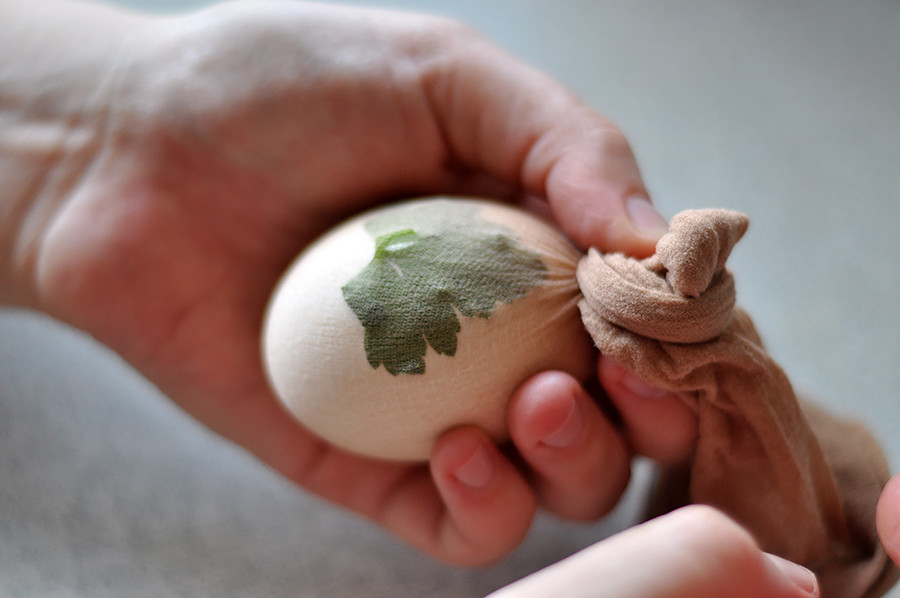
1. To create leaf patterns, you can use any herb, such as cilantro, basil, or parsley. Dip the egg in water, then apply the herb to its shell. Next, slide the egg into a mesh fabric or a stocking and boil it.
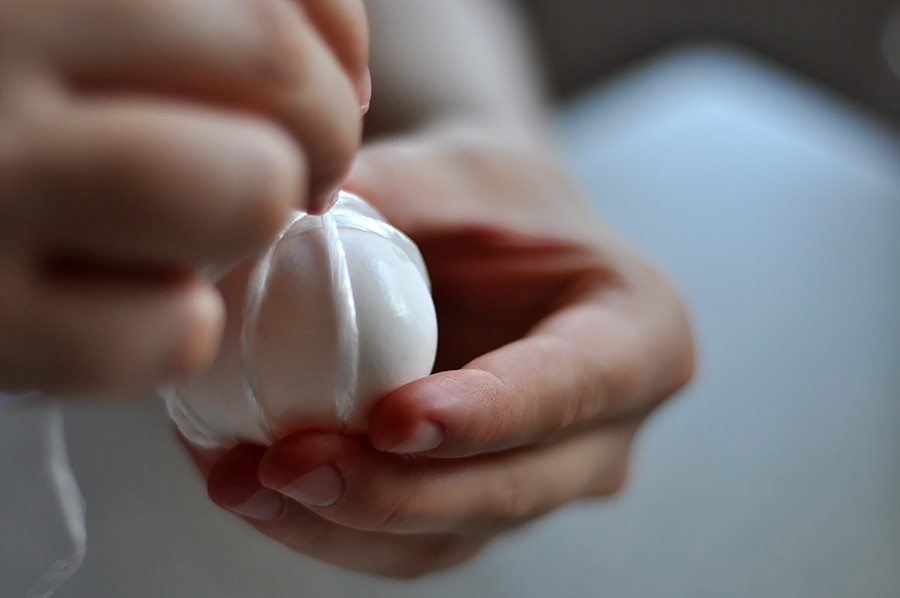
2. For a striped pattern, wrap the egg with string or rubber bands, then boil it.
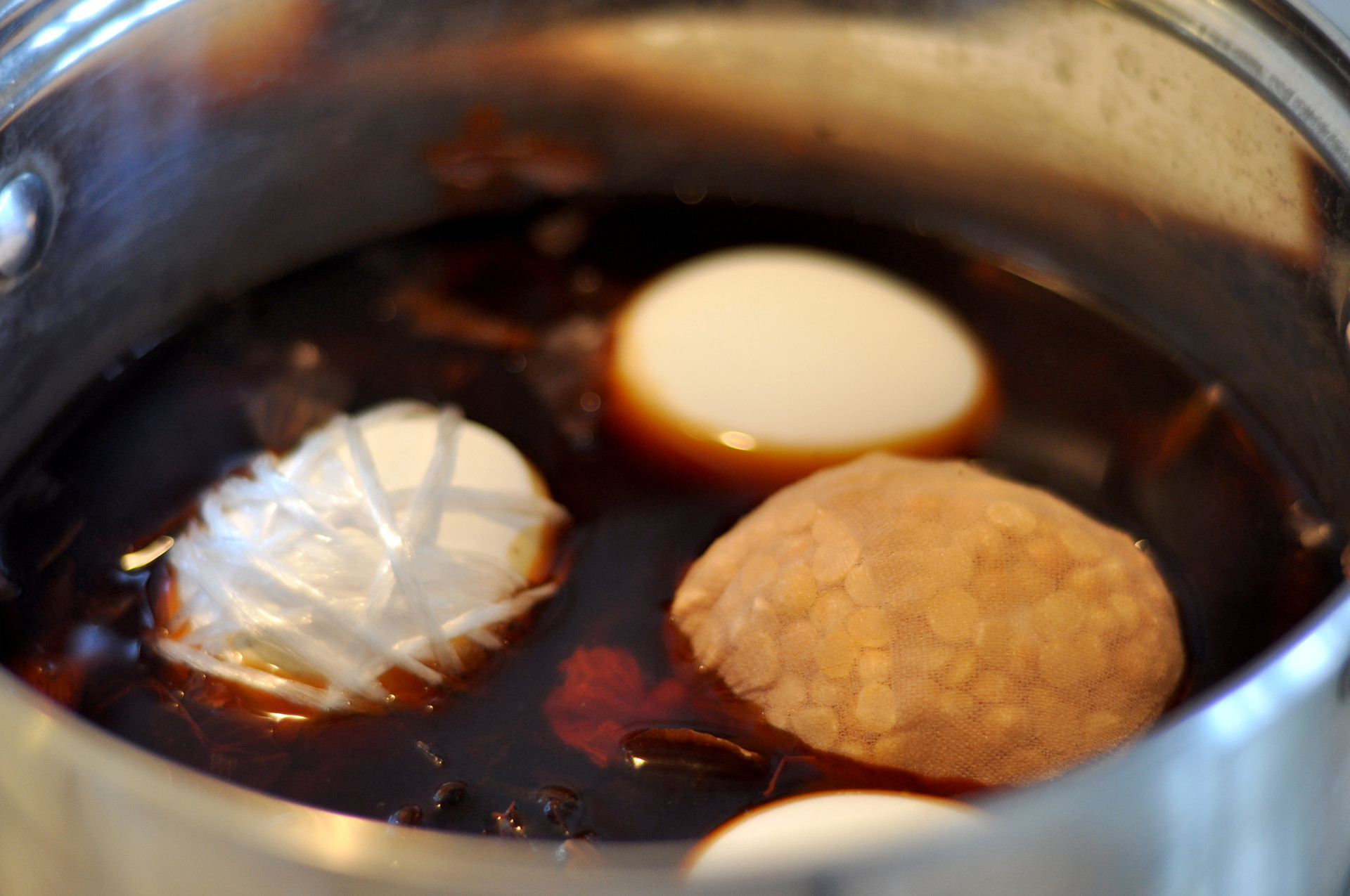
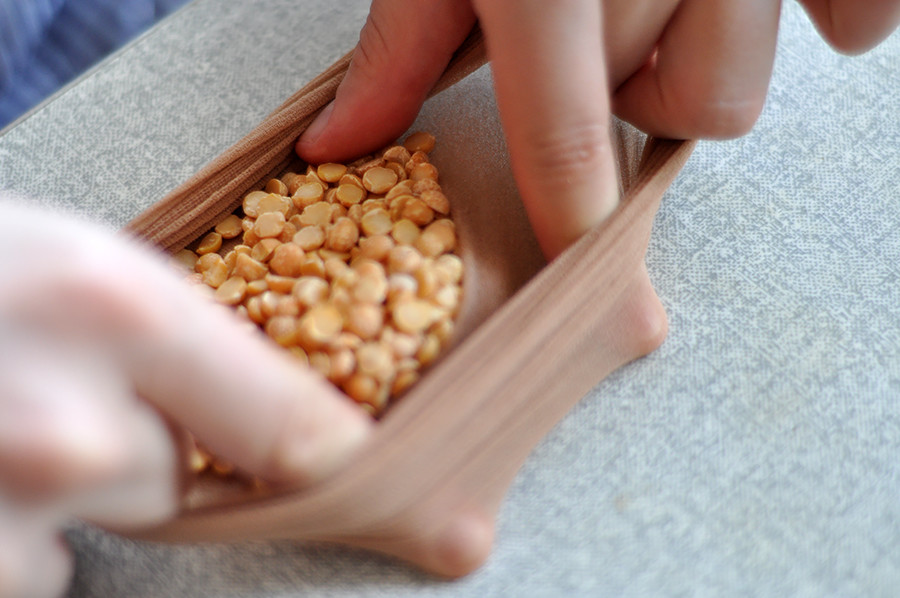
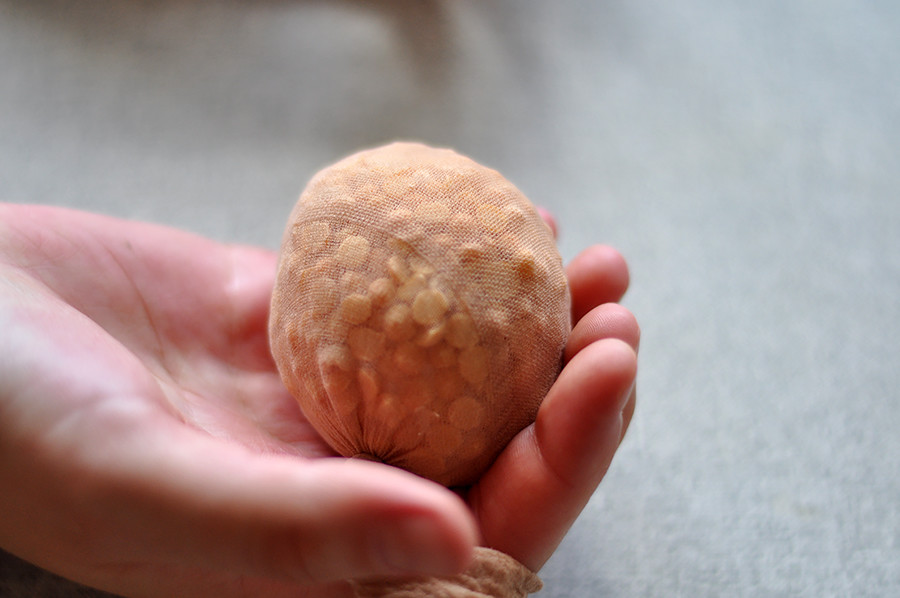
3. For a polka-dot pattern, slide the egg into a mesh fabric or a stocking with rice or dried peas, then boil it.
4. To give your decorated eggs shine and brilliance, simply coat them with oil.

Discover here the testimonies of Russians sharing their vision of the Easter holiday.
Source: https://fr.rbth.com