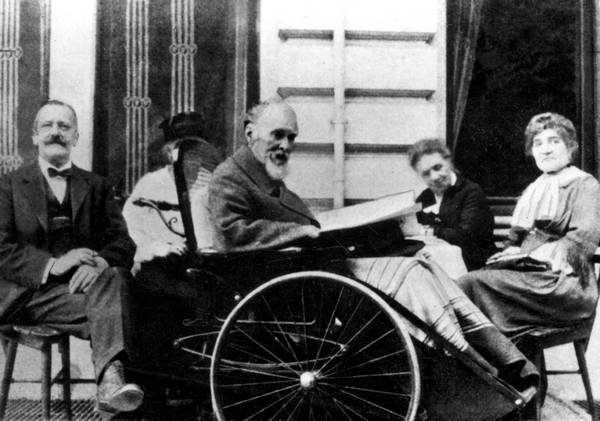
Carl Fabergé began working in the business in 1864 (or 1865). He became head of his father’s firm in 1872.
He supplied the Imperial Court from May 1, 1885. From 1890, he appraised jewelry and crafted objects for His Imperial Majesty’s Cabinet. He was a merchant of the 1st Guild.
He became Jeweler to the Court in 1910 and Manufacturing Adviser on January 1, 1910.
After the 1882 All-Russia Exhibition of Industrial Arts, Carl Fabergé received a gold medal and the ribbon of St. Stanislaus for “zealous industry” and art.
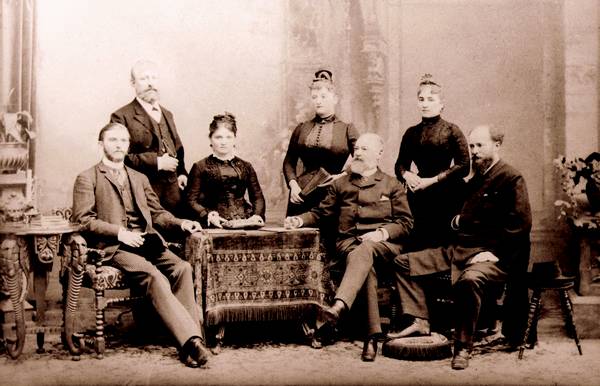
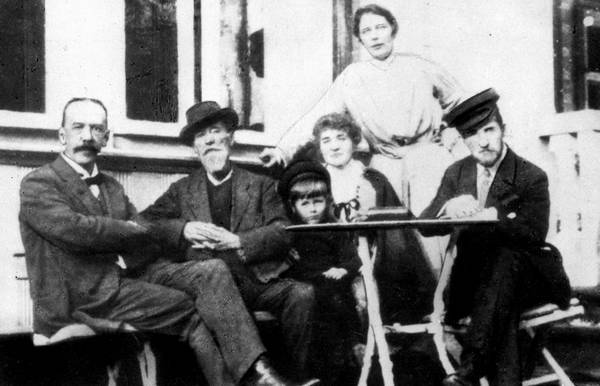
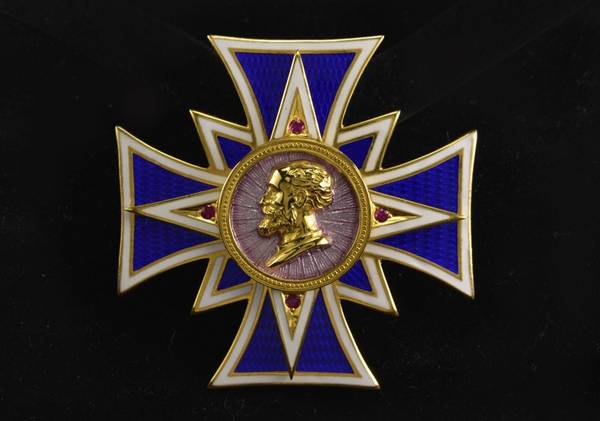
He then received the Order of St. Stanislaus, 2nd Class, in 1896 for fulfilling orders for the coronation. He received the Orders of St. Stanislaus, 3rd Class (1889), after his exhibition in Copenhagen in 1888, and of St. Anne, 3rd Class (1892).
Carl Fabergé was also awarded the French Order of the Legion of Honour for his participation on the jury of the 1900 Paris Exposition, as well as the Bulgarian Commander’s Cross and the Order of Civil Merit for outstanding public service in 1902.
He produced works for the kings of Sweden and Norway and the British royal family. He was also the official jeweler and enameler to the King of Siam.
His firm supplied its objects to virtually all the imperial and royal houses of Europe, Asia, and Africa.
The firm was converted into a company in May 1916, on the occasion of Carl Fabergé’s 70th birthday.
The company had a base capital of 3 million rubles, with a shop in Moscow in 1887.
He opened the Moscow factory in 1900. Carl Fabergé founded the Odessa branch, which was active until 1918, with a shop (1900) and a workshop (1903). He ran the Kiev branch from 1905 to 1911 (shop and workshop).
The London branch opened in 1903. It was managed by Allan Bowe, then from 1906 by H. C. Bainbridge and Nikolai Carlovich Fabergé. The firm had a stand at the Nizhny Novgorod fair for 40 days a year.
From late 1900, the “main shop,” offices, and principal workshops were located in the firm’s building at 24 Bolshaya Morskaya Street, referred to simply as Morskaya after 1902. Under Carl Fabergé’s leadership, the firm distinguished itself at the following exhibitions:
Moscow (1882)
Nuremberg (1885)
Copenhagen (1888)
Stockholm (1897)
Paris World’s Fair (1900).
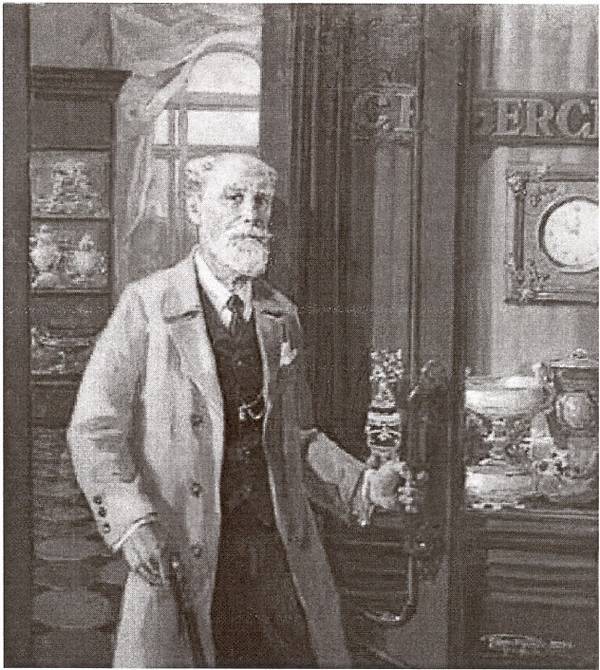
Fabergé’s staff numbered about 20 employees in 1882, 455 employees and 31 apprentices in 1896, and more than 600 workers after 1910.
Peter Carl Fabergé was described in 1892 in the “St. Petersburg Merchants’ Directory” as follows:
“46 years old, hereditary honorary citizen and knight, Lutheran, educated at home.
A merchant since 1872. Home address: 16 Bolshaya Morskaya.
Owner of a diamond, gold, and silver shop at the same address.
His wife: Augusta-Julia, and their sons: Evgeny-Gottlieb, aged 17; Agathon-Theodor, 15; Alexander-Julius, 14; and Nikolai-Leopold, 7.”
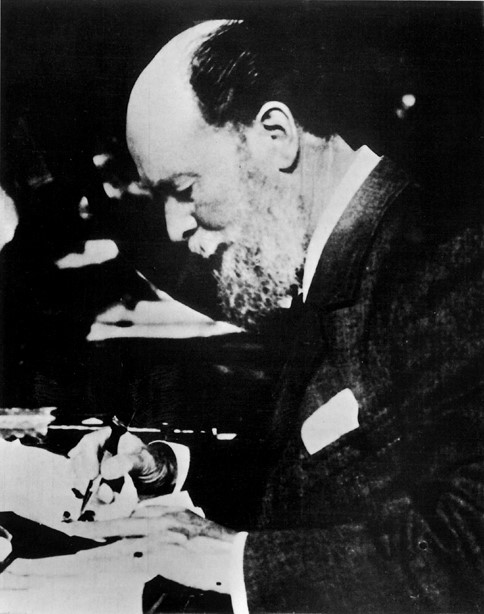
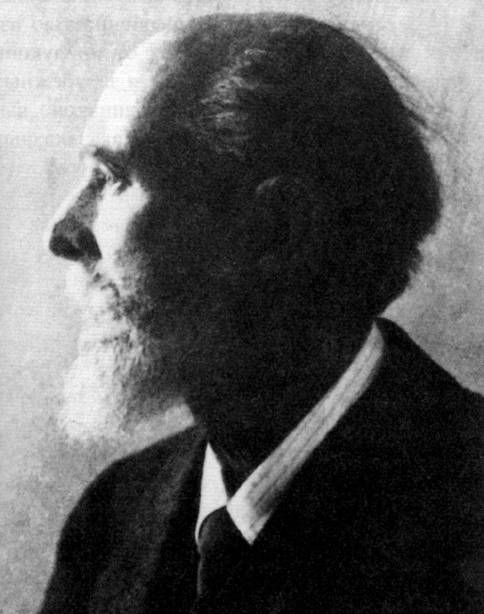
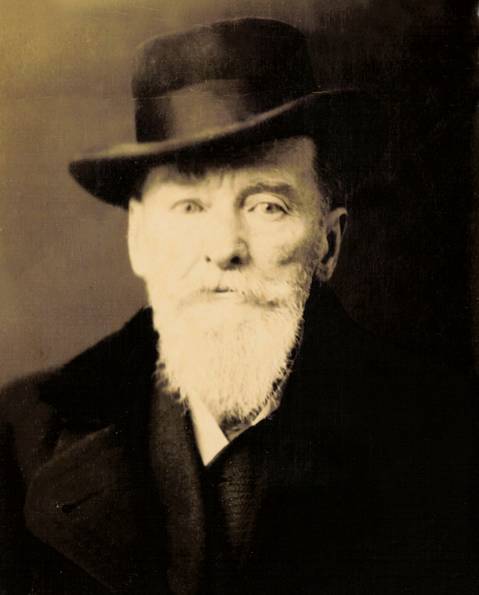
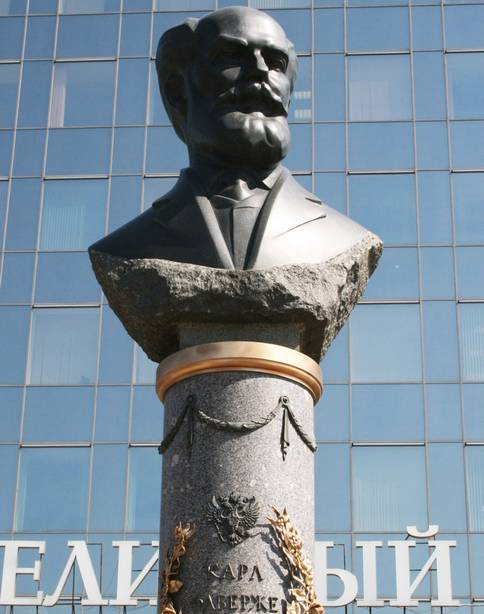
Carl Fabergé personally ran his business until 1916. His rather autocratic management style had to be reconsidered at the beginning of the First World War.
For the first time, he had to change his business strategy. Mobilization emptied the workshops of most of the craftsmen who had made the Fabergé name famous. Normal production was no longer possible.
Carl Fabergé began producing goods for the Imperial Army. In this way, he combined Russian patriotism with commercial interests.
In 1916, as business slowed, his associate Bainbridge in London accused him of spying for the Germans. That same year, Carl Fabergé decided to create a joint-stock company.
Crushed by Bolshevik taxes, he decided to liquidate his company on January 6, 1918.
He realized that he had to leave Russia. He took the opportunity to depart Petrograd by diplomatic train bound for Riga.
As civil war between the White Russians and the Bolsheviks was imminent and threatened the Baltic states, Carl Fabergé went to Germany.
He first settled in Bad Homburg, near Frankfurt. He then
moved to Wiesbaden, a German spa resort frequented by many Russian exiles.
At his wife’s request (she had left Russia for Finland with their son Eugene), he joined her in Pully, near Lausanne (Switzerland).
It was there that he died on September 24, 1920. His ashes were later transferred to Cannes (France) and placed in his wife’s grave.